
Plants
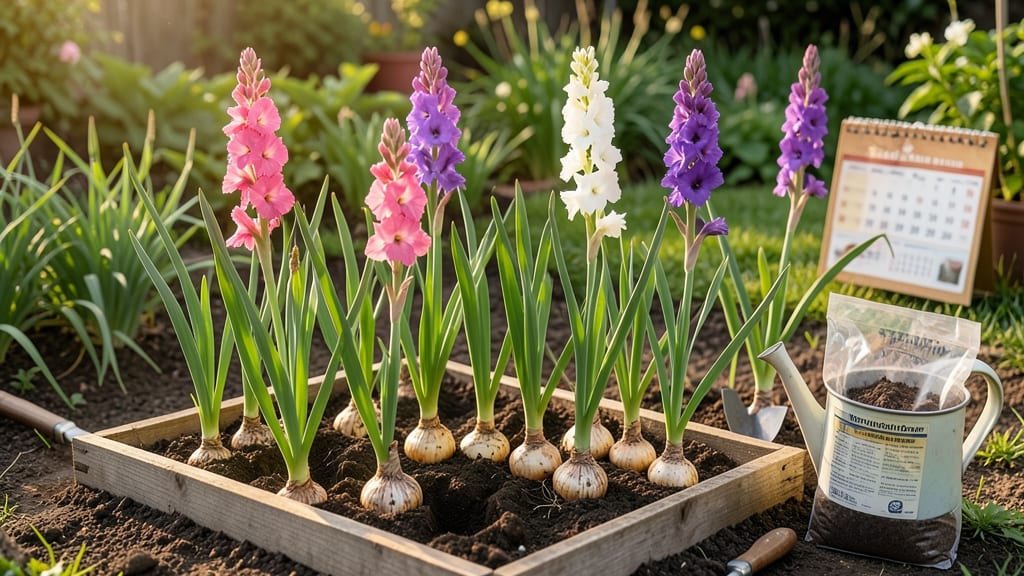
Timing your gladiolus bulb planting in Pennsylvania can feel like a guessing game—especially when spring weather swings between frost and sunshine. But getting those corms in the ground at the right moment means bold summer blooms that’ll turn heads from May to September.
Most Pennsylvania gardeners wait until late spring to early summer (May-June), when soil temperatures consistently stay above 55°F. This ensures your 🌸 gladiolus corms won’t rot in cold, damp soil, giving them the best shot at thriving in zones 5b-7a.
Here’s the secret: Planting too early risks frost damage, while waiting too long might mean missed blooms. I’ll break down the exact window for your region—plus pro tips to keep those towering stems sturdy through Pennsylvania’s humid summers.
Ready to grow gladiolas that stand taller than your fence? Let’s dive into the perfect planting schedule so you can enjoy vibrant blooms from August through fall.
Pennsylvania planting zones and gladiolus bulb timing guide
Pennsylvania’s USDA zones 5b through 7a create a diverse climate where gladiolus bulbs (corms) thrive when planted at the right time. The key is avoiding late spring frosts while ensuring soil warms enough for root development.
In most of PA, this means late May to early June is your sweet spot—but let’s break it down by zone to avoid common mistakes.
For Zone 5b (western PA, including Pittsburgh), aim to plant after May 15 when soil temperatures consistently reach 60°F (15°C).
In Zone 6a (central PA, like Harrisburg), you can start as early as mid-May, while Zone 7a (southeastern PA, near Philadelphia) allows planting from late April to early May.
Why timing matters: Planting too early risks frost damage to tender shoots, while delaying until July may result in fall blooms instead of summer. Gladiolus need 90-120 days to mature, so your planting window directly controls when you’ll enjoy those bold, sword-shaped blooms.
| USDA Zone | Planting Window | Soil Temp Threshold | Bloom Time |
|---|---|---|---|
| 5b (Pittsburgh) | Late May - Early June | 60°F (15°C) | July - August |
| 6a (Harrisburg) | Mid-May - Late May | 55°F (13°C) | June - July |
| 7a (Philadelphia) | Late April - Early May | 50°F (10°C) | June - August |
🌱 Pro Tip: Use a soil thermometer to confirm readiness—gladiolus roots need warmth to establish!
PA’s microclimates add another layer of complexity. For example, mountainous regions (Zone 5b) may experience late frosts until June 1, while urban heat islands (like Philadelphia) can safely plant 2-3 weeks earlier.
Always check your local last frost date—aim to plant 6-8 weeks before your area’s first expected frost in fall.
Another critical factor is soil drainage. Gladiolus hate soggy roots, so amend heavy PA clay with compost or sand to prevent rot. In Zone 7a, where summers are hotter, prioritize well-draining soil to avoid fungal issues like botrytis blight, which thrives in humid conditions.
For container gardening in PA, start corms indoors in late April (Zone 7a) or early May (Zone 5b) using potting mix with perlite. Move pots outside only after nighttime temps stay above 55°F (13°C) to protect tender shoots.
Containers warm up faster, so you can plant 1-2 weeks earlier than in-ground beds.
Don’t overlook mulching—a 2-inch layer of straw or shredded leaves helps retain moisture and regulate soil temperature. In Zone 6a, where nights can still dip into the 40s°F (4°C) in early June, mulch acts as an insulator to protect emerging shoots.
Finally, choose early vs. late varieties based on your zone. Early bloomers (like ‘Green Star’) suit Zone 5b, while late-season types (such as ‘Black Pearl’) thrive in Zone 7a. Planting a mix extends your bloom season from June to September.
Timing your gladiolus planting in PA isn’t just about the calendar—it’s about reading your microclimate. Start with your USDA zone, confirm soil temps, and adjust for local conditions. With the right approach, you’ll enjoy stunning summer blooms that turn heads—and maybe even win local garden awards! 🌸
Pennsylvania planting zones and gladiolus bulb timing guide
Pennsylvania’s USDA zones 5b-7a create distinct planting windows for gladiolus bulbs, where timing directly impacts bloom success. The last spring frost typically occurs around April 15, but soil warmth is the real deciding factor—gladiolus corms need 55°F+ soil temperatures to thrive.
In Zone 5b (northwest PA), aim for late May planting to avoid late frosts. Zone 6a (central PA) can start as early as mid-May, while Zone 7a (southeast PA) gardeners enjoy a May-June window. Each zone’s 100-day growing season after planting determines bloom timing.
Here’s the key: Planting 6-8 weeks before your first fall frost (usually mid-October) ensures full-season blooms. For example, a June 1 planting in Zone 6a typically yields August-September flowers, while late June plantings may bloom later.
| Zone | Planting Window | Soil Temp Requirement | Bloom Period |
|---|---|---|---|
| 5b (NW PA) | Late May | 55°F+ | Late Aug-Sept |
| 6a (Central PA) | Mid-May to June | 55°F+ | Aug-Sept |
| 7a (SE PA) | May-June | 55°F+ | July-Sept |
Microclimates matter! Urban areas like Philadelphia (Zone 7a) can plant earlier than rural Poconos (Zone 5b). Use a soil thermometer to confirm readiness—corms planted in cold soil risk rot, while waiting for warmth ensures strong stems.
Pro tip: In Zone 6a, stagger plantings every 2 weeks from May to July for continuous blooms through September. This extends your garden’s color palette and compensates for Pennsylvania’s variable summer weather.
Remember, gladiolus corms are not winter-hardy—they’ll die in PA’s frosts. After blooming, let foliage yellow naturally before digging and storing corms in cool, dry conditions for next year’s plantings.