
Plants
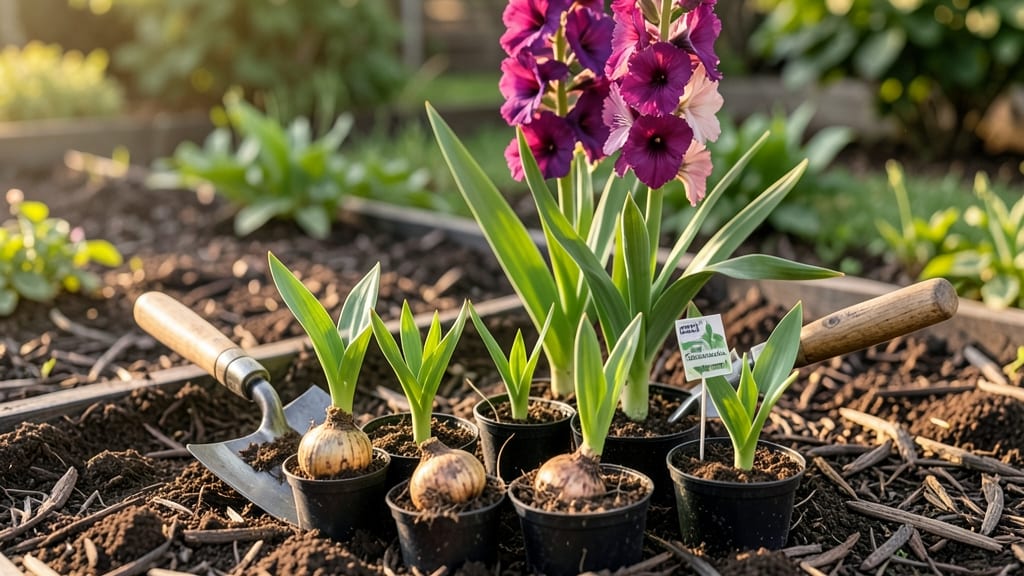
Timing your gladiolus planting in Maine isn’t just about the calendar—it’s about beating the frost and unlocking vibrant blooms by summer. With Maine’s 5b-6b climate, waiting too long risks stunted growth, while planting too early can fry tender corms in unexpected freezes.
The sweet spot? Late April to early June, but your exact window depends on your county’s last frost date.
Think of gladiolus 🌸 as Maine’s high-stakes garden drama—they demand precision. Miss the mark, and you’ll either watch them wilt in a late frost or struggle to mature before fall’s chill sets in.
The good news? A little prep work—like testing soil warmth and choosing the right varieties—can turn your garden into a blooming success even with Maine’s fickle weather.
Here’s the game-changer: I’ll break down when to plant by county, plus pro tips for adjusting timing based on your microclimate. Whether you’re in frost-prone Aroostook or coastal York, you’ll learn how to stretch your growing season and pick varieties that thrive in Maine’s short but sweet summer.
Ready to transform your garden? Let’s dive into the frost-date cheat sheet that’ll have your gladiolus standing tall and proud—no matter where in Maine you call home.
Maine gladiolus planting calendar: frost dates by county
Maine’s gladiolus planting success hinges on understanding your county’s last frost date. Northern counties like Aroostook often see frost-free soil by late May, while coastal York County may wait until early June. Always plant after soil reaches 60°F—cold soil stunts root growth and delays blooms.
Use USDA Zone 5b-6b as a baseline, but local microclimates matter more. For example, Acadia National Park’s coastal areas warm faster than inland Bangor, creating a 2-3 week planting window difference. Check your county’s 30-year frost averages from the National Weather Service for precision.
Gladiolus corms need 6-8 weeks of warm soil to establish roots before Maine’s first fall frost (mid-October). Planting too early risks rot from cool, wet soil, while late planting may mean missed blooms before frost. Aim for a July-September flowering window by aligning your planting with these county-specific targets.
🌱
| County | Avg. Last Frost | Planting Window | Soil Temp Threshold | Bloom Time |
|---|---|---|---|---|
| Aroostook | May 20-25 | May 25 - June 5 | 60°F+ | July 15 - Aug 10 |
| Penobscot | May 15-20 | May 20 - June 2 | 60°F+ | July 10 - Aug 5 |
| Piscataquis | May 18-23 | May 23 - May 30 | 60°F+ | July 12 - Aug 8 |
| York | June 1-5 | June 5 - June 12 | 60°F+ | Aug 1 - Aug 20 |
| Cumberland | May 25-30 | May 30 - June 5 | 60°F+ | July 25 - Aug 15 |
🌡️ Pro Tip: Use a soil thermometer to confirm readiness—60°F is non-negotiable for gladiolus roots!
For coastal Maine (e.g., Bar Harbor or Portland), ocean breezes can delay soil warming by 1-2 weeks. Monitor your garden’s microclimate: south-facing beds warm faster than north exposures. If your county’s frost date is late May, consider early varieties like ‘Early Sensation’ (blooms in 90 days).
Inland areas like Augusta or Waterville often see earlier frost-free soil due to less maritime influence. Here, prioritize late varieties like ‘Green Point’ to extend your blooming season until early September. Always plant 6 inches deep—this protects corms from temperature fluctuations near the surface.
Maine’s short growing season (only 165 frost-free days) demands precision. If you’re in Zone 5b (northern Maine), plant early varieties by May 15 to avoid late-season frosts cutting
How to adjust planting time for Maine’s microclimates
Maine’s coastal and inland regions experience wildly different frost patterns, so your gladiolus planting timing should adapt. Coastal areas like York or Cumberland often see later last frosts—sometimes as late as May 15—while inland zones like Aroostook can plant as early as late April.
Understanding these microclimates helps you avoid late-season blooms or frost-damaged corms.
For coastal gardeners, use row covers or cold frames to extend the season another 2-3 weeks if planting early. Inland areas can push planting to mid-May for varieties with shorter bloom cycles. The key is matching your gladiolus variety to your local frost-free window—typically 165 days in Maine.
🌱
Plant May 10-20 after last frost (avg. May 15). Use row covers for early starts.
Plant May 1-10 when soil hits 60°F. Choose early-blooming varieties.
Plant late April-early May. Opt for cold-hardy cultivars like 'White Friendship'.
Wait until May 15+ due to later frosts. Use black plastic mulch to warm soil.
Another trick is selecting early- vs. late-season varieties. Early bloomers like 'Pink Parfait' (90 days to bloom) work for inland plantings, while late varieties like 'Black Star' (120+ days) suit coastal gardens. Always check your USDA Zone 5b-6b and local frost records—Maine’s 10-year averages can shift yearly.
If you’re unsure about your last frost date, plant test corms in a protected microclimate (like near a south-facing wall) 2 weeks early. This gives you a 30-day buffer to adjust if frost strikes. For container gardening, use heat mats to extend the season by 4-6 weeks.
Remember: Gladiolus corms won’t tolerate frost, so never plant before soil temperatures hit 60°F. Use a soil thermometer—this simple tool prevents costly mistakes. With these adjustments, you’ll enjoy vibrant blooms from July through September, regardless of Maine’s whims.
☀️