
Plants
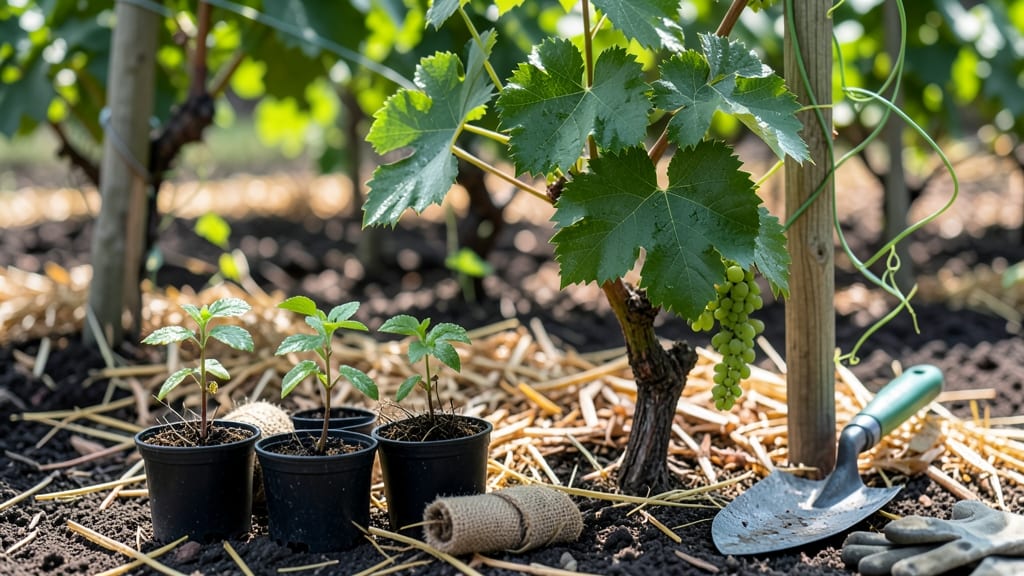
Timing your 🍇 grape planting in Arizona (AZ) isn’t just about following a calendar—it’s about outsmarting the desert’s brutal heat. Plant too early, and your young vines risk scorching before they’ve even taken root. Too late, and they’ll struggle to establish before summer’s relentless sun hits.
In USDA Zone 9b, the sweet spot for planting grapes is between November and February, when cooler temperatures give vines the best chance to grow strong roots.
This window isn’t just a suggestion—it’s the key to avoiding transplant shock and ensuring your vines thrive when the real heat arrives.
But here’s the catch: not all grapes are created equal. Wine grapes, table grapes, and even muscadines have different needs, and Arizona’s microclimates—from Phoenix’s low desert to Flagstaff’s high desert—demand tailored approaches. I’ll break down exactly when to plant each type and how to prep your soil for success.
Ready to skip the guesswork and plant with confidence? Let’s dive into the heat-zone deadlines that’ll turn your grape vines from struggling survivors into flourishing powerhouses.
Optimal grapes planting deadlines by Arizona heat zone
Arizona’s diverse heat zones create unique challenges for grape growers. The Low Desert (Phoenix, Yuma) has extreme summer heat, while the High Desert (Flagstaff) experiences cooler nights and occasional frost. Timing your planting right ensures your vines establish roots before the scorching 110°F+ temperatures arrive.
For table grapes and wine grapes, the ideal window spans from late November to February. This period allows vines to root before Arizona’s brutal summer heat.
In the Mid Desert (Tucson, Prescott), you can extend planting slightly into early March, but avoid late spring plantings—young vines won’t survive the heat.
Muscadines, a heat-tolerant variety, can handle slightly later plantings in March, but even they need established roots before summer. The key is to plant when soil temperatures stay below 80°F—a critical threshold for root development.
Here’s how the deadlines break down by Arizona’s three primary zones:
| Zone | Best Planting Window | Last Frost Risk | Heat Acclimation Period |
|---|---|---|---|
| Low Desert (Phoenix, Yuma) | November 15 – January 31 | January 15 (rare) | February–March (gradual sun exposure) |
| Mid Desert (Tucson, Prescott) | October 30 – March 10 | December 1 (occasional) | March–April (shade cloth for young vines) |
| High Desert (Flagstaff, Sedona) | March 15 – April 30 | November 15 (frost risk) | May–June (cooler temps ease stress) |
If you miss the ideal window, fall planting in October is your next best option, but only in the Mid and High Desert. Vines planted this late may need extra mulch and drip irrigation to survive winter.
Avoid planting in April or later—the heat will shock young roots, leading to poor establishment.
For container-grown grapes, adjust your timeline by 2–4 weeks earlier since pots dry out faster and roots struggle in extreme heat. Use 5-gallon containers with grape-specific soil mixes to improve drainage and heat tolerance.
Pro tip: Check your local Cooperative Extension Service for microclimate-specific advice. Urban areas like Phoenix can be 10°F hotter than rural zones just 20 miles away. Planting too early in these hotspots risks root rot from inconsistent watering.
Once planted, protect young vines with 30–50% shade cloth during the first 4–6 weeks of summer. This gradual heat acclimation prevents sunburn and improves survival rates. Pair this with deep watering every 5–7 days to keep roots moist but not soggy.
🌱
How to prepare grapes for Arizona’s extreme heat before planting
Arizona’s 110°F+ summers aren’t just challenging—they’re downright hostile to young grape vines. But with the right prep work, you can give your plants the fighting chance they need to survive and thrive.
The key is soil prep, shade acclimation, and strategic watering before ever sticking that first vine in the ground.
I’ve learned the hard way that skipping these steps means watching your $50 grapevine turn into a crispy $0 science experiment by July. Let’s fix that. Start by testing your soil’s drainage and pH.
Grapes hate soggy roots, and Arizona’s clay-heavy soils can trap moisture like a sponge in a sauna. Aim for a 6.0-7.0 pH and amend with compost or sand if needed.
Next, focus on rootstock selection. Not all grapes are equal in heat tolerance. Varieties like ‘Thompson Seedless’ (table grapes) and ‘Cabernet Sauvignon’ (wine grapes) handle Arizona’s heat better than delicate European types. For extra insurance, graft your chosen variety onto a heat-tolerant rootstock like ‘110 Richter’ or ‘Freedom.’