
Plants
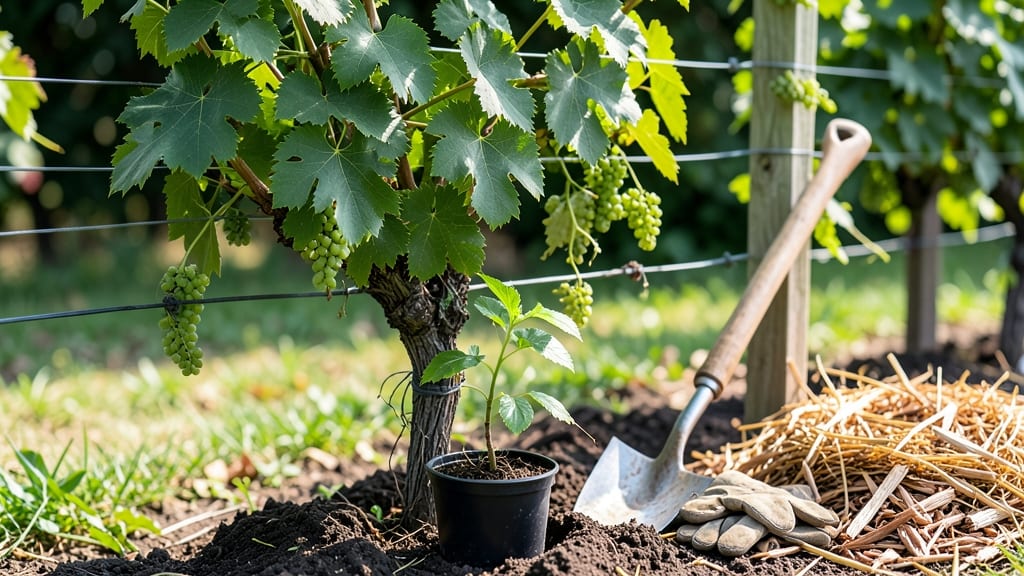
Planting grapes in California at the wrong time could mean the difference between a thriving 🍇 vineyard and a sad, frost-bitten disappointment. The state’s diverse microclimates—from coastal chill to inland heat—make timing everything, especially when balancing soil warmth and frost-free deadlines.
If you’re in USDA Zones 8-11, you’ll need a different strategy depending on whether you’re in frost-prone inland areas (like the Central Valley) or mild coastal regions (like Sonoma).
For most gardeners, late winter to early spring is ideal, but coastal growers in Zone 10-11 can plant year-round. Let’s break down the exact windows for your region.
Soil temperature is your best friend here—wait until the ground warms to 50–60°F before planting bare-root vines. Meanwhile, container-grown grapes offer more flexibility, letting you adjust timing based on weather forecasts.
I’ll walk you through how to read frost dates, pick the right month, and set your vines up for success.
Ready to avoid common mistakes like planting too early or ignoring drainage? You’ll also learn how to prep your soil, choose the best site, and keep your grapes thriving through California’s unpredictable seasons. Let’s get those vines in the ground the right way.
California grape planting deadlines by region: frost-free zones & soil warmth rules
California’s diverse climate means your grapevine planting window can stretch from late winter to early spring in cold inland areas or even year-round in frost-free coastal zones. The key is soil temperature—wait until the ground warms to 50–60°F—and knowing your last frost date.
In Zone 8 (Central Valley), aim for March–April, while Zone 10–11 (coastal) allows planting in November–February.
Regional differences are critical: Northern California (Sonoma, Napa) has later frost risks, while Southern California (Coachella, Temecula) rarely sees frost. Even within regions, elevation matters—mountain foothills freeze earlier than valleys. Always check USDA zone maps and local agricultural calendars for precise deadlines.
For bare-root vines, plant as soon as soil is workable (50°F), but avoid container-grown vines in winter—cold roots struggle even if tops look healthy. In Zone 9 (e.g., Los Angeles), you can plant year-round, but spring (March–April) is ideal for fastest establishment.
🌱 California Grape Planting Deadlines by Region
| Region | USDA Zone | Last Frost Date | Ideal Planting Window | Soil Temp Threshold |
|---|---|---|---|---|
| Northern CA (Sonoma, Napa) | 8-9 | January 15–March 1 | March–April | 50–55°F |
| Central Valley (San Joaquin) | 9-10 | December 1–January 15 | February–April | 55–60°F |
| Southern CA (Coachella, Temecula) | 10-11 | None (frost-free) | Year-round (best: Nov–Feb) | 60–65°F |
| Coastal (Santa Barbara, Monterey) | 9-10 | Rare (Dec–Jan) | February–April | 55–60°F |
💡 Pro Tip: Use a soil thermometer to confirm warmth before planting—cold roots = poor establishment.
If you’re in a transition zone (e.g., Zone 8–9 like Fresno), err on the side of late planting. Cabernet Sauvignon and other cold-hardy varieties can handle Zone 8, but Thompson Seedless thrives in Zone 9+. Always match your grape variety to your microclimate—this avoids winter dieback.
For container-grown vines, you can plant year-round in mild zones, but avoid peak summer heat (June–August) in inland areas. Containers dry out faster, so water deeply before and after planting. In Zone 10–11, November–February is perfect—cooler temps reduce transplant shock.
Don’t forget rootstock compatibility—some varieties (like Syrah) need Rupestris rootstock for drought tolerance, while others (Zinfandel) pair well with 1103 Paulsen. Check your nursery’s recommendations to avoid graft failure.
After planting, mulch heavily (4–6 inches) to retain soil warmth and moisture. In Zone 8, add row covers if a late frost is forecasted—32°F can kill young vines. Monitor soil moisture closely for the first 6–8 weeks; grapes need consistent water to establish roots.
🌱 For fastest growth, plant bare-root vines in <
How to choose the best month for planting grapes in your California microclimate
California’s microclimates can feel like planting in two different states—coastal areas like Sonoma and Santa Barbara stay mild year-round, while inland spots like Fresno or Bakersfield freeze overnight in winter.
Your best planting month depends on where you live, the grape variety, and whether you’re using bare-root or container-grown vines.
For USDA Zone 8 (inland valleys), aim for mid-March to early April when soil temps hit 50–60°F. In Zone 9-10 (coastal or desert regions), you can plant from February through May.
Container-grown grapes give you even more flexibility—plant them year-round in mild zones or hold off until spring in colder areas.
Your grape variety also matters. Cabernet Sauvignon and Syrah thrive in warmer inland zones, while Thompson Seedless or Chardonnay prefer coastal climates. Check your vine’s hardiness zone match to avoid stress. For example, Cabernet needs Zone 9+ for best results, while Thompson Seedless handles Zone 8-10.
Elevation plays a sneaky role too. High-altitude vineyards (like Lodi) may need to wait until late April to avoid late frosts, while lowland areas (like Riverside) can plant as early as February.
Use the USDA Plant Hardiness Zone Map and local frost-free date averages to fine-tune your timing. Pro tip: Check your 10-year frost records—some inland spots still see frost in March!
If you’re unsure, err on the side of late spring planting. Grapes planted too early in cold soil struggle to establish roots before winter. For container vines, you can even delay until summer in mild zones, but ensure they’re well-watered and shaded during heatwaves.
Just remember: root development is your top priority, not rushing the calendar.
Once you’ve picked your month, prep your site with well-draining soil, full sun, and a trellis system ready to go. The right timing sets the stage for a healthy vine that’ll reward you with grapes in 2–3 years. 🍇