
Plants
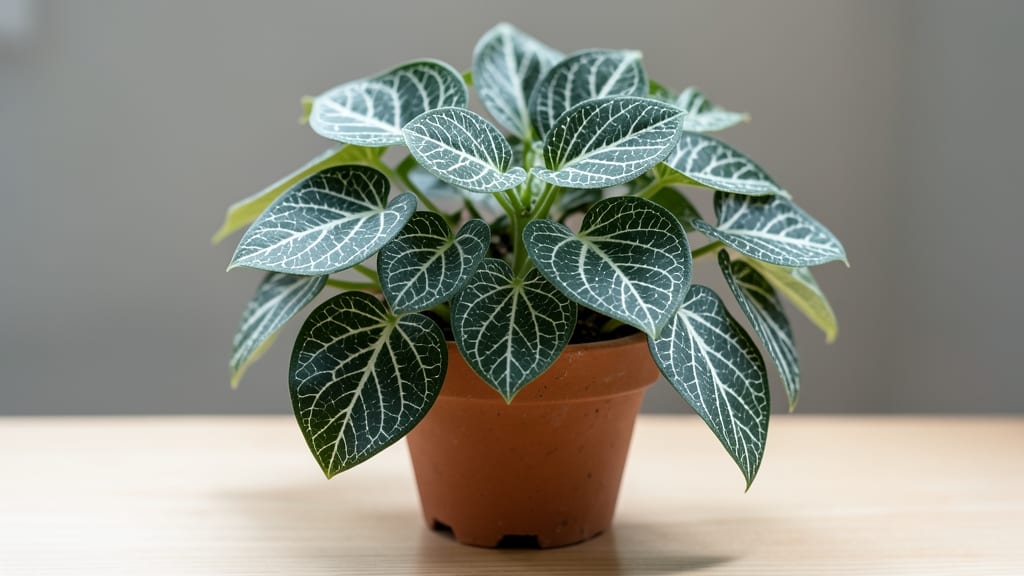
If you’re wondering how much light does a nerve plant need, the answer lies in striking the perfect balance—because the right lighting doesn’t just keep it alive, it’s the key to those bold, striking veins that make this plant so special.
Most people assume brighter light is always better, but nerve plants actually thrive in bright indirect light, not harsh sun. Too little, and your plant will stretch out weakly; too much, and those delicate leaves will scorch.
Let’s break down exactly how to find that perfect balance so your nerve plant stays lush and colorful.
Whether you’re dealing with a dim corner or a sunlit windowsill, I’ll show you how to spot the signs of poor lighting and adjust your setup. You’ll discover the ideal spots in your home, plus easy fixes for common light-related problems like yellowing leaves or slow growth.
Ready to give your nerve plant the conditions it truly needs? By the end of this guide, you’ll know exactly where to place it—and how to keep those stunning veins popping year-round.
 Best Window Placement
Ideal light requirements for nerve plant growth: brightness levels explained
Nerve plants (Fittonia) are all about that bright indirect light—think of it as their version of a cozy reading nook. Unlike sun-loving succulents, these plants need 4-6 hours of filtered light daily to maintain their signature veined foliage.
Too little light dulls their colors, while too much causes leaf scorch or bleaching.
The key is mimicking the dappled shade of a forest understory. This means placing your nerve plant near an east-facing window (where morning sun is gentle) or using sheer curtains to diffuse harsh afternoon rays.
South-facing windows can work, but only if you add a sheer curtain to soften the light.
Here’s how to spot lighting issues at a glance:
- Underlighting: Long, leggy stems and pale, sparse veins
- Overlighting: Crispy brown edges or bleached patches
- Perfect light: Compact growth with vibrant, evenly colored leaves
If your home lacks natural light, a grow light (LED or fluorescent) can supplement. Position it 6-12 inches above the plant for 12-14 hours daily, but avoid keeping it on 24/7—nerve plants need rest too.
Seasonal adjustments matter too. In winter, when daylight fades, move your plant closer to a window or extend grow light hours slightly. Conversely, in summer, watch for intense afternoon sun and adjust placement or use reflective surfaces (like a white wall) to bounce light gently.
| Light Condition | Ideal Light Source | Signs of Correct Light | Adjustments Needed |
|---|---|---|---|
| Low Light | North-facing window or 10+ feet from south window | Leggy growth, pale veins, sparse foliage | Move to brighter spot or add grow light |
| Bright Indirect | East/west window with sheer curtain or 2-3 feet from south window | Compact growth, vibrant veins, glossy leaves | None—perfect conditions! |
| Direct Sun | South window without diffusion or midday sun | Brown crispy edges, bleached veins, wilting | Move to indirect light or add sheer curtain |
Pro tip: Rotate your nerve plant quarter-turn weekly to ensure even light exposure. This prevents one side from stretching toward the light while the other stays weak. Think of it like giving your plant a gentle light massage to keep it balanced.
For those with office plants, fluorescent lighting often works—but only if the bulb is 6000K or cooler. Avoid warm white bulbs (2700K-3000K), which can stress the plant. If your workspace has low light, supplement with a small LED grow light for 8-10 hours daily.
Remember, nerve plants are not drought-tolerant, but they’re also not high-maintenance when it comes to light. Once you find the sweet spot, your plant will reward you with lush, vein-popping foliage that’s the envy of every plant lover.
🌿
How to test and adjust your nerve plant’s light exposure at home
Testing your nerve plant’s light exposure is easier than you think—and it starts with a simple shadow test. Place a piece of white paper near your plant during daylight hours. If the shadow is sharp and dark, your plant’s getting too much direct sun.
If the shadow is fuzzy or nonexistent, it’s likely in low light. Aim for a soft, diffused shadow that mimics natural forest light.
Next, observe your plant’s growth patterns over 2-3 weeks. Note whether new leaves are smaller or larger than average, or if stems are stretching toward the light—a classic sign of etiolation.
Keep a journal with dates and adjustments to track progress. For example, if leaves start yellowing, move your plant 1-2 feet farther from the window immediately.
⚠️ Common Light Mistakes to Avoid
Mistake 1: Placing near a south-facing window without diffusion—this causes instant leaf burn within hours.
Mistake 2: Assuming fluorescent office lights are enough—most bulbs emit too little blue spectrum for optimal growth.
Mistake 3: Ignoring seasonal light changes, like shorter winter days, which can stress your plant if unadjusted.
For DIY light adjustments, sheer curtains are your best friend. Hang them on south-facing windows to filter harsh rays, or use a white bedsheet as a temporary diffuser. If your space has no natural light, invest in a full-spectrum LED grow light (like the Samsung LM300 series).
Position it 6-10 inches above the plant and set a timer for 12 hours daily to mimic daylight cycles.
Seasonal tweaks are crucial. In summer, when sunlight intensifies, move your nerve plant 3-4 feet back from the window or add a sheer curtain. In winter, rotate the pot quarter-turn weekly to prevent uneven light exposure.
If your home has no windows, consider a sunroom or greenhouse setup with supplemental grow lights for year-round success.
Pro tip: Use a light meter app (like Light Meter Pro) to measure foot-candles. Nerve plants thrive at 500-1,000 foot-candles. If readings are below 300, supplement with artificial light immediately.
For indoor growers, place your plant 1-2 feet from a north-facing window as a baseline, then adjust based on leaf color and growth.
Remember, patience is key. It may take 4-6 weeks to see improvements after adjusting light exposure. If your plant still struggles, consider pruning leggy stems to encourage bushier growth while you fine-tune its environment.
With the right light, your nerve plant will reward you with bold veins and glossy leaves that make it the star of any collection.
🌱