
Plants
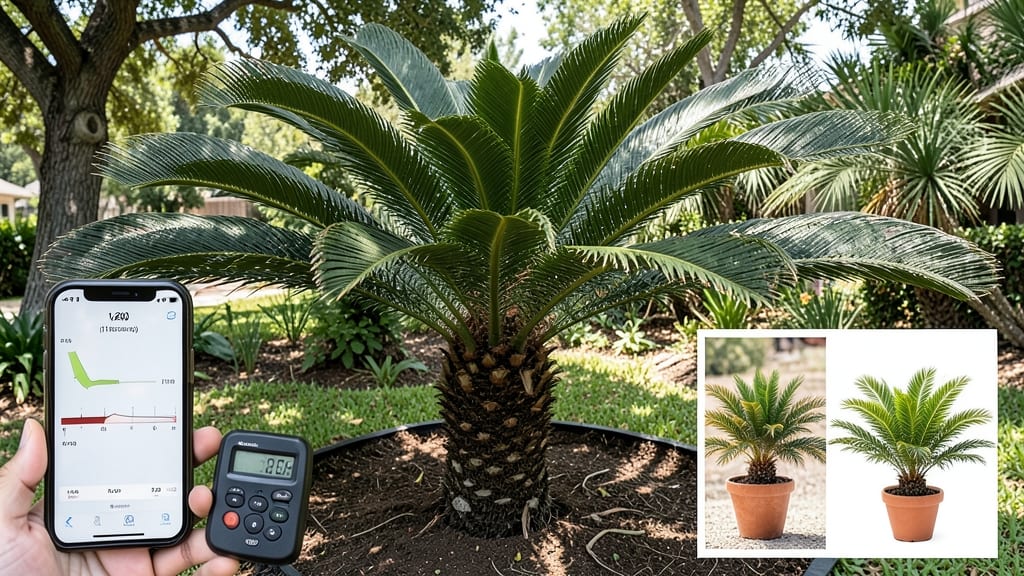
If you’re wondering how much light does a palm plant need, the answer might be simpler than you think—it’s all about balance. Getting the right amount between too little and too much can mean the difference between a lush, vibrant plant and one that slowly fades away.
Most palms crave bright, indirect sunlight, but not all varieties have the same needs. Some, like the Areca palm, can handle a bit more direct light, while others, such as the Kentia, prefer gentler conditions.
Without the right exposure, you might notice yellowing fronds, slow growth, or even crispy leaf tips—all classic signs your palm isn’t getting what it needs.
Whether you’re growing your palm indoors near a window or outdoors in your garden, understanding its light requirements is the key to keeping it healthy. I’ll walk you through the ideal conditions for different types of palms and how to adjust your space to give them the perfect glow.
Ready to transform your palm’s health? Let’s dive into the secrets of sunlight that will have your plant reaching for the sky in no time.
 Best Window Placement
Ideal light requirements for different palm plant types
Not all palms thrive under the same light conditions—some love bright, indirect sunlight, while others can handle direct sun exposure for hours. The key is understanding your palm's native habitat and matching it to your home's lighting.
For example, tropical palms like the Areca palm mimic their jungle roots by thriving in medium to bright indirect light, while hardy varieties like the Canary Island date palm crave full sun.
Let’s break down the exact light needs for popular palm species so you can give yours the perfect spot.
Most indoor palms fall into three light categories: low-light tolerant, medium-light lovers, and high-light seekers. The Parlor palm and Kentia palm are the most forgiving, surviving in 2,000–4,000 foot-candles of light (think north-facing windows or 10–15 feet from a south window).
Meanwhile, Majesty palms and Bamboo palms need 6,000+ foot-candles—closer to a west or south window or under grow lights. Misjudging light can lead to yellowing fronds or crispy leaf tips, so let’s avoid those pitfalls.
| Palm Type | Light Needs | Ideal Location | Signs of Stress |
|---|---|---|---|
| Areca Palm | Bright indirect light (4,000–6,000 ft-c) | East or south window, 3–5 ft away | Brown leaf tips (too dry), yellow fronds (too dim) |
| Kentia Palm | Low to medium light (2,000–4,000 ft-c) | North window or 15+ ft from south window | Slow growth (too dim), bleached fronds (too bright) |
| Majesty Palm | Medium to bright light (6,000+ ft-c) | South or west window, or under grow lights | Crispy edges (too dry/sunburn), drooping fronds (underwatered) |
| Parlor Palm | Low light (1,000–2,000 ft-c) | Hallway, bathroom, or office with no direct sun | Leggy growth (needs more light), pale fronds (too dim) |
| Canary Island Date Palm | Full sun (6+ hours direct) | Outdoor in USDA zones 9–11, or south-facing patio | Brown patches (sunburn), slow growth (too shaded) |
The Areca palm, often called the "butterfly palm," is a fan favorite for its feathery fronds and air-purifying qualities. Place it near an east-facing window for gentle morning sun or a south-facing window 3–5 feet away to avoid harsh afternoon rays.
If you notice yellowing fronds on the lower leaves, it’s often a sign of too much direct sun or overwatering. Conversely, if growth slows dramatically, your palm might be starved for light. Rotate the pot quarter-turns monthly to ensure even light exposure on all sides.
For outdoor palms, like the Mexican fan palm or Pygmy date palm, aim for 6–8 hours of sunlight daily. These varieties handle direct sun exposure but may need afternoon shade in USDA zones 9–11 to prevent leaf scorch.
A quick trick? Use a light-colored shade cloth (30–50% block) to filter intense rays during peak hours (11 AM–3 PM). Outdoor palms also benefit from well-draining soil to prevent root rot—more on that in our soil care guide.
If your home lacks natural light, grow lights are a game-changer. A full-spectrum LED grow light (like the Samsung LM300) placed 12–18 inches above your palm mimics 6–8 hours of sunlight.
Run it for 12–14 hours daily to keep your palm thriving, especially in winter months when daylight shrinks. For low-light palms like the Parlor palm, even a simple fluorescent bulb can boost growth—just keep it 6–12 inches away to avoid leaf burn.
Pro tip: Use a light meter (or your phone’s light sensor app) to measure foot-candles in potential spots. Aim for 4,000–6,000 ft-c for most indoor palms, adjusting based on the species.
If your palm’s fronds start leaning toward the light, it’s begging for more—gradually move it closer to the window over 2–3 weeks to avoid shock. Patience is key; sudden light changes can cause fronds to brown or drop.
Outdoor palms in containers need extra attention. Move them indoors before temperatures drop below 40°F or when nighttime temps fall below 50°F. A south-facing patio is ideal for container palms, but always provide dappled shade during summer afternoons.
Mulch the soil with pine bark or straw to retain moisture and regulate temperature—this helps prevent root stress from fluctuating light and heat.
How to adjust light conditions for maximum palm growth
Adjusting light conditions for your palm plant doesn’t have to be complicated. If your home lacks natural light, or if harsh afternoon sun is scorching your leaves, there are simple solutions to create the perfect environment.
Start by identifying the brightest spot in your space—most palms thrive near east-facing windows, where morning sunlight is gentle but abundant.
For indoor palms struggling with low light, consider adding a grow light just 12-18 inches above the fronds. LED grow lights are energy-efficient and mimic natural sunlight. Aim for 12-14 hours of light daily, especially during winter months when daylight is scarce.
Rotate your palm every few weeks to ensure even growth and prevent it from leaning toward the light source.
Outdoor palms need protection from intense afternoon sun, which can cause leaf burn. Use a lightweight shade cloth (30-50% coverage) or plant near taller trees to filter harsh rays. If your palm is in a container, move it to a partially shaded patio during peak sun hours.
Remember, palms prefer bright indirect light, so avoid placing them in full sun without acclimating them gradually.
⚠️ Warning: Avoid These Light Mistakes
Sudden light changes can shock your palm, causing fronds to yellow or brown. If moving your plant, do it gradually over 1-2 weeks, increasing exposure by 1-2 hours per day.
Placing palms near cold drafts or heating vents can stress them, even if light conditions are ideal. Keep them in consistent temperatures between 65-85°F.
Never use incandescent bulbs as grow lights—they produce too much heat and not enough light for healthy growth.
If your palm is in a north-facing window, supplement with a reflective surface like a mirror or white wall to bounce extra light onto the leaves. This trick can boost light exposure by up to 30% without extra cost.
For outdoor palms, mulch around the base with organic matter to retain moisture and protect roots from temperature fluctuations caused by direct sun.
Seasonal adjustments are key. In summer, move container palms to dappled shade to prevent leaf scorch. In winter, rotate them toward the southern exposure to maximize weak winter sunlight. With these tweaks, your palm will thrive year-round, no matter your home’s lighting challenges.
Pro tip: Dust your palm’s fronds monthly with a damp cloth—dust blocks up to 50% of light absorption, slowing growth. A quick wipe keeps leaves clean and ready to soak up every ray.