
How To
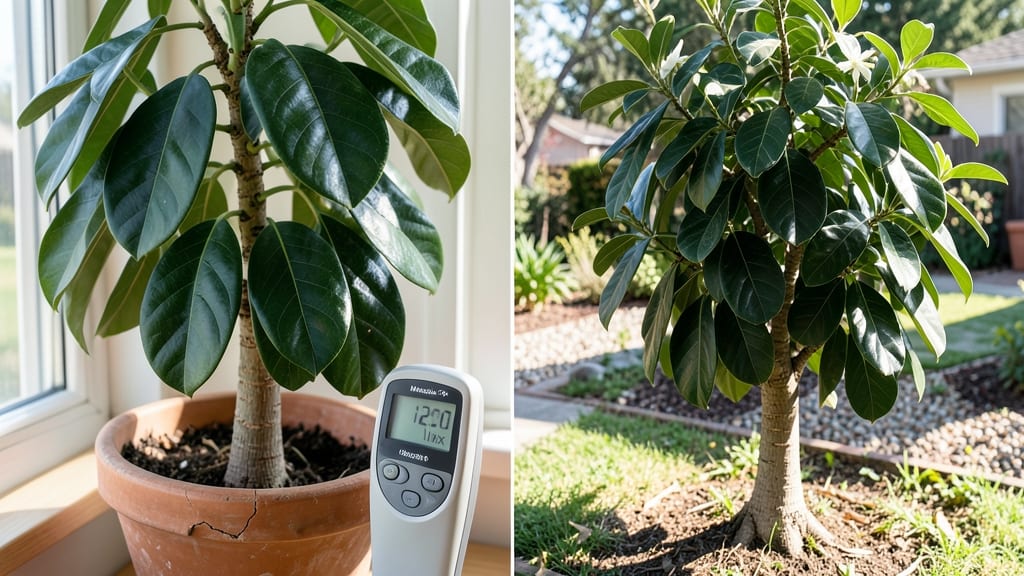
If you're wondering how much light an avocado plant needs to thrive, the answer is simple: sunlight is non-negotiable. The right amount isn’t just helpful—it’s the foundation for healthy growth, vibrant leaves, and even future fruit production.
Avocados are sun-worshippers, craving 6+ hours of direct light daily to thrive. Too little, and you'll see those telltale signs of distress—yellowing leaves, weak stems, or stunted growth. But here's the catch: too much harsh midday sun can scorch tender foliage, especially for young plants.
Whether you're growing your avocado indoors by a sunny window or outdoors in your garden, getting the light balance right is the key to long-term success. Let me show you exactly how to meet your plant's needs at every growth stage, from seedling to mature tree.
From identifying light deficiencies to optimizing indoor setups with grow lights, you'll discover practical solutions that actually work. Let's get your avocado plant the perfect light conditions it deserves—so you can enjoy watching it grow strong and healthy for years to come.
 Best Window Placement
Avocado plant light requirements: the perfect sunlight balance for growth stages
If you're growing an avocado plant, understanding its light requirements is non-negotiable. These tropical trees crave bright, direct sunlight—think 6 to 8 hours daily—but their needs change dramatically as they mature. Too little light, and you’ll see yellowing leaves or stunted growth.
Too much? Leaf scorch and crispy edges will ruin your progress. Let’s break down the sunlight needs for each growth phase so you can keep your avocado thriving.
For seedlings and young plants, 4 to 6 hours of sunlight is ideal. This is the most critical stage because weak light leads to leggy, spindly growth—a classic sign of light deprivation.
Place your seedling near a south-facing window or under a grow light for 12-14 hours a day if indoors. Without enough light, seedlings struggle to develop strong stems and vibrant leaves, setting them up for failure later.
Once your avocado reaches the juvenile stage (around 1-2 feet tall), it can handle 6 to 8 hours of direct sunlight. This is where most indoor growers hit a snag—natural light just isn’t enough.
If your plant starts dropping leaves or developing pale, stretched-out foliage, it’s begging for more light. Outdoor plants in USDA Zone 6 or warmer can thrive in full sun, but those in hotter climates may need afternoon shade to prevent leaf burn.
Mature avocado trees (3+ years old) are the most sun-hungry of all. They demand full sun exposure—8+ hours daily—to produce fruit and maintain health. In containers, mature trees may need rotating weekly to ensure even light distribution.
Without sufficient sunlight, mature trees become fruitless and prone to disease. If you’re growing outdoors, position your tree where it gets morning sun and afternoon shade during peak summer months.
| Growth Stage | Sunlight Needs | Key Symptoms of Light Issues | Solution |
|---|---|---|---|
| Seedling (0-12 months) | 4-6 hours direct sun | Leggy stems, yellow lower leaves | Move to brighter spot or use grow light |
| Juvenile (1-2 years) | 6-8 hours direct sun | Pale leaves, slow growth | Rotate plant weekly for even light |
| Mature (3+ years) | 8+ hours full sun | No fruit, leaf scorch | Prune for better light penetration |
One of the biggest light-related mistakes is assuming all sunlight is equal. Intensity matters—direct morning sun is gentler than harsh afternoon rays. If your avocado’s leaves start turning brown and crispy, it’s getting too much direct sun, especially in hot climates like Zone 9 or 10.
In these areas, provide dappled shade with sheer curtains or a nearby tree. Conversely, if leaves turn yellow between veins (a sign of chlorosis), your plant isn’t getting enough direct sunlight.
To test if your avocado is getting enough light, perform the "shadow test". Hold a ruler next to your plant at noon—if the shadow is shorter than the ruler’s length, it’s getting strong enough sunlight.
If the shadow is longer, move it closer to a sunny window or supplement with a LED grow light. For indoor growers, a south-facing window is ideal, but east or west windows work too—just rotate the plant every few days to prevent one-sided growth.
Seasonal changes also affect light exposure. In winter months, days are shorter, and sunlight is less intense. If you notice your avocado’s growth slowing down, consider adding a grow light to maintain 12-14 hours of light daily.
Outdoor plants may need protection from cold winds, which can stress the tree and reduce its ability to photosynthesize efficiently. Use a windbreak or move potted plants to a sheltered spot during winter.
Pro tip: If you’re growing your avocado in a container, choose a pot with a light-colored finish to reflect extra light onto the leaves. Dark pots absorb heat and can stress the roots, indirectly affecting the plant’s ability to utilize sunlight.
Pair this with well-draining soil to keep roots healthy and maximize light absorption. Remember, healthy roots = better photosynthesis, which directly impacts growth and fruit production.
Finally, don’t overlook the quality of light. Avocados thrive under full-spectrum sunlight, which includes UV rays that help strengthen cell walls. If you’re using artificial lights, opt for full-spectrum LEDs (5000-6500K color temperature) to mimic natural sunlight.
Avoid cheap blue or red-only lights, as they won’t provide the balanced spectrum your avocado needs for optimal growth.
Indoor vs outdoor avocado light solutions: maximizing growth in limited sun
Growing an avocado plant indoors or outdoors presents unique light challenges. While outdoor avocados bask in natural sunlight, indoor plants often struggle with low light conditions from windows or grow lights.
The good news? With the right strategies, you can meet your avocado’s 6+ hour sunlight requirement—whether you're dealing with a sunny patio or a dim living room.
Outdoor avocados thrive in full sun exposure, but even they need protection from harsh afternoon rays, especially in hot climates. Indoor plants, on the other hand, require careful placement and supplemental lighting to avoid light deficiency symptoms like yellowing leaves or weak stems.
Let’s break down the best approaches for both setups.
For outdoor avocados, aim for 6-8 hours of direct sunlight daily, but provide afternoon shade during peak heat (12 PM–4 PM) to prevent leaf scorch. In hot zones like USDA Zone 9-10, partial shade with 50-60% sunlight works well.
Mulch around the base to retain moisture and protect roots from temperature swings.
| Condition | Outdoor Avocado | Indoor Avocado |
|---|---|---|
| Sunlight Needed | 6-8 hours direct | 6+ hours via window/grow light |
| Best Window Placement | South or west-facing | South-facing, elevated |
| Afternoon Shade | Yes (12 PM–4 PM) | N/A (use sheer curtains) |
| Supplemental Light | Optional (LED grow lights) | Required (12-16 hrs/day) |
| Light Intensity | Full sun (10,000+ lux) | 6,000-8,000 lux (grow lights) |
Indoor avocados need a south-facing window for maximum light, but even then, they’ll likely need grow lights to replicate full sun. Place your plant within 1-2 feet of a bright window and rotate it weekly to ensure even growth.
If natural light is insufficient, use a full-spectrum LED grow light (12-16 hours/day) to compensate. For best results, pair grow lights with a timer to mimic natural daylight cycles.
To maximize indoor light, avoid placing your avocado near obstructive furniture or curtains, which block sunlight. Use reflective surfaces like white walls or mirrors to bounce light onto the plant. If you notice stretched or pale leaves, it’s a sign of insufficient light—adjust your setup immediately.
Outdoor plants, meanwhile, benefit from seasonal adjustments: move them to sunnier spots in winter or provide temporary shade in summer.
Pro tip: Monitor your avocado’s leaves for color changes. Dark green leaves indicate healthy light exposure, while yellowing or brown edges signal over-exposure or deficiency. With the right balance, your avocado will grow lush and strong—whether it’s thriving outdoors or flourishing indoors with a little extra care.