
Plants
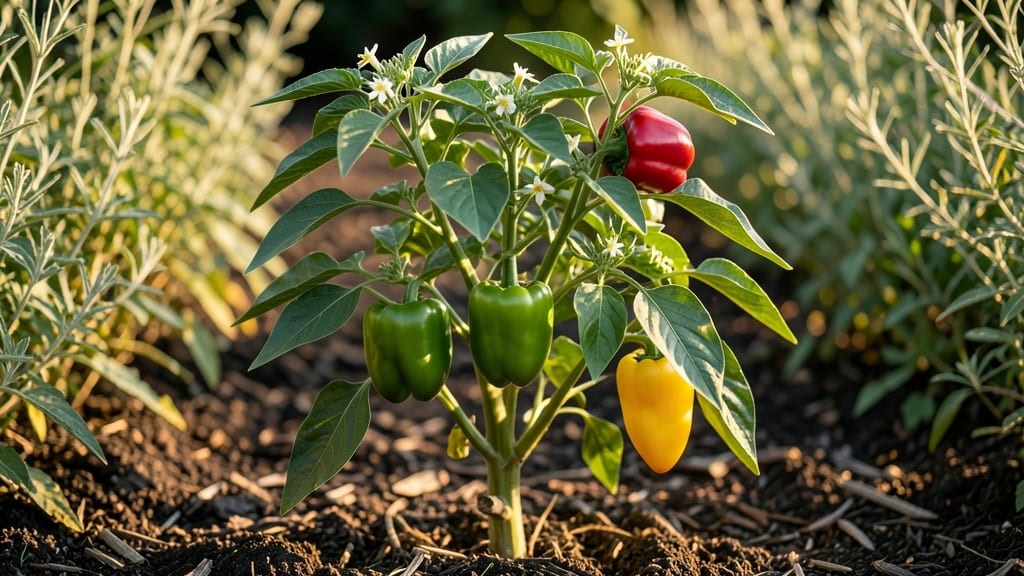
If you're planning your garden this spring, knowing how tall pepper plants grow could mean the difference between a thriving harvest and wasted space. Some varieties stay compact enough to fit neatly in containers, while others stretch toward the sky like 4-foot-tall giants—so choosing the right spot matters.
Pepper plants come in two main growth habits: bushy determinate types that top out around 2-3 feet, and vining indeterminate varieties that keep climbing until frost. The wrong placement can lead to crowded plants, fewer peppers, or even disease problems.
Let me show you exactly how to match your pepper varieties to the perfect growing conditions.
Whether you're growing sweet bell peppers for salads or fiery jalapeños for salsa, space planning is key. You'll discover which varieties need trellises, how to tell when plants are overcrowded, and simple tricks to maximize your harvest—without sacrificing flavor or yield.
Ready to stop guessing and start growing? I'll walk you through everything from dwarf varieties that fit in small spaces to towering plants that need room to stretch. Let's get your peppers the space they deserve!

Pepper plant height by variety: compact vs. tall growing types
When planning your garden, knowing how tall pepper plants grow is key to avoiding overcrowding and maximizing yields. Pepper varieties fall into two main categories: determinate (bush) and indeterminate (vining).
Determinate types stay compact, while indeterminate varieties can grow surprisingly tall—some even reaching 4 feet or more with proper support!
For example, bell peppers and jalapeños often stay between 2 to 3 feet tall, making them ideal for small gardens or containers. On the other hand, habaneros and cayenne peppers can stretch up to 4 feet if left unpruned.
Understanding these differences helps you choose the right varieties for your space.
Here’s a quick breakdown of what to expect from popular pepper types based on their growth habits:
If you’re growing indeterminate varieties, plan for vertical space. These peppers continue growing throughout the season, producing fruit until frost. Without support, they can flop over, leading to poor air circulation and disease risks. For determinate types, focus on spacing them evenly to prevent competition for nutrients.
Dwarf varieties like 'Jalapeño M' or 'Mini Bell' are perfect for containers or small gardens, while taller types need sturdy cages or trellises. I’ve found that using 5-gallon buckets for compact varieties works well, while tall tomato cages (6 feet) support my cayenne plants beautifully.
Another factor affecting height is pruning practices. Pinching back indeterminate plants encourages bushier growth and can reduce height by up to 1 foot. For example, if your habanero starts reaching 4 feet, pruning the top growth can keep it manageable while boosting fruit production.
For container gardeners, choose determinate varieties or opt for dwarf hybrids. Even tall indeterminate peppers can thrive in large pots (at least 12 inches deep) if given proper support. Just ensure your container has drainage holes to prevent root rot—a common issue with overwatered peppers.
One common misconception is that all peppers need the same space. In reality, overcrowding leads to stunted growth, fewer peppers, and increased pest risks. Always check seed packets or plant tags for spacing recommendations, which often align with mature height ranges.
Pro tip: If you’re short on space, try interplanting fast-growing crops like bush beans or lettuce between pepper plants. This maximizes your garden’s potential without sacrificing pepper yields.
🌱
How to determine pepper plant spacing for optimal growth
Proper spacing is the secret to happy, productive pepper plants. Overcrowding leads to poor air circulation, while too much space wastes garden real estate. The key lies in matching your variety’s mature height to its root spread and growth habit.
For determinate (bush) varieties, like bell peppers or jalapeños, aim for 18–24 inches apart in rows spaced 24–36 inches apart. These compact plants stay between 2–3 feet tall and thrive when given room to breathe.
Indeterminate (vining) types, such as habaneros or cayennes, need more elbow room. Space them 24–36 inches apart in rows 36–48 inches apart—they can reach 3–5 feet tall and sprawl wider than bush varieties.
🌱 Spacing Guidelines for Pepper Plants
- 🌶️ Dwarf Varieties (e.g., Mini Bell): 12–18 inches apart in 18-inch rows
- 🌿 Bush Varieties (e.g., Jalapeño, Bell): 18–24 inches apart in 24–36-inch rows
- 🌳 Vining Varieties (e.g., Habanero, Cayenne): 24–36 inches apart in 36–48-inch rows
- 🪴 Container Grown: 1 plant per 5-gallon pot (or 2 small varieties in 7-gallon pots)
💡 Pro Tip: Always space taller varieties on the north side of shorter ones to avoid shading.
If you’re growing peppers in containers, choose pots with at least 5 gallons of soil per plant. Smaller pots restrict root growth, leading to stunted plants and fewer peppers. Use lightweight potting mix with perlite or vermiculite to improve drainage.
For tall, vining varieties, consider trellising or cages to save space. Install 5–6 foot tall stakes or tomato cages at planting time. This not only maximizes vertical space but also improves airflow and sunlight exposure to the lower leaves.
Avoid these common spacing mistakes: planting too close in shady spots, ignoring the plant’s mature height, or crowding in high-humidity areas (which increases disease risk). With the right spacing, your peppers will flourish—and your harvest will be bountiful! 🌿