
Watering
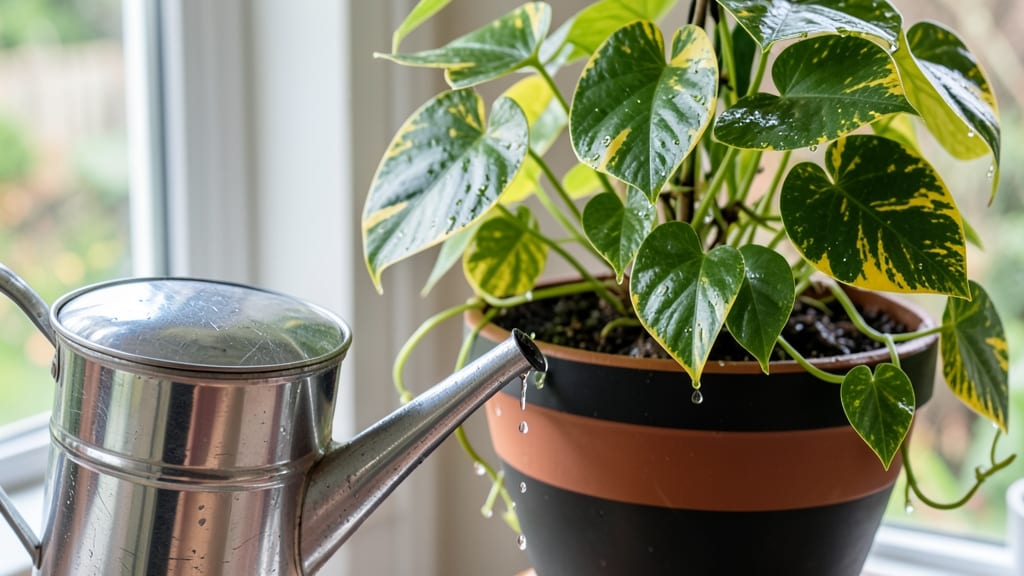
Figuring out how much water your money plant 💵 needs can feel like guessing—pour too much, and you risk root rot; too little, and those glossy leaves start to droop. The good news? There’s a science-backed method that keeps your Pachira aquatica thriving without the guesswork.
Most gardeners overcomplicate watering, but the secret lies in checking soil moisture and adjusting for your plant’s environment. Whether you’re growing yours in a cozy indoor pot or a sunny container, small tweaks—like watering frequency and pot size—make all the difference.
In this guide, I’ll break down the exact watering schedule for your money plant, including seasonal adjustments and how to spot over- or under-watering before it’s too late. No more dead leaves or soggy roots—just lush, happy growth.
Ready to master the art of watering? Let’s dive into the simple steps that’ll keep your money plant looking its best year-round.

Money plant watering schedule: exact frequency by season and pot size
Your money plant (Pachira aquatica) thrives on a consistent watering routine—but too much or too little can spell disaster. The key is understanding how seasonal changes and pot size affect moisture needs.
Unlike thirsty succulents, money plants prefer their soil to dry out slightly between waterings, making the finger test your best friend.
In spring and fall, when your plant is actively growing, aim to water every 7-10 days. During summer's heat, increase frequency to every 5-7 days—small pots dry out faster, while larger containers may hold moisture longer.
Winter slows growth, so reduce watering to every 14-21 days.
Here’s why pot size matters: A 6-inch pot needs about 150-300ml of water per soak, while a 12-inch container may require 500-750ml. Always water until it drains from the bottom—no soggy soil allowed! This prevents the dreaded root rot that kills even the luckiest money plants.
🌱
Pro tip: Use the finger test to avoid guesswork. Stick your index finger 1-2 inches deep into the soil—if it feels dry, it’s time to water. For terracotta pots, which dry out faster, check daily in summer. Plastic pots retain moisture longer, so adjust accordingly.
Another game-changer? Morning watering prevents fungal growth by letting leaves dry overnight. Avoid the evening watering trap—soggy foliage at night invites pests like spider mites. And if your home has low humidity (common in winter), mist the leaves lightly or place a pebble tray nearby to mimic tropical conditions.
For new money plants, ease into the routine. The first few weeks are critical—water lightly every 5-7 days until roots establish, then follow the seasonal schedule. Overwatering young plants is just as harmful as underwatering!
💧
Remember, your money plant’s leaves are its superpower. Lush, green foliage means you’re nailing the watering balance. If you notice yellowing leaves or drooping stems, we’ll cover fixes in the next section—but for now, trust the schedule and let your plant’s natural rhythms guide you.
Signs your money plant is overwatered (or underwatered) and how to fix it
Your money plant (Pachira aquatica) sends clear signals when its watering routine is off—yellow leaves, drooping stems, or mushy roots are all red flags. The key is acting fast before these symptoms turn irreversible.
Overwatering is the silent killer, while underwatering causes stress that weakens your plant’s resilience. Let’s decode the visual clues and fix them before your money plant throws in the towel.
First, check the leaves for color changes. Yellowing leaves with green veins often mean overwatering—roots suffocating in soggy soil can’t absorb nutrients. On the flip side, brown, crispy edges or wilting foliage scream underwatering.
Both issues start subtly, so don’t wait until your plant looks like a sad, droopy mess to act. A quick soil check can save your money plant from a slow decline.
🌱
⚠️ Root Rot Rescue: Act Now!
Overwatered? Your money plant’s roots may be rotting. Stop watering immediately and follow these steps:
- Remove the plant from its pot and gently loosen the soil.
- Inspect roots: Healthy roots are firm and white; rotten roots are mushy and brown.
- Trim dead roots with sterilized scissors, then repot in fresh, well-draining soil.
- Water lightly only when the top 2 inches of soil are dry.
Pro Tip: Add perlite or orchid bark to soil to improve drainage and prevent future rot.
If your money plant is underwatered, the fix is simpler but requires consistency. Start by giving it a deep soak—water until it drains from the pot’s bottom.
Then, adjust your schedule: small pots need water every 5-7 days, while larger containers can stretch to 10 days in cooler months. Place a pebble tray under the pot to boost humidity, especially if your home is dry.
For severely wilting plants, trim any crispy leaves and place the pot in a shower to revive the foliage.
Another telltale sign? Leaf drop. While some shedding is normal, excessive leaf loss—especially paired with stunted growth—means your money plant is struggling. Check the soil moisture and adjust your watering routine.
Remember, money plants prefer slightly dry soil over soggy conditions. If you’re unsure, the finger test (inserting your finger 1-2 inches deep) is your best tool.
💧
For prevention, invest in a well-draining pot with drainage holes and use a soil mix designed for tropical plants. Avoid compacted soil or heavy garden mixes that trap moisture.
If your home has low humidity, like many indoor spaces in winter, consider a humidifier or group your money plant with other houseplants to create a microclimate. The goal? Mimic its natural tropical habitat without the guesswork.
Your money plant’s leaves are its lifeline. When they’re lush and vibrant, you’re on the right track. If you spot any of these signs, act quickly—your plant’s recovery depends on it.
With the right adjustments, your money plant will bounce back stronger than ever, proving that even the most stressed plants can thrive with a little TLC.