
Plants
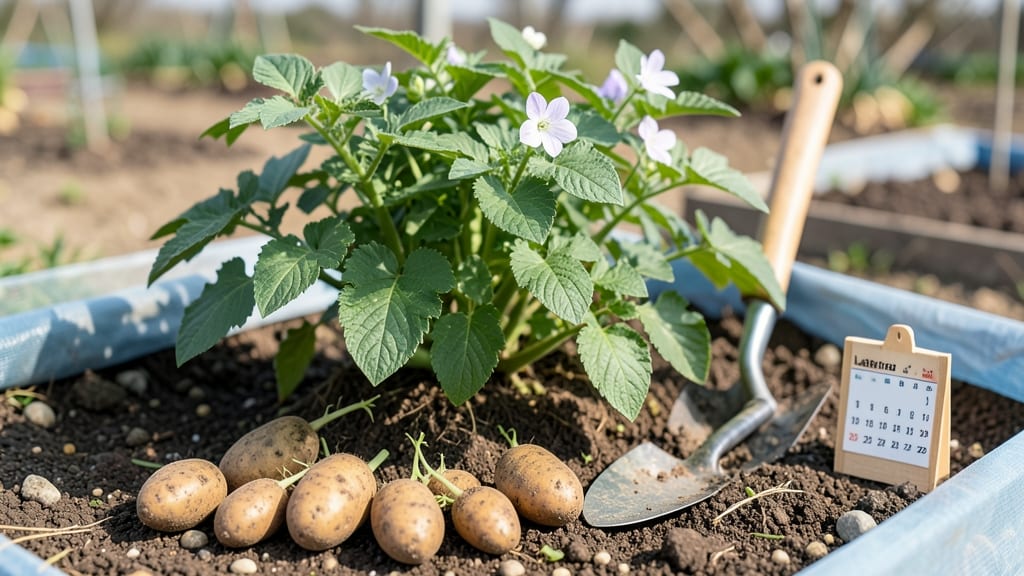
If you’ve ever planted 🥔 potatoes in Colorado only to watch them wither in early frost or rot from late-season rains, you’re not alone.
The perfect planting window here isn’t one-size-fits-all—it’s a puzzle shaped by elevation, microclimates, and those infamous last frost dates that shift wildly from Denver’s plains to the mountain valleys.
Timing matters more than you might think. Plant too early, and your tubers struggle in cold soil; too late, and hail or early frosts cut your harvest short.
I’ve dug into Colorado’s unique growing zones to break down the exact weeks to plant—whether you’re in the Front Range or the Western Slope—and how to adjust for early, mid-, and late varieties.
Ready to avoid the common mistakes that ruin Colorado potato harvests? I’ll show you how to read your soil’s temperature, time your planting for maximum yield, and even protect your crop if Mother Nature throws a curveball. Let’s get those spuds in the ground the right way.
From chitting your seed potatoes to hilling for protection, you’ll learn the step-by-step strategies that work in Colorado’s climate. Whether you’re a first-time gardener or a seasoned grower, these tips will help you turn your plot into a potato powerhouse—without the guesswork.
Colorado’s potato planting zones: frost dates by elevation and last-average-frost timelines
Colorado’s elevation-driven climate means your potato planting timeline depends heavily on where you live. The Front Range (Denver, Boulder) has different frost dates than the Western Slope (Grand Junction) or mountain valleys (Aspen, Leadville). Understanding these zones helps you avoid frost damage and maximize yields.
Most Colorado gardeners focus on last average frost dates, which vary by elevation. For example, Denver (5,280 ft) typically sees its last frost around May 15, while Grand Junction (4,450 ft) warms up by April 15.
Meanwhile, high-altitude areas (8,000+ ft) may not reach safe planting temps until June 1.
Here’s how to match your potato variety to your local frost zone for a successful harvest:
| Elevation Zone | USDA Zone | Last Avg. Frost | Safe Planting Window | Best Varieties |
|---|---|---|---|---|
| 2,000–4,000 ft (Grand Junction, Pueblo) | 6b–7a | April 15–May 1 | Mid-April to early May | Yukon Gold, Red Pontiac |
| 4,000–6,000 ft (Denver, Colorado Springs) | 5b–6a | May 1–15 | Late April to mid-May | Russet Burbank, Fingerlings |
| 6,000–8,000 ft (Fort Collins, Boulder) | 4b–5a | May 15–30 | Late May to early June | Kennebec, Purple Viking |
| 8,000+ ft (Leadville, Aspen) | 3a–4a | June 1–15 | Early to mid-June | Early Red, Red LaSoda |
For high-altitude gardeners, consider early-maturing varieties (60–75 days to harvest) to beat the first frost, which can hit as early as September 15 in mountain areas. In contrast, lowland regions can support late-season varieties (90+ days) with longer growing windows.
Pro tip: Use black plastic mulch to warm soil faster in cooler zones, or plant under row covers to extend the season by 2–3 weeks. This is especially useful for mountain gardeners with shorter summers.
Always check your local CoCoRaHS frost data or Colorado State University Extension for real-time updates, as microclimates can shift frost dates by weeks. For example, urban heat islands in Denver may allow planting 1–2 weeks earlier than rural areas.
If you’re unsure about your exact frost date, err on the side of planting later. Potatoes can tolerate light frosts (down to 28°F) but will rot if planted in cold, soggy soil. Aim for soil temps of 45–50°F and wait until nighttime temps stay above 32°F consistently.
For container growing, adjust your timeline by 1–2 weeks earlier, as pots warm up faster. Just ensure containers have drainage holes to prevent waterlogged roots, which are a common issue in Colorado’s variable rainfall.
Finally, remember that early planting (before soil warms) can lead to blight, while late planting may not yield mature tubers before frost. Balance your variety choice with your local frost timeline for the best results.
How to adjust planting dates for early vs. late potato varieties in Colorado’s climate
Colorado’s short growing season means choosing the right potato variety and adjusting planting dates can mean the difference between a bountiful harvest and a disappointing one. Early varieties like Early Red mature in just 60–75 days, while late varieties like Russet Burbank take 90–120 days.
Matching your variety to your local frost timeline is key.
For high-altitude areas (6,000+ ft), stick to early-maturing varieties to avoid frost. In Denver or Colorado Springs (4,000–6,000 ft), you can experiment with mid-season varieties like Yukon Gold or Kennebec. Meanwhile, lowland regions (2,000–4,000 ft) can support late-season varieties like Fingerlings or Red Pontiac.
Here’s how to time your planting for maximum yield, whether you’re growing red potatoes, russets, or fingerlings:
- 🌱 Early Varieties (60–75 days): Plant 2–4 weeks before your last frost date. Ideal for mountain gardeners (8,000+ ft) to harvest before frost. Example: Early Red planted in late May in Leadville.
- 🌿 Mid-Season Varieties (75–90 days): Plant 1–2 weeks after your last frost date. Best for Front Range gardeners (4,000–6,000 ft). Example: Yukon Gold planted in early May in Denver.
- 🥔 Late Varieties (90+ days): Plant at or just after your last frost date. Riskier in high-altitude areas but works well in lowland regions. Example: Russet Burbank planted in mid-April in Grand Junction.
- 💧 Soil Temperature Matters: Wait until soil reaches 45–50°F—use a soil thermometer to check. Cold soil delays sprouting and invites disease.
- ⏰ Chitting for a Head Start: Pre-sprout your seed potatoes 4 weeks before planting by placing them in a bright, cool (50–60°F) spot. This gives you a 2-week jump on the growing season.
If you’re in a short-season zone, try succession planting: plant a batch of early varieties first, followed by mid-season 2–3 weeks later. This stretches your harvest from July to September.
For example, in Boulder (6,000 ft), plant Early Red in late May and Kennebec in early June.
For container growing, plant 1–2 weeks earlier than in-ground potatoes, as containers warm up faster. Just ensure your pots are at least 12 inches deep and have drainage holes to prevent rot. In high-altitude containers, use black plastic mulch to retain heat and speed up germination.
One of my biggest mistakes early on was planting late varieties too late in Denver, only to watch them rot in September rains. Now, I always double-check frost dates and adjust my timeline accordingly. Use Colorado State University’s frost calculator or local CoCoRaHS data to fine-tune your schedule.
Finally, if you’re unsure about your local microclimate, observe your garden for a few years.
Note when last frosts occur and adjust your planting dates 1–2 weeks earlier or later as needed. Mountain gardeners should prioritize early varieties, while lowland gardeners can take more risks with late-season crops.