
Companion Plants
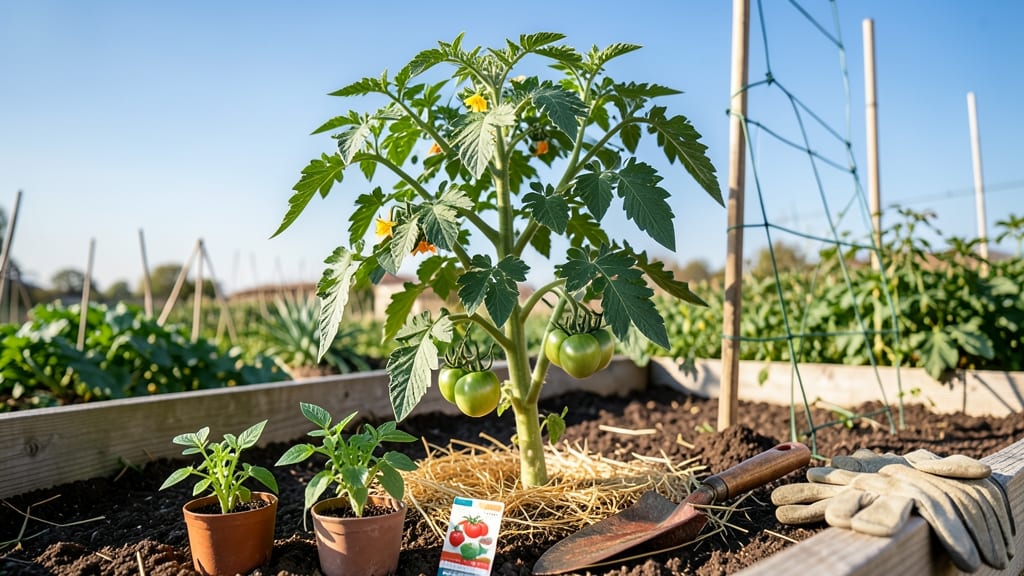
Timing when do I plant tomatoes in North Carolina isn’t just about waiting for spring—it’s about dodging heat stress and frost surprises that can wreck your harvest. The wrong window means seedlings bolt too fast or wilt when summer hits, leaving you with bitter fruit or none at all.
Most gardeners in NC’s 6b-8a zones reach for their transplants in mid-April, but that’s a one-size-fits-few approach. Coastal Plain growers can start earlier, while mountain gardeners often wait until May—sometimes even June—to avoid 90°F+ soil that shocks young plants. The key? Knowing your county’s microclimate and last-frost dates.
In this guide, I’ll break down the exact planting deadlines for your region, including heat-tolerant varieties that thrive when others fail. Whether you’re in Raleigh’s urban heat islands or the cooler Appalachian foothills, you’ll learn how to adjust your schedule—and why soil temperature matters more than the calendar.
Ready to turn your tomato dreams into a bountiful harvest? Let’s get you planting at the perfect moment for your corner of NC.
NC county-by-county tomato planting deadlines by microclimate zone
North Carolina’s three distinct regions—Coastal Plain, Piedmont, and Mountains—each have unique frost dates that dictate your tomato planting window. Planting too early in cold soils (50°F) causes root rot, while waiting too late risks heat stress before harvest.
Here’s how to time it perfectly for your county.
Use the NC State Extension’s frost map as your guide, but adjust for urban heat islands (cities warm up faster) and elevation changes (Mountains stay cooler longer).
For example, Asheville’s last frost often hits April 15, while Wilmington’s arrives by March 1—a 6-week difference that matters for your harvest timing.
🌱
| Region | Last Frost Date | Ideal Planting Window | Soil Temp Requirement | Heat-Tolerant Varieties |
|---|---|---|---|---|
| Coastal Plain (e.g., Wilmington, Fayetteville) | March 1–15 | Mid-March to early April | 60°F+ (use black plastic mulch) | Celebrity, Solar Fire |
| Piedmont (e.g., Raleigh, Greensboro) | March 15–April 1 | Late March to mid-April | 60°F+ (test with soil thermometer) | Mountain Merit, Arkansas Traveler |
| Mountains (e.g., Asheville, Boone) | April 15–May 1 | Late April to early May | 65°F+ (longer to warm) | Heatmaster, Solar Set |
| Urban Heat Islands (e.g., Charlotte, Durham) | 1–2 weeks earlier | Adjust window 7–14 days earlier | 60°F+ (raised beds warm faster) | All varieties (shorter season) |
For exact county deadlines, check the NC State Extension’s interactive frost map (link in resources below). Pro tip: Mountain counties like Haywood often have 30-day later frost dates than Coastal Plain counties like Craven.
If you’re in doubt, plant transplants (not seeds) after May 1—they mature faster and tolerate heat better.
If you’re in the Piedmont, aim for April 15–May 1 planting to avoid blossom-end rot from fluctuating temperatures. For Coastal Plain gardeners, March 15–April 1 is ideal, but cover seedlings with frost cloth if nights dip below 40°F.
In the Mountains, wait until May 1 to ensure soil warmth—cold soils delay germination by 2–3 weeks.
🌡️
Your soil temperature is the real deadline, not just frost dates. Tomatoes need 60°F soil to germinate and 70°F+ to thrive. Use a soil thermometer ($10 at garden centers) to check 6 inches deep—this is more accurate than air temperature.
In raised beds, soil warms 2–3 weeks faster than in-ground plots, so you can plant 2 weeks earlier if using them.
For late plantings (after June 1), switch to heat-tolerant varieties like Solar Fire or Heatmaster, which handle 90°F+ better than standard types. Pair them with shade cloth (30% shade) during peak afternoon sun to prevent sunscald on fruit.
In Western NC, where summers are hotter, consider succession planting every 2 weeks from April to June for a staggered harvest.
How to adjust planting dates for urban heat islands and soil temperature
Urban gardens in North Carolina face unique challenges like heat islands—where pavement and buildings trap heat—making soil temperatures rise faster than rural areas. If you’re growing tomatoes in Raleigh or Charlotte, your planting window might be 2-3 weeks earlier than nearby countryside.
Always check soil temps with a soil thermometer (aim for 60°F+) before planting.
Raised beds solve this problem by warming 5-10°F faster than ground soil. Line them with black plastic mulch 1-2 weeks before planting to accelerate heat absorption. For container gardens, use dark-colored pots to mimic this effect—just ensure they have drainage holes to prevent root rot.
🌱 Pro Tip: In cities like Asheville, where evenings stay cool, extend your season by using row covers after transplanting. This buys you 10-14 extra days before heat stress becomes an issue.