
Planting
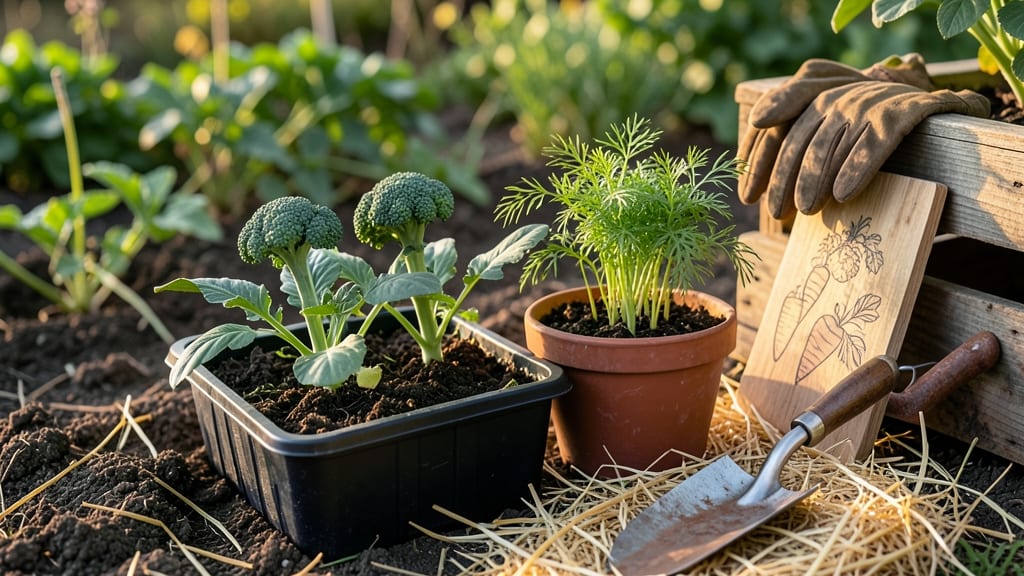
Planting a fall garden in Texas isn’t just about timing—it’s about beating the heat with the right crops and knowing exactly when to start. With summer still lingering into September, missing your window could mean sacrificing months of harvests like sweet potatoes or okra that thrive in late-season warmth.
Texas gardeners in zones 8a-10b have a narrow but critical window—mid-August to early October—to get seeds in the ground before temperatures drop. But here’s the catch: North Texas (like Zone 8a) faces earlier frosts than South Texas, so your planting strategy must adapt.
I’ll break down the exact dates and heat-tolerant varieties that work best.
Whether you’re a first-time gardener or a veteran with a few failed attempts under your belt, this guide will help you avoid common mistakes. From soil prep to selecting the right seedlings, we’ll cover everything you need to know to turn your Texas backyard into a productive fall garden.
Ready to transform your garden into a harvest goldmine? Let’s dive into the zone-specific planting calendar and the top crops that will keep producing long after most gardens call it quits.
Texas fall planting calendar: exact start dates by hardiness zone (7-10)
Texas' diverse climate means your fall planting window depends heavily on your USDA hardiness zone. Unlike northern states, Texas doesn't have a true "last frost" date—our growing season extends well into winter in southern regions. Instead, focus on soil temperatures and daylength changes to time your plantings perfectly.
For North Texas (Zones 7-8), your window opens as early as late July for heat-loving crops like sweet potatoes and okra. Meanwhile, South Texas (Zones 9-10) gardeners can plant through early October thanks to milder winters.
The key is planting 60-90 days before your first frost date, which varies from mid-November in the Panhandle to mid-December in South Texas.
Here's your zone-specific planting timeline with exact start dates and heat-tolerant varieties that thrive in Texas' late-summer heat:
Notice how South Texas gardeners have a 3-month extension compared to North Texas. This allows for double-cropping in many areas—plant heat lovers in summer, then transition to cooler-season crops by September.
For example, I planted okra in late July and followed it with kale in early September in the same bed with no issues.
Pro tip: Use soil thermometers to confirm readiness. Most fall crops prefer soil temps between 60-75°F. If your soil is still above 80°F in early September, opt for heat-tolerant varieties or use shade cloth to protect seedlings.
In my Zone 8b garden, I wait until soil temps drop below 78°F before planting lettuce or spinach.
Don't forget about container gardening if your yard has limited space. Containers warm up faster than soil but also cool down quicker—ideal for late-season plantings. I've successfully grown bush beans in containers through October using black plastic mulch to retain heat.
For gardeners in transition zones (8a-9a), aim to plant cool-season crops by September 1st. This gives them enough time to establish roots before temperatures drop. I've had great success with broccoli and cauliflower when planted by mid-September, even in Central Texas.
Remember: Texas' unpredictable weather means flexibility is key. Always have row covers ready for sudden cold snaps, especially in North Texas. These can extend your harvest window by 2-4 weeks in areas prone to early frost.
🌱
Texas fall planting calendar: exact start dates by hardiness zone (7-10)
Texas’ diverse climate means your fall planting window depends entirely on your USDA Zone. In North Texas (Zones 7b-8a), like Dallas or Fort Worth, you’ll need to start late July to early August to beat the first frost—usually around November 15.
Meanwhile, South Texas (Zones 9a-10b), including Houston and San Antonio, can plant well into September or even early October.
This variability is why I recommend checking your local frost dates (via Texas A&M AgriLife or Old Farmer’s Almanac) and adjusting your schedule.
For example, leafy greens like kale or collards need 60-90 days to mature, so North Texas gardeners should plant by mid-August, while South Texas has until late September.
| Zone | Start Planting | End Planting | First Frost | Key Crops |
|---|---|---|---|---|
| 7b-8a (North) | Late July | Early August | Nov 15 | Broccoli, Kale, Carrots |
| 8b-9a (Central) | Early August | Mid-September | Nov 25 | Sweet Potatoes, Okra, Spinach |
| 9b-10b (South) | Mid-August | Early October | Dec 20 | Malabar Spinach, Black-Eyed Peas, Peppers |
Pro tip: Use heat-tolerant varieties like ‘Black Spanish’ radishes or ‘Jewel’ okra to extend your harvest window. These crops thrive in 85°F+ temperatures and won’t bolt or wilt like traditional fall veggies.
For North Texas gardeners, I recommend starting cool-season crops like broccoli or cabbage from seed indoors in early July to transplant outdoors by mid-August. This head start ensures they’re ready for harvest before the first frost hits.
In South Texas, where winters are milder, you can even plant winter squash or turnips as late as October 1st. These crops mature slowly and can handle cooler temps, making them ideal for extending your garden’s productivity.
Remember: Soil temperature matters just as much as air temperature. Aim for 60-70°F soil temps before planting seeds. Use a soil thermometer to check—cool soil slows germination, and you don’t want to wait too long!