
Plants
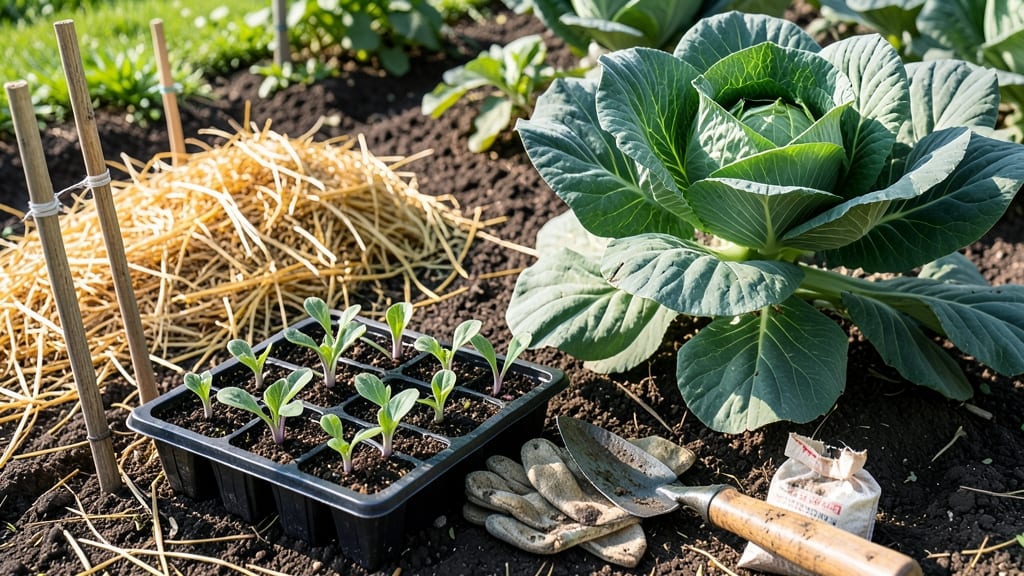
Planting cabbage in North Carolina at the wrong time can mean bitter disappointment—your 🥬 heads might bolt before maturing or wilt under unexpected frost. The key to success lies in understanding your local frost dates and heat patterns, which vary dramatically from the mountains to the coast.
If you're in USDA zones 7a-8b, timing is everything: plant too early, and heat triggers bolting; too late, and frost ruins your crop. I’ll break down the exact windows for spring and fall planting, so you can avoid these common mistakes and enjoy homegrown cabbage all season long.
For spring plantings, start seeds indoors 4-6 weeks before your last frost date (typically mid-March), while fall crops need to hit the soil by early August to mature before winter chills arrive. Let’s dive into the specifics so you can plan like a pro.
Whether you’re a first-time gardener or a seasoned grower, these deadlines will help you maximize your harvest—no more guessing, just guaranteed results. Ready to get started?
North Carolina cabbage planting deadlines by county: avoid bolting and frost damage
North Carolina’s USDA zones 7a-8b create a unique growing environment for cabbage, but timing is critical to avoid bolting or frost damage.
The state’s last spring frost typically occurs between March 15 and April 15, while the first fall frost arrives between November 1 and November 30, depending on your county. These deadlines ensure your cabbage matures before extreme temperatures strike.
For spring planting, aim to sow seeds 4-6 weeks before your last frost date. In fall, start seeds 10-12 weeks before the first frost to guarantee a harvest before winter sets in.
Coastal regions like Dare County have later frost dates, while mountain counties like Haywood face earlier freezes—always adjust for your microclimate.
Here’s how to use this timeline: If you’re in Wake County, your last frost is around March 25, so plant spring cabbage by February 25.
For fall cabbage, start seeds by August 15 to harvest before the November 15 frost. Miss these windows, and you risk bitter-tasting bolting or frost-killed plants.
🌱
| County | Last Spring Frost | First Fall Frost | Spring Planting Window | Fall Planting Window |
|---|---|---|---|---|
| Dare | April 15 | November 25 | March 15 - April 15 | August 1 - September 1 |
| Wake | March 25 | November 15 | February 25 - March 15 | July 30 - August 15 |
| Haywood | March 10 | November 5 | February 10 - March 1 | July 15 - August 1 |
| Cumberland | March 20 | November 10 | February 20 - March 10 | July 25 - August 10 |
| Durham | March 22 | November 12 | February 22 - March 12 | July 28 - August 12 |
*Adjust dates by 1-2 weeks for mountain vs. coastal regions.
Soil temperature is another critical factor. Cabbage seeds germinate best in soil that’s 45-85°F. Use a soil thermometer to check—if temperatures dip below 45°F, wait or use row covers to protect seedlings.
In USDA zone 7a (e.g., Asheville), soil warms slower, so start seeds indoors 4-6 weeks before transplanting.
For succession planting, sow new seeds every 2-3 weeks during spring and fall to ensure a continuous harvest. This works especially well for fast-maturing varieties like ‘Golden Acre’, which matures in just 60 days.
Space seeds 18-24 inches apart to prevent disease and allow heads to form properly.
Watch for bolting signs: elongated stems, yellowing leaves, or flower stalks. Heat stress or long daylight hours trigger bolting, so choose heat-tolerant varieties for summer planting. If you notice bolting, harvest immediately or use the leaves in cooked dishes before the head becomes bitter.
In coastal NC, humidity can promote fungal diseases like downy mildew. Improve airflow by spacing plants properly and avoid overhead watering. Mulch with straw or shredded leaves to retain moisture and regulate soil temperature, reducing stress on your cabbage.
💧
How to calculate your local cabbage planting window: step-by-step guide
Determining the perfect planting window for cabbage in North Carolina isn’t just about memorizing dates—it’s about understanding your microclimate. Coastal areas like Wilmington have milder winters, while the mountains near Asheville experience earlier frosts.
I’ll walk you through a foolproof method to calculate your exact planting dates using historical frost data and soil temperature guidelines.
Start by identifying your last frost date (typically March 15 for most of NC) and first frost date (around November 15). Use these as your anchors. For spring plantings, count backward 4-6 weeks from your last frost date to determine when to start seeds indoors.
For fall crops, count backward 10-12 weeks from your first frost date to ensure maturity before winter arrives.
Next, check your soil temperature—cabbage thrives when soil is at least 45°F (7°C). Use a soil thermometer or local weather reports to confirm. If your soil is too cold, delay planting until conditions improve.
This step is critical in NC’s USDA zones 7a-8b, where temperature fluctuations can disrupt growth.
🌱 Step-by-Step Planting Timeline
- Step 1: Find your last frost date (use Almanac’s frost calculator)
- Step 2: Subtract 6 weeks for spring seed starting (e.g., March 15 - 6 weeks = February 1)
- Step 3: Transplant seedlings 2-3 weeks before last frost (e.g., March 1)
- Step 4: For fall crops, subtract 12 weeks from first frost (e.g., November 15 - 12 weeks = August 15)
- Step 5: Verify soil temperature is ≥45°F before planting
Don’t forget to account for succession planting—space out your sowings every 2-3 weeks in spring and fall to ensure a continuous harvest. This works especially well in NC’s extended growing season, where you can enjoy cabbage from late spring through fall.
Pro tip: Use shade cloth in summer to protect seedlings from heat stress, which can trigger bolting. This is especially useful in NC’s humid climate, where high temperatures can disrupt growth patterns. Adjust your planting schedule if you notice early signs of stress in your plants.
Finally, keep a gardening journal to track your local conditions. Note any deviations from typical frost dates or soil temperatures—this will help you refine your planting strategy year after year. With these steps, you’ll avoid the common pitfalls of bolting and frost damage, ensuring a bountiful cabbage harvest every season.