
Plants
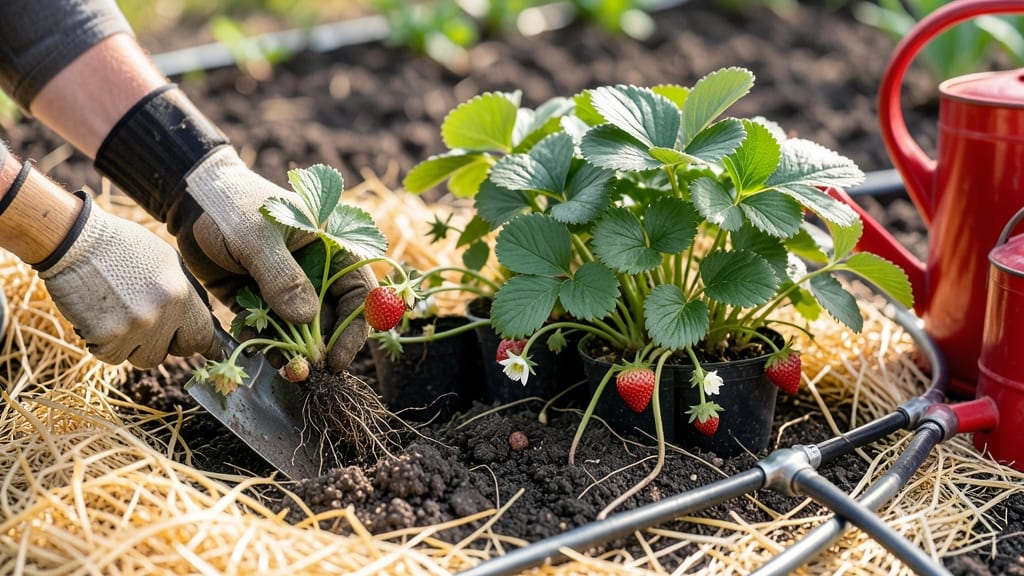
Knowing when to plant strawberries in Zone 8 can mean the difference between a bountiful harvest and a disappointing one. With the right timing, you can enjoy sweet, juicy 🍓 berries from late spring through early summer—no matter whether you're in Southern California or Florida.
The key to success lies in understanding your local microclimate and choosing between two ideal planting windows: early spring or fall. Planting in February-March gives your strawberries time to establish roots before summer heat arrives, while fall planting in September-October helps them develop strong root systems before winter dormancy.
Whether you're a seasoned gardener or just starting out, getting the timing right is the most important factor for healthy plants and maximum yields.
I'll show you exactly how to avoid common mistakes like late frosts or summer stress, so you can enjoy strawberries that are as perfect as they are delicious.
Let's dive into the perfect planting schedule tailored for Zone 8's unique climate—because with the right approach, you can enjoy homegrown strawberries for months to come.
Best planting windows for strawberries in Zone 8: fall vs spring breakdown
Zone 8 gardeners enjoy extended growing seasons and mild winters—perfect conditions for strawberries. But timing your planting is critical to avoid frost damage or summer heat stress. The ideal windows are early spring and fall, each offering unique advantages for your strawberry patch.
Spring planting (February-March) gives your berries 6-8 weeks to establish roots before summer heat arrives. Fall planting (September-October) allows plants to root deeply before winter dormancy, often producing earlier harvests the following spring. Let’s compare both approaches to help you decide which works best for your Zone 8 microclimate.
⚠️ NON-NEGOTIABLE: Always check your last frost date (typically mid-February in Zone 8) and first frost date (late November) for your specific location. Planting too early risks frost damage, while late planting may stress young plants.
For spring planting, aim to get your strawberries in the ground 4-6 weeks before your last frost date.
This gives roots time to establish before summer heat arrives. June-bearing varieties planted in spring will reward you with a heavy harvest in late spring, while everbearing varieties may produce smaller crops twice a year.
Fall planting is my top recommendation for Zone 8 gardeners. Planting in September-October allows strawberries to develop strong roots before winter dormancy. These plants often outperform spring-planted berries by producing larger, earlier harvests the following spring. Plus, fall-planted strawberries have less competition from weeds and pests.
If you’re in a cooler microclimate (like higher elevations in Zone 8), consider late winter planting (January-February) for June-bearing varieties. This delayed timing helps avoid late frost risks while still allowing a full growing season. Always monitor weather forecasts and adjust your planting timeline accordingly.
Regardless of when you plant, soil preparation is non-negotiable. Strawberries thrive in well-draining, slightly acidic soil (pH 5.5-6.5).
Amend your soil with compost or aged manure 2-3 weeks before planting to ensure optimal growing conditions. Mulching with straw or pine needles helps retain moisture and protect roots from temperature swings.
Pro tip: If you’re planting in containers or raised beds, use a lightweight potting mix with added perlite or sand for drainage. Container-grown strawberries often ripen faster in Zone 8’s warm climate, so be prepared for an earlier harvest than in-ground plants.
Remember, timing isn’t everything—but it’s 90% of the battle when growing strawberries in Zone 8. Combine the right planting window with proper soil prep, mulching, and variety selection, and you’ll be enjoying homegrown berries for months.
Best planting windows for strawberries in Zone 8: fall vs spring breakdown
Zone 8 gardeners enjoy a long growing season and mild winters, but strawberries still need precise timing to thrive. The two best windows are early spring (February-March) and fall (September-October), each with distinct advantages depending on your microclimate and variety.
Spring planting gives strawberries 6-8 weeks to establish roots before summer heat arrives, while fall planting allows them to root deeply before winter and produce an early harvest. Both methods work—but the wrong timing can lead to frost damage or heat stress.
Spring vs. Fall Planting Comparison
| Factor | Spring Planting (Feb-Mar) | Fall Planting (Sep-Oct) |
|---|---|---|
| Ideal Temperature | 50-60°F | 60-70°F |
| Soil Prep Time | 4-6 weeks before planting | 6-8 weeks before frost |
| Establishment Time | 6-8 weeks | 8-10 weeks |
| Harvest Window | Late spring-early summer | Early spring (next year) |
| Best For | June-bearing varieties | Everbearing & day-neutral |
Note: Adjust timing 1-2 weeks based on your last/first frost dates.
For spring planting, aim to get plants in the ground 4-6 weeks before your last frost date (typically mid-February in most of Zone 8). This gives roots time to establish before summer heat peaks. In Southern California, you can plant as late as March due to milder winters.
Fall planting is ideal for everbearing varieties like Seascape or Albion, which produce fruit in both spring and fall. Plant 8-10 weeks before your first frost (usually September-October), allowing roots to develop before winter dormancy. Mulch heavily to insulate roots and prevent frost heave.
Regardless of season, always test soil pH (aim for 5.5-6.5) and amend with compost before planting. Strawberries are shallow-rooted, so rich topsoil is critical for optimal fruit production.
Pro tip: If you live in hot inland areas (e.g., Phoenix), opt for fall planting to avoid summer heat stress. Coastal Zone 8 areas (e.g., San Diego) can handle spring planting later into March.