
Plants
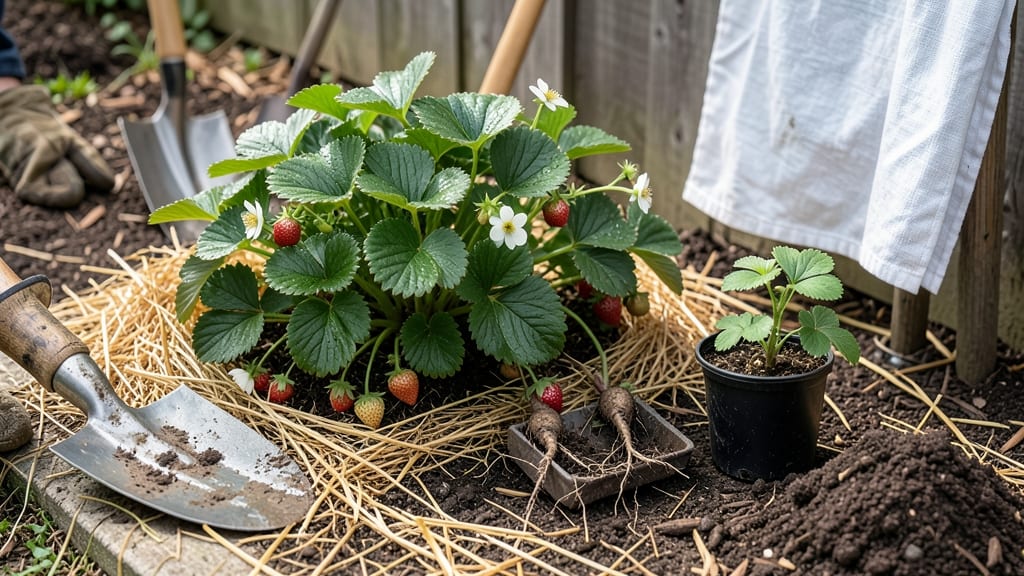
If you’ve ever planted strawberries in Florida only to watch them bolt before producing sweet 🍓 fruit, you’re not alone—timing is everything in this state’s tricky climate.
The best time to plant strawberries here isn’t just a one-size-fits-all answer; it depends on your microclimate, whether you’re in frost-prone North Florida or the frost-free South.
For most gardeners in zones 8a-11, fall and winter offer the ideal window to plant strawberries, when cooler temperatures slow bolting and encourage strong root growth. But heat-tolerant varieties can also thrive when planted in spring, avoiding the pitfalls of summer’s relentless sun.
Let’s break down the exact months that work best for your region—and how to set your strawberries up for a bumper harvest.
What you’ll discover here goes beyond just picking a month—it’s about understanding Florida’s unique growing conditions. We’ll cover soil prep, variety selection, and even how to protect your plants from sudden freezes or scorching heat.
Whether you’re a first-time grower or a seasoned gardener, these insights will help you avoid common mistakes and maximize your strawberry yield.
Ready to turn your Florida garden into a strawberry paradise? Let’s get started with the precise planting schedule and tips tailored just for you.
Florida microclimate zones: exact planting windows by region to avoid bolting
Florida’s climate is famously diverse, and strawberries hate inconsistency—especially premature bolting (when plants flower too early). The key to success lies in understanding your microclimate zone and planting during its optimal temperature window. North Florida’s cooler winters demand early fall plantings, while South Florida’s heat thrives with spring starts.
Each region has specific temperature thresholds that trigger bolting: below 75°F in winter or above 85°F in summer. Timing your planting to avoid these extremes ensures maximum yield and sweet berries instead of bitter disappointment.
🌱 Did You Know? Florida’s Highlands region (USDA Zone 8a) has the shortest frost-free window for strawberries, while the Everglades (Zone 11) allows year-round planting with proper shade.
| Region | USDA Zone | Best Planting Window | Temperature Threshold | Key Risk |
|---|---|---|---|---|
| North Florida (Panhandle, Jacksonville) | 8a-9a | October–December | 50°F–75°F | Late freezes (Dec–Jan) |
| Central Florida (Orlando, Tampa) | 9a-10a | November–January | 60°F–80°F | Heat stress (summer bolting) |
| South Florida (Miami, Fort Lauderdale) | 10b-11 | January–March or September–October | 70°F–85°F | Humidity + fungal diseases |
| Florida Highlands (Lakeland, Ocala) | 8a | September–November | 45°F–70°F | Bolting from heat spikes |
| Panhandle (Pensacola, Tallahassee) | 8b-9a | October–December | 55°F–75°F | Salty soil (coastal areas) |
⏰ Pro Tip: Use shade cloth in summer to keep soil temps below 85°F and prevent bolting.
For North Florida, aim to plant bare-root strawberries in October to establish roots before winter. The soil should stay above 50°F to avoid dormancy issues. In Central Florida, November plantings give plants time to root before the spring heat hits.
South Florida gardeners have two prime windows: January–March for cooler weather and September–October to escape the worst summer heat. Everbearing varieties like ‘Florida Bright’ thrive here with partial shade during peak sun hours.
If you’re in the Highlands, where nights can dip into the 40s°F, opt for June-bearing varieties planted in September. These mature faster and produce one massive harvest before summer heat arrives.
🌡️ Watch for: Florida’s microbursts can drop temps 20°F in hours. Use row covers in North Florida during December–February to protect plants from unexpected freezes.
For container growing (popular in urban areas), plant potted strawberries in October–November regardless of region. Containers warm faster, so mulch heavily to insulate roots and maintain consistent moisture.
💡 Harvest Hack: In South Florida, plant staggered batches every 4 weeks from January–March to extend your harvest through May–June.
How to adjust planting for Florida’s unpredictable weather: heat waves, freezes, and rainy seasons
Florida’s weather can shift from scorching heat to unexpected freezes in days, making strawberry planting a delicate balance. Unlike cooler climates, you can’t just follow a calendar—you must adapt to your local conditions. For example, North Florida’s December freezes can kill young plants, while South Florida’s summer humidity accelerates disease.
The key is flexibility: staggered plantings, protective measures, and smart timing can turn Florida’s chaos into your strawberry garden’s advantage.
Start by monitoring your local weather forecasts for the week before planting. If a cold snap is predicted, delay until temperatures stabilize above 50°F (10°C). In South Florida, where frost is rare, focus on avoiding midday heat stress—plant in early morning or late afternoon to reduce shock.
Even a few degrees can mean the difference between thriving plants and bolted disappointment.
🚨 : callout-warning 🚨
⚠️ Florida Weather Pitfalls to Avoid
- Freeze Risk (North/Central FL): Temperatures below 28°F (-2°C) can kill plants instantly.
- Heat Stress (Summer): Soil temps above 90°F (32°C) cause root burn.
- Fungal Outbreaks: Heavy rain + high humidity = gray mold or powdery mildew.
- Bolt Risk: Warm nights (>70°F/21°C) trigger premature flowering.
Solution:
Use row covers, mulch, or shade cloth to buffer extremes.
To extend your planting window, try staggered plantings every 2-3 weeks. This ensures a continuous harvest and reduces the risk of losing an entire crop to a single weather event.
For instance, plant one batch in October for a winter harvest, another in December for spring, and a final batch in February for summer. This strategy works especially well for everbearing varieties, which produce fruit in multiple flushes.
Mulching is your best friend in Florida’s erratic climate. Apply a 3-inch layer of straw or pine needles to retain moisture during dry spells and insulate roots from temperature swings. In summer, mulch also blocks soil-borne diseases by keeping fruit off the ground.
For extra protection during freezes, drape frost cloth over plants—even a light covering can raise temperatures by 5-10°F (3-6°C).
Don’t overlook the role of shade cloth during peak summer months. A 30-50% shade cloth reduces soil temperatures by up to 20°F (11°C)drip irrigation to keep leaves dry and minimize fungal risks. Consistency is key—strawberries hate wet foliage, so water at the base of plants in the morning.
Finally, choose your planting location wisely. Avoid low-lying areas where cold air pools during freezes, and opt for slightly elevated spots with good airflow to reduce humidity-related diseases. If you’re in a tropical zone (10a-11), prioritize afternoon shade to protect plants from the harshest sun.
With these adjustments, you’ll turn Florida’s unpredictable weather into an advantage, ensuring your strawberries thrive year-round.