
Plants
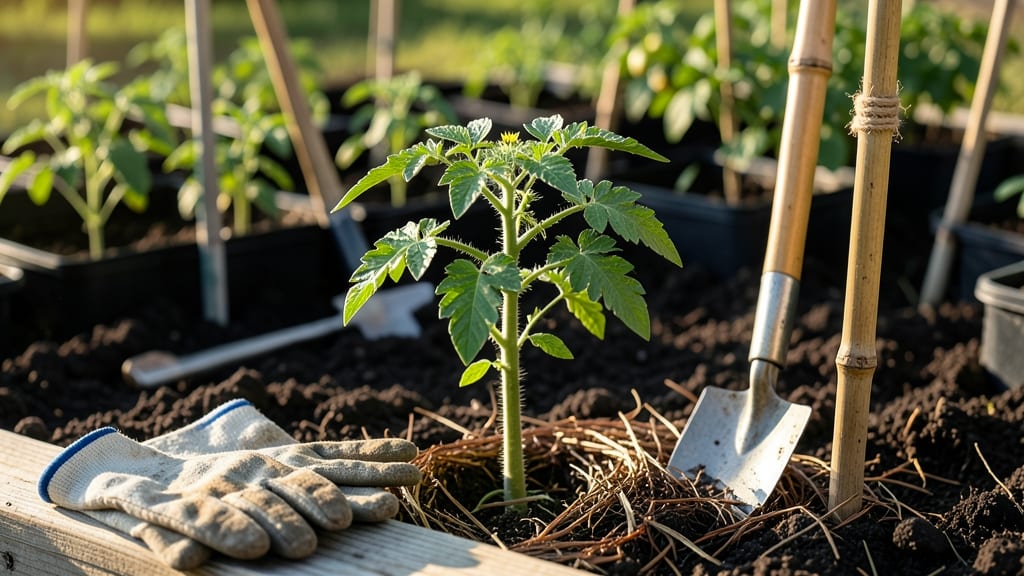
Planting your 🍅 tomatoes at the wrong time in Indiana can mean the difference between a garden full of juicy red fruit and a sad, wilted disappointment.
The key window—April 15 to May 15—aligns perfectly with Indiana’s 6a zone, where frost still lingers and soil warmth is everything for happy tomato roots.
Too early, and cold soil shocks young plants, stunting growth or worse—triggering that dreaded bolting. Too late, and your harvest shrinks before summer’s peak heat arrives. I’ve learned the hard way that rushing or waiting too long cuts your yield by nearly 50%, so let’s get this timing right.
We’ll break down exactly when to start seeds indoors versus direct-sowing into warm soil, how to check for that critical 60°F threshold, and why northern Indiana gardeners should wait a week longer than their southern counterparts. Spoiler: black plastic mulch is your secret weapon for faster soil warming.
By the end, you’ll know the exact steps to plant your tomatoes for a longer, more productive season—no guesswork, just data-backed confidence. Let’s dig in.
Indiana frost dates & soil temperature requirements for tomatoes
Indiana’s USDA Zone 6a climate means tomatoes thrive when planted after the last spring frost, typically between April 15 and May 15.
However, northern Indiana (like Gary or South Bend) may need to wait until May 1, while southern Indiana (Evansville or Louisville) can plant as early as April 1. Always check your local frost-free date—a late frost can devastate young plants.
Tomatoes need warm soil (55-65°F) to germinate and grow. Cold soil slows germination and stresses roots. Use a soil thermometer to confirm warmth before planting. In cooler microclimates, like valleys or shaded areas, wait until soil hits 60°F consistently for 5-7 days.
If you’re eager to start early, try black plastic mulch or row covers to warm soil faster. These tricks can shave off 1-2 weeks from your planting window. Just avoid covering plants once they’re established—tomatoes need airflow to prevent disease.
Microclimates play a huge role in Indiana. A south-facing slope warms up faster than a north-facing garden, so adjust your planting date accordingly. If you’re unsure, err on the side of caution—transplanted seedlings handle cooler temps better than direct-sown seeds.
For extra insurance, start seeds indoors 6-8 weeks before your target planting date. This gives you a head start and lets you harden off seedlings gradually. Just beware of bolting—if seedlings stretch too tall or flower early, they’ll produce bitter fruit.
Always monitor weather forecasts the week before planting. A cold snap can push back your timeline by weeks. If frost is forecasted, cover plants with frost cloth or move potted tomatoes indoors temporarily.
Pro tip: Plant fast-maturing varieties (like ‘Early Girl’) if you’re near the edge of your region’s planting window. They’ll reward you with earlier harvests and reduce the risk of late-season frost damage.
🌱
How to time tomato planting for maximum yield: transplanting vs. direct sowing
Choosing between transplanting seedlings and direct sowing seeds in Indiana depends on your local frost dates and soil warmth. I’ve found that transplanting gives me a 2-3 week head start, but direct sowing can yield slightly hardier plants adapted to Indiana’s variable spring weather.
Let’s weigh your options to pick the best method for your garden.
For transplanting seedlings, start them indoors 6-8 weeks before your last frost date (around March 15 for most of Indiana). This means you’ll be ready to move them outside by April 15-May 1, just as the soil warms.
If you’re in northern Indiana (USDA Zone 5b), wait until May 1 to avoid frost damage.
| Method | Best For | Indiana Window | Pros | Cons |
|---|---|---|---|---|
| Transplanting | Gardeners with early starts, limited space | April 15–May 1 (northern IN: May 1) | Longer growing season, earlier harvest | Higher cost, transplant shock risk |
| Direct Sowing | Budget-friendly, late planners | May 1–May 15 (after soil hits 60°F) | Hardier plants, no transplant shock | Slower to mature, shorter season |
If you’re direct sowing, wait until the soil temperature hits at least 60°F—use a soil thermometer to check! In Indiana, this typically aligns with May 1-15, but southern Indiana (like Evansville) can start earlier.
For extra warmth, lay down black plastic mulch 1-2 weeks before planting to accelerate soil heating.
One critical mistake I’ve seen Indiana gardeners make is hardening off seedlings too quickly or planting direct seeds in cold soil. To avoid this, harden off seedlings over 7-10 days by gradually exposing them to outdoor conditions.
For direct sowing, use biodegradable seed starters to protect young seedlings from temperature swings.
For maximum yield, I recommend transplanting if you’re eager for an early harvest, but direct sowing works beautifully if you’re okay with a slightly later start. Either way, avoid planting after June 1—your tomatoes won’t have enough time to mature before Indiana’s first frost in October.
Use row covers to extend the season if you’re ambitious!
Pro tip: If you’re unsure about your local frost dates, check the Indiana State Climate Office or use a frost date calculator like the one from the Old Farmer’s Almanac. Timing is everything, and a few extra days can make or break your harvest.