
Plants
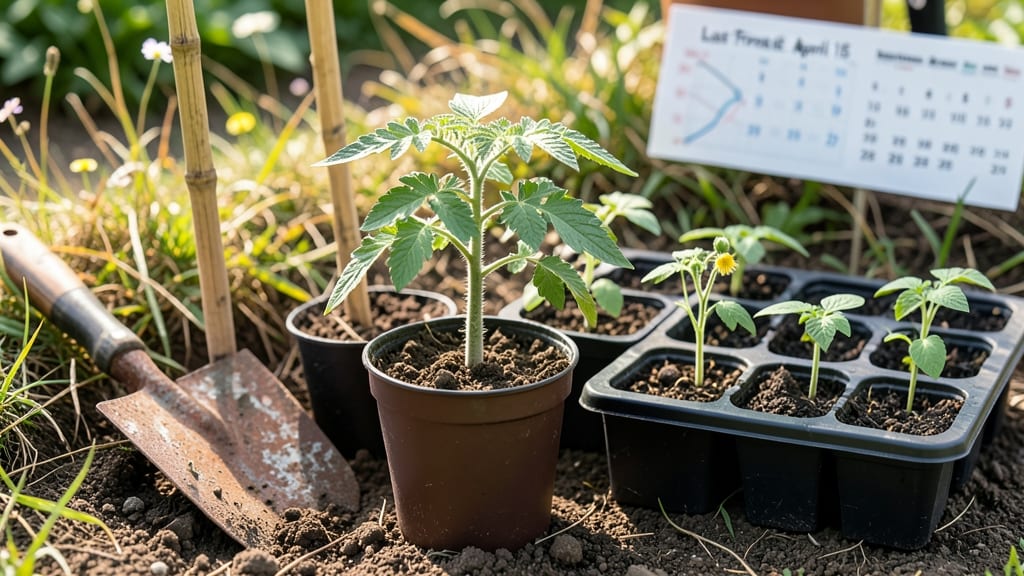
Knowing when to plant tomatoes in Washington State can make or break your harvest—especially with the region’s tricky frost dates and diverse microclimates. One wrong move, and you might end up with sad, stunted plants instead of juicy, vine-ripened 🍅 goodness.
Washington State spans USDA zones 6b-8b, meaning frost-free dates vary wildly—from mid-April in the Puget Sound to early May in Eastern WA. Plant too early, and a late frost could wipe out your seedlings; too late, and your harvest shrinks before fall’s first chill.
The key? Timing it right to maximize your growing season.
I’ll break down the exact planting windows for your zone, plus pro tips to protect your tomatoes from surprise frosts. Whether you’re a first-time gardener or a seasoned grower, these strategies will help you avoid common mistakes and get the most out of your garden.
Ready to turn your tomato dreams into a bountiful reality? Let’s dive into the perfect planting schedule for your corner of Washington—because every day counts when it comes to growing 🍅.
Washington State tomato planting deadlines by USDA hardiness Zone (frost-free date guide)
Washington State’s diverse microclimates mean your tomato planting timeline depends heavily on your USDA zone and local frost patterns. The Puget Sound region (Zone 8a-8b) has later last-frost dates than Eastern WA’s Zone 6b-7a, while the Columbia Basin (Zone 7a-7b) falls somewhere in between.
Getting these dates wrong can turn your $3 tomato plants into frost-damaged sad sacks.
For safe tomato planting, aim to sow seeds 6-8 weeks before your average last frost date. In Washington, this typically means starting seeds indoors in late February to early March for most regions.
Transplanting outdoors should happen 2-3 weeks after your last frost date, when soil temperatures consistently stay above 60°F.
Here’s the critical frost-free planting window broken down by Washington’s key regions, including buffer periods to account for late frosts. Always check your local USDA Plant Hardiness Zone Map for precise guidance.
| Region | USDA Zone | Avg. Last Frost Date | Safe Planting Window | Indoor Start Date |
|---|---|---|---|---|
| Puget Sound (Seattle, Bellingham) | 8a-8b | April 15-May 1 | May 10-June 1 | Late Feb-Early March |
| Western WA (Olympia, Tacoma) | 7b-8a | April 1-May 10 | April 25-May 25 | Late Feb-Mid March |
| Eastern WA (Spokane, Wenatchee) | 6b-7a | May 1-May 15 | May 20-June 10 | Early March-Mid March |
| Columbia Basin (Yakima, Pasco) | 7a-7b | April 25-May 10 | May 15-June 5 | Late Feb-Mid March |
🌱 Pro Tip: Add 1-2 weeks to these dates if your garden sits in a low-lying area or near water.
If you’re planting from seed, start indoors under grow lights 6-8 weeks before your last frost date. Use biodegradable pots to avoid transplant shock when moving seedlings outdoors.
For transplants, buy hardened-off seedlings from a local nursery 1-2 weeks before your target planting window to give them time to adjust.
Washington’s short growing season (typically 150-200 frost-free days) demands smart planning. Choose fast-maturing varieties (like 'Early Girl' or 'Stupice') if you’re in Zone 6b, where the season is tightest.
In Zone 8b, you can afford slightly slower varieties like 'Brandywine' or 'Cherokee Purple', but plant them early to maximize harvest time.
Always monitor your local weather forecasts in the weeks leading up to planting. A late frost can wipe out tender seedlings, so have row covers ready to protect young plants if temperatures dip unexpectedly.
In Eastern WA, where nights can still be chilly in May, consider using black plastic mulch to warm the soil faster and give your tomatoes a head start.
For container gardening, plant your tomatoes 1-2 weeks later than in-ground plants. Containers warm up more slowly and dry out faster, so wait until soil temperatures are consistently above 65°F before transplanting. Use self-watering pots to maintain consistent moisture, which is critical for tomato success.
Remember: Soil temperature matters more than air temperature. Use a soil thermometer to confirm your garden bed is ready—tomatoes won’t thrive in cold soil, even if daytime temps are warm. Aim for 60°F+ at a 4-inch depth before planting.
🌿 Key Takeaway: Puget Sound gardeners can plant tomatoes as early as late April, while Eastern WA growers should wait until mid-M
Best tomato varieties for Washington State’s climate (early vs late planting)
Washington State’s short growing season and cool nights demand the right tomato varieties to thrive. Early-maturing types like 'Early Girl' (55 days) or 'Stupice' (50 days) are my go-tos—they beat the first frost while still delivering sweet, flavorful fruit.
These varieties handle cooler temps better than heat-lovers like 'Sungold', which need consistent warmth to set fruit.
For late-season harvests, opt for indeterminate types like 'Brandywine' or 'Cherokee Purple'. They produce fruit all season long but need sturdy trellises to support their weight. Plant these after Memorial Day in most zones to avoid early blooms freezing.
If you’re in Zone 8b (Columbia Basin), you can push the envelope with 'Celebrity' (65 days) or 'Roma' (70 days) for a fall harvest.
🌱 Pro Tip: Always check your last frost date and adjust planting windows. For example, Puget Sound gardeners can plant 'Mountain Merit' (60 days) as early as mid-April, while Eastern WA growers should wait until late May for the same variety to avoid frost damage.
🌱 Washington State Tomato Varieties by Planting Time
| Variety | Days to Harvest | Best Planting Window | Notes |
|---|---|---|---|
| Early Girl | 55-60 | Mid-April to May 1 | Cold-tolerant, great for Puget Sound |
| Stupice | 50-55 | Late April to early May | Disease-resistant, early harvest |
| Mountain Merit | 60-65 | Late April to May 15 | Blight-resistant, reliable |
| Brandywine | td style="padding: 8px; border: 1px solid #2D5A3D;">80-90Late May to early June | Heirloom, needs long season | |
| Sungold | 60-65 | Late May to June 1 | Sweet, needs warmth |
If you’re starting seeds indoors, begin with fast-maturing varieties like 'Tiny Tim' (45 days) or 'Patio Princess' (50 days) 6-8 weeks before your last frost date. These dwarf varieties are perfect for containers and small spaces, and they’ll reward you with early tomatoes when fresh produce is scarce.
For container gardening, prioritize determinate varieties like 'Roma' or 'Celebrity'. They stay compact and produce fruit in clusters, making them ideal for balconies or patios. Just ensure your pots are at least 12 inches deep and use a lightweight potting mix to prevent root stress.
🌿 Remember: Washington’s cool nights can stunt tomato growth, so choose varieties labeled "cold-tolerant" or "early-maturing". Pair your selections with season-extending tools like row covers or cold frames to maximize your harvest—because in WA, every extra day counts! ☀️