
Plants
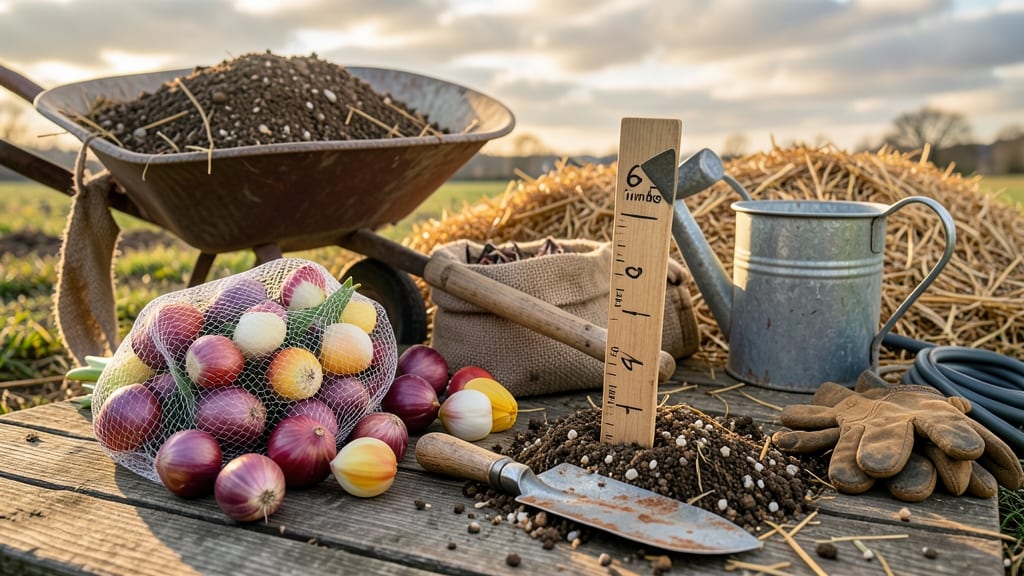
Planting tulip bulbs in Texas might seem impossible—after all, these cold-loving 🌷 beauties need winter chill to bloom. But here's the game-changer: with the right timing and a few clever tricks, you can grow vibrant tulips even in our warm climate.
Texas gardeners face a unique challenge because our mild winters often don't provide enough chill hours. The key is planting bulbs 4-6 weeks before the first frost—typically between October and December—when soil temperatures drop but haven't frozen solid.
This window gives roots time to establish before winter sets in.
Don't let the heat fool you—tulips thrive in Texas with proper preparation. I'll show you how to choose the right varieties, pre-chill bulbs if needed, and protect them from our unpredictable winters.
By following these steps, you'll be rewarded with stunning spring blooms that prove Texas can indeed be tulip country.
Ready to transform your garden? Let's dive into the exact planting schedule for your specific Texas region and the chill-hour hacks that make it all possible. Your spring color palette starts now!
Texas tulip planting timeline: chill-hours breakdown by region
Texas gardeners face a unique challenge with tulips—they need 12-16 weeks of cold temperatures below 40°F to bloom, but our winters rarely deliver. The key is understanding your chill-hour zone and adjusting planting times accordingly.
North Texas typically gets 700+ chill-hours, while Central Texas averages 500-700, and South Texas often falls below 500 chill-hours. This means timing varies dramatically across the state.
For gardeners in North Texas (Zones 7b-8a), where winters are cooler, the ideal planting window is mid-October to early December. This gives bulbs enough time to root before the ground freezes. In Central Texas (Zones 8a-8b), plant between late October and mid-November to maximize chill exposure.
South Texas gardeners (Zones 8b-10b) should focus on November planting, often using chill-hour hacks to compensate for milder winters.
Here’s the breakdown of your regional chill-hour needs and corresponding planting windows:
| Region | Chill-Hours | Planting Window | Soil Temp Goal |
|---|---|---|---|
| North Texas | 700+ | Mid-October to early December | 40-50°F |
| Central Texas | 500-700 | Late October to mid-November | 45-55°F |
| South Texas | <500 | November (with chill hacks) | 50-60°F |
In North Texas, where winters are cooler, tulips can often bloom reliably without extra tricks. Plant bulbs 6-8 inches deep and 4-6 inches apart in well-draining soil. The goal is to get them rooted before the first frost, which typically hits between November 15 and December 15.
Use a soil thermometer to confirm temperatures are consistently below 50°F—this signals it’s time to plant.
Central Texas gardeners should prioritize late October planting to capture the brief cold snaps. If your area experiences an early frost, opt for hardy varieties like Darwin Hybrids, which tolerate slightly warmer conditions.
Always amend your soil with compost or sand to improve drainage, as Texas clay can suffocate bulbs. Mulch with straw or pine needles after planting to insulate roots during temperature swings.
South Texas presents the biggest challenge, with fewer than 500 chill-hours in most years. Without intervention, tulips may not bloom—or they’ll produce weak stems. This is where chill-hour hacks (like pre-chilling bulbs in the fridge) become essential.
Start by planting in early November and combine this with one of the forcing methods we’ll cover in the next section. Even with these tricks, expect smaller blooms or shorter stems in warmer zones.
Regardless of your region, always plant tulips in full sun locations with 6+ hours of direct sunlight daily. Avoid low-lying areas where cold air pools, as this can cause frost damage.
If your yard has partial shade, choose dwarf varieties like 'Kaufmanniana' or 'Greigii'—they tolerate less light better than standard tulips.
Pro tip: Mark your planting spots with stakes or flags so you don’t accidentally dig up bulbs when spring arrives. Tulips need 6-8 weeks of warm weather after blooming to recharge their bulbs for next year. If you cut back foliage too soon, you’ll sacrifice next season’s flowers.
Remember, Texas tulips thrive on patience and preparation. The earlier you plant in your region’s window, the better your chances of vibrant spring blooms. With the right timing and a few chill-hour strategies, you can enjoy tulips even in our warm climate!
Chill-hour hacks: forcing tulips in Texas without winter cold
Texas winters rarely deliver the 12-16 weeks below 40°F tulips need to bloom, but don't give up! With these chill-hour hacks, you can trick your bulbs into thinking they've experienced winter. The most reliable method is pre-chilling bulbs in your refrigerator for 8-12 weeks before planting.
This mimics natural winter conditions and significantly improves bloom success, especially in Central and South Texas where chill-hours are scarce.
Here's how to pre-chill tulip bulbs for Texas gardens: Place dry bulbs in a paper bag with a few holes punched in it, then store them in your fridge's crispier drawer (around 35-40°F) for 8-12 weeks.
This cold treatment satisfies the chill requirement. After pre-chilling, plant immediately to avoid drying out. For best results, combine this with November planting to maximize natural cold exposure.
🌱
Step-by-Step Chill-Hour Hack
- 📅 Start 8-12 weeks before planting (typically September-October for November planting)
- 🥬 Place bulbs in a paper bag with ventilation holes
- 🧊 Store in fridge crispier drawer at 35-40°F for 8-12 weeks
- 🌱 Plant immediately after chilling in well-draining soil
- 🌡️ Monitor soil temps - aim for 50-60°F at planting
- 🌿 Mulch heavily with straw or pine straw to retain moisture
For gardeners who prefer outdoor methods, cold frames offer an excellent solution. Build or purchase a cold frame and place it over your planted bulbs in late fall. The frame traps heat during the day while allowing cold air to circulate at night, creating the temperature fluctuations tulips need.
This works particularly well in Central Texas where winters are mild but have occasional cold snaps. Add a thermometer to monitor temperatures and open the frame on warm days to prevent overheating.
Another effective technique is winter mulching. After planting bulbs in November, cover them with a 4-6 inch layer of straw or leaves. This insulation helps maintain cooler soil temperatures and protects bulbs from freeze-thaw cycles. In South Texas, combine this with pre-chilling for even better results.
If you're short on time, consider container forcing for indoor blooms. Plant bulbs in pots in November, place them in a dark, cool location (like a garage) for 6-8 weeks, then move to a sunny window. This creates forced blooms by early spring. While not as dramatic as garden-grown tulips, this method guarantees indoor color when outdoor blooms may fail. For best results, use smaller bulbs (like 'Kaufmanniana') that force more reliably in containers.
No matter which method you choose, patience is key. Texas tulips may take 1-2 years to establish fully, but with these chill-hour strategies, you'll see reliable blooms that prove our warm climate isn't a barrier.
The secret is combining proper timing with one of these forcing techniques to give your bulbs the cold exposure they crave. With a little extra effort, you'll enjoy vibrant tulips that brighten your Texas garden year after year!