
Plants
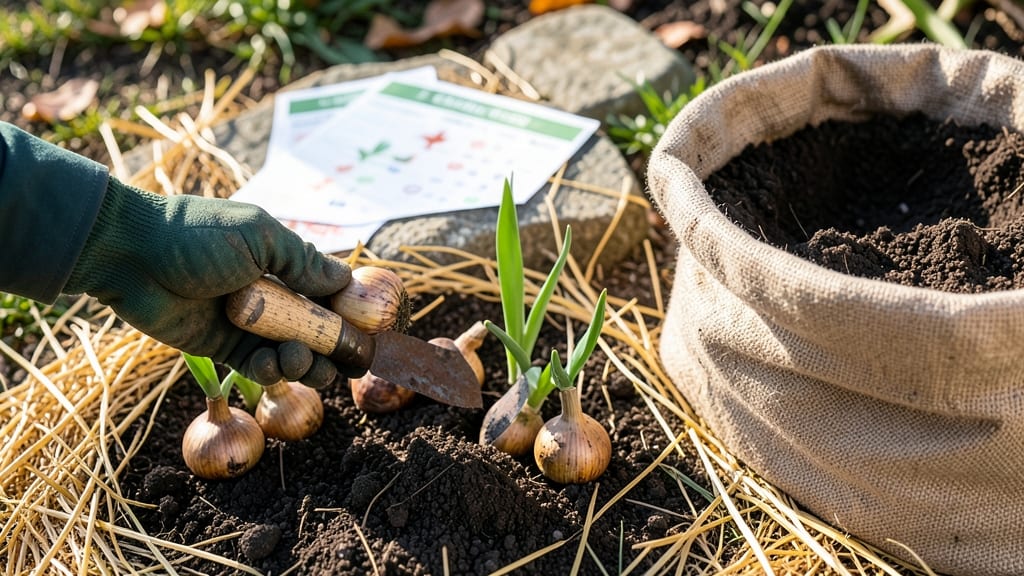
Planting tulips in Minnesota isn’t just about timing—it’s about outsmarting the 4a-5b winters that can turn your bulbs into a frozen gamble. The right window ensures those vibrant 🌷 blooms will greet you next spring, not disappear under snow.
Most gardeners swear by fall planting, but spring options exist too—if you know the tricks to beat frost.
Here’s the secret: September and October are your golden months, when soil temps drop but the ground stays workable. Planting bulbs 6-8 inches deep by mid-October gives roots time to establish before winter sets in.
But what if you missed that window? Don’t panic—spring planting still works, with adjustments for Minnesota’s unpredictable thaw.
Whether you’re a first-time gardener or a veteran of Zone 3-5 winters, this guide cuts through the guesswork. You’ll learn exactly when to plant, how to protect bulbs from early freezes, and which tulip varieties thrive here. Let’s make next year’s garden your most colorful yet.
Skip the trial-and-error and start with confidence. By the end, you’ll know not just when to plant, but how to ensure those tulips survive—and flourish—through Minnesota’s harshest months.
Minnesota tulip planting calendar by hardiness Zone (3-5) for spring blooms
Timing is everything when planting tulip bulbs in Minnesota’s Zone 3-5 climate. The 6-8 week window before your first hard frost is critical—aim for late September to mid-October in most regions. This schedule ensures bulbs establish roots before winter, so they’ll burst into bloom next spring.
For northern Minnesota (Zone 3), start as early as mid-September, while southern areas (Zone 5) can extend until late October.
Spring planting is possible too, but it’s riskier. If you miss fall, plant bulbs in early March before shoots emerge. They’ll need consistent moisture and protection from late frosts. I’ve planted tulips both ways—fall is foolproof, but spring can work if you’re proactive about care.
The key is soil temperature: bulbs need 40-50°F soil to root properly, which Minnesota hits in late September.
Here’s your Minnesota tulip planting calendar by zone, including soil temp targets and frost dates:
| Zone | Ideal Planting Window | Soil Temp Goal | First Frost Date | Bloom Time |
|---|---|---|---|---|
| Zone 3 (North MN) | Mid-September to early October | 40-50°F | Mid-October | Late May to June |
| Zone 4 (Central MN) | Late September to mid-October | 40-50°F | Late October | Early to mid-May |
| Zone 5 (South MN) | Late September to late October | 45-50°F | Early November | Mid-April to May |
🌷 Pro Tip: Use a soil thermometer to confirm temps—bulbs won’t root if soil is below 40°F.
For early spring blooms, plant Darwin hybrid tulips or fosterianas—they handle Minnesota’s cold best. If you’re in Zone 3, add 3-4 inches of mulch after planting to insulate bulbs. I’ve seen tulips survive -30°F with this protection! Just avoid piling mulch against bulb stems to prevent rot.
Spring planting works if you use larger bulbs (12+ size) and keep soil moist. Plant in early March when soil is workable, then water deeply every 10-14 days until shoots appear.
I’ve had success with this method in Zone 4, but it’s hit-or-miss in colder areas. For guaranteed results, stick to fall planting.
Don’t forget to fertilize in spring after shoots emerge. Use a balanced 5-10-10 fertilizer at 1 tbsp per 10 sq ft to fuel bloom production. I apply mine in early April when foliage is 4-6 inches tall. Over-fertilizing in fall can rot bulbs, so save it for spring!
If you’re planting in containers, use a well-draining mix with perlite and plant bulbs 6 inches deep. Containers warm up faster in spring, so they’re ideal for late-season varieties like Parrot tulips.
Just move pots to a protected spot before the first frost—my balcony tulips in Zone 4 thrive this way.
For late bloomers, like fringed tulips, plant in late September to avoid early frosts cutting their growth short. These varieties need the extra time to establish roots. I’ve planted ‘Black Parrot’ tulips this way and been rewarded with extra-long stems that hold up to Minnesota’s windy springs.
Finally, mark your calendar for next year’s planting using these dates. Consistency is key—tulips perform best when planted at the same time annually. My garden’s most reliable blooms come from bulbs planted in late September every year.
With this schedule, you’ll enjoy vibrant tulips from May through June, even in Minnesota’s tough climate!
How to adjust tulip planting for Minnesota’s unpredictable weather patterns
Minnesota’s weather is famous for its unpredictable swings, and tulips planted at the wrong time can end up as frozen casualties. The key to success? Flexibility and knowing how to adapt your planting strategy when Mother Nature throws curveballs.
Early freezes, late thaws, or even a sudden snowstorm can turn a perfect planting day into a disaster if you’re not prepared.
For example, if you’re in Zone 4a (northern MN) and temperatures drop unexpectedly in October, your bulbs might not get the 4-6 weeks of root establishment they need before the ground freezes.
On the flip side, a warm November could trick you into thinking it’s safe to plant late—only for a sudden freeze to follow. The solution? Learn to read the signs and adjust your timeline accordingly.
Here’s my pro tip: Always plant bulbs when soil temperatures are between 40°F and 50°F. Use a soil thermometer to check—this range gives roots time to grow without encouraging premature sprouting.
If the ground is already frozen, don’t force it. Instead, wait for spring or use straw mulch to insulate the soil and protect newly planted bulbs.
⚠️ Late Planting Warning
If you miss the fall planting window (by mid-October), don’t panic—but don’t plant in frozen ground. Instead, wait until early spring (March-April) when soil thaws. Plant bulbs 2-3 inches deeper than usual to protect them from late frosts. Cover with mulch or frost blankets until shoots emerge.
Another trick for Minnesota gardeners is to plant through snow cover if the ground is workable underneath. Use a shovel to cut through the snow and plant directly into the soil.
The snow acts as insulation, keeping the ground warmer than air temperature. Just make sure the soil beneath isn’t frozen solid—poke a stick in to test.
For those late bloomers who wait until spring, focus on planting in March or early April, once the soil is workable. Use a frost blanket or layer of mulch to shield bulbs from late frosts, which can still occur in Minnesota well into May.
Water lightly after planting to encourage root growth, but avoid overwatering—soggy soil in spring can lead to rot.
Finally, don’t underestimate the power of mulch. After planting in fall, cover the area with 4-6 inches of straw or leaves. This insulates the soil, regulates temperature, and prevents heaving (when bulbs are pushed out of the ground by freezing and thawing cycles).
In spring, remove the mulch once shoots emerge to allow sunlight to reach the foliage.
With these adjustments, you’ll turn Minnesota’s unpredictable weather into an advantage. Your tulips will thrive, no matter what the forecast throws at you. Happy planting!