
Plants
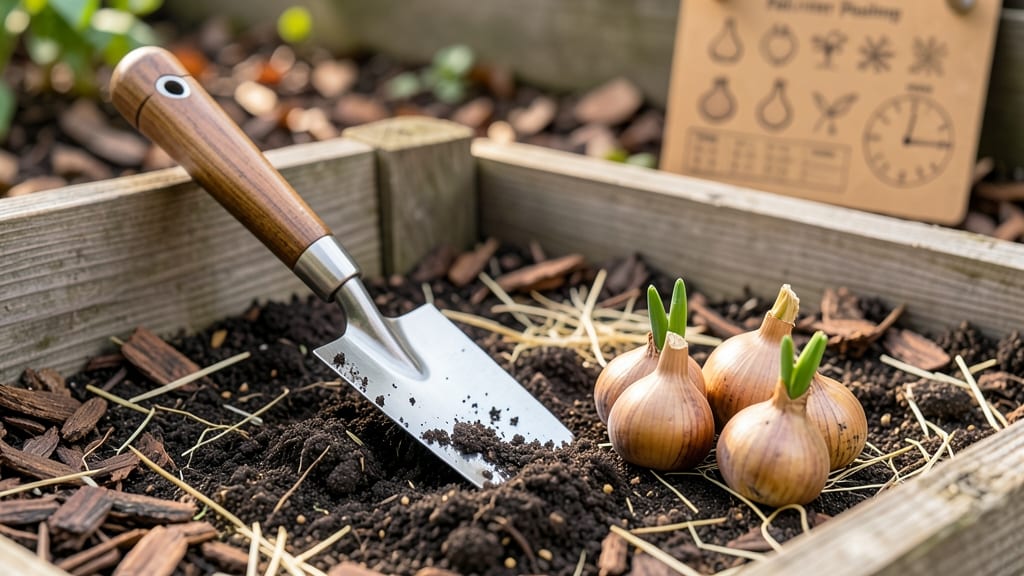
The perfect time to plant tulips in Ohio isn't just about the calendar—it's about beating the first frost while giving those 🌷 bulbs the ideal cold dormancy they crave. Get this wrong, and you might end up with half-hearted blooms (or worse, no blooms at all) next spring.
Ohio's USDA Zone 6a climate means you've got a narrow window—typically between October and November—to plant tulip bulbs before the ground freezes solid.
But here's the catch: planting too early can leave bulbs vulnerable to rot, while waiting too long risks them not establishing strong roots before winter sets in.
I'll walk you through the exact month-by-month timing that works for Ohio's variable frost dates, plus soil prep tricks to ensure your tulips thrive. Whether you're in Columbus, Cincinnati, or Cleveland, these insights will help you plant with confidence so you can enjoy those show-stopping spring blooms.
Ready to transform your garden? Let's dive into the critical factors that make all the difference between a forgettable tulip display and a jaw-dropping spring spectacle that neighbors will envy.
Ohio tulip planting calendar by hardiness Zone (5-7) for perfect timing
Ohio’s USDA zones 5-7 create a unique challenge for tulip growers—too early, and bulbs rot; too late, and they fail to establish roots before winter. The ideal planting window spans just 6-8 weeks before the ground freezes, typically mid-October to early November across most of the state.
Northern Ohio (Zone 5) has the earliest frost dates (as early as October 15 in some areas), while southern Ohio (Zone 7) can sometimes squeeze in late November plantings. The key is soil temperature, which should be below 60°F but not yet frozen when bulbs hit the ground.
🌷 PRO TIP: Use a soil thermometer to confirm temperatures—50-55°F is the sweet spot for root establishment before dormancy.
| Zone | Ideal Planting Window | Soil Temp Goal | Frost Risk |
|---|---|---|---|
| 5 (North) | Mid-October to late October | 50-55°F | High (first frost Oct 15-25) |
| 6 (Central) | Late October to early November | 50-55°F | Moderate (first frost Oct 20-Nov 5) |
| 7 (South) | Early November to mid-November | 55-60°F | Low (first frost Nov 10-20) |
🌱 Ohio Tulip Planting Calendar by Zone
If you miss the primary window, don’t panic—tulip bulbs can handle light frosts and can even be planted in early December if the ground isn’t frozen. However, root development slows dramatically below 40°F, so late plantings may yield smaller blooms or delayed flowering.
For urban gardeners in cities like Columbus or Cleveland, microclimates can shift planting dates by 1-2 weeks. South-facing beds warm up faster, while shaded areas may need earlier planting to compensate. Always check your local frost date averages—the Ohio State Extension provides county-specific data.
One common mistake I see is planting tulips in spring. While possible in Zone 7, spring-planted bulbs rarely bloom as robustly as fall-planted ones. The 6-8 week root establishment period before winter is non-negotiable for healthy tulips.
For extended blooms, stagger plantings by 2-3 weeks. Early plantings (October) will bloom first, while later ones (November) will extend your spring color show into May. This technique works especially well for mixed tulip varieties like 'Darwin Hybrid' or 'Parrot' types.
After planting, mulch heavily (4-6 inches) with straw or shredded leaves to insulate bulbs from freeze-thaw cycles, which can damage emerging shoots. Remove mulch in early spring once shoots appear to prevent rot.
Remember: Ohio’s unpredictable weather means flexibility is key. If unseasonably warm fall weather delays frost, hold off until soil temps drop naturally. The goal is roots, not blooms—your tulips will thank you next spring with bold, vibrant flowers.
5 Critical factors that determine the best Ohio tulip planting window
When it comes to planting tulips in Ohio, the calendar isn't the only factor—soil temperature plays a starring role. Bulbs need the ground to be below 60°F but not yet frozen.
In most of Ohio, this window opens around mid-October, but rural areas may have slightly earlier soil cooling than cities.
Another game-changer is Ohio's variable frost dates. While the average first frost hits around October 20, late freezes can push that back into November. Planting too close to frost risks bulbs not rooting properly before winter dormancy begins.
🌱 Bulb dormancy needs are often overlooked, but they're crucial. Tulips require a 12-16 week cold period to bloom reliably. Ohio's winters naturally provide this, but planting too early (like September) can lead to premature sprouting and rot.
🌿 Ohio Tulip Planting Factors at a Glance
- 🌡️ Soil temp: 40-60°F (plant when consistently below 60°F)
- ⏰ Frost window: 4-6 weeks before average first frost
- ❄️ Cold dormancy: Minimum 12 weeks below 40°F
- 🏙️ Microclimates: Urban areas warm up faster than rural zones
- 💧 Moisture: Well-draining soil prevents bulb rot
Ohio's microclimates create another layer of complexity. Urban areas like Columbus often stay warmer longer, while rural zones near the Indiana border may freeze earlier. Check your local Almanac frost dates—they're your best guide for adjusting the standard October-November window.
Finally, soil drainage can make or break your tulips. Heavy clay soils common in Ohio need amending with compost or sand to prevent waterlogging, which leads to bulb rot. Test your soil's drainage by digging a hole—if water pools after 6 hours, amend before planting.
Pro tip: For maximum blooms, aim to plant when your local daytime highs drop below 70°F consistently. This usually aligns with mid-October for most Ohioans, giving bulbs time to root before winter sets in.