
Plants
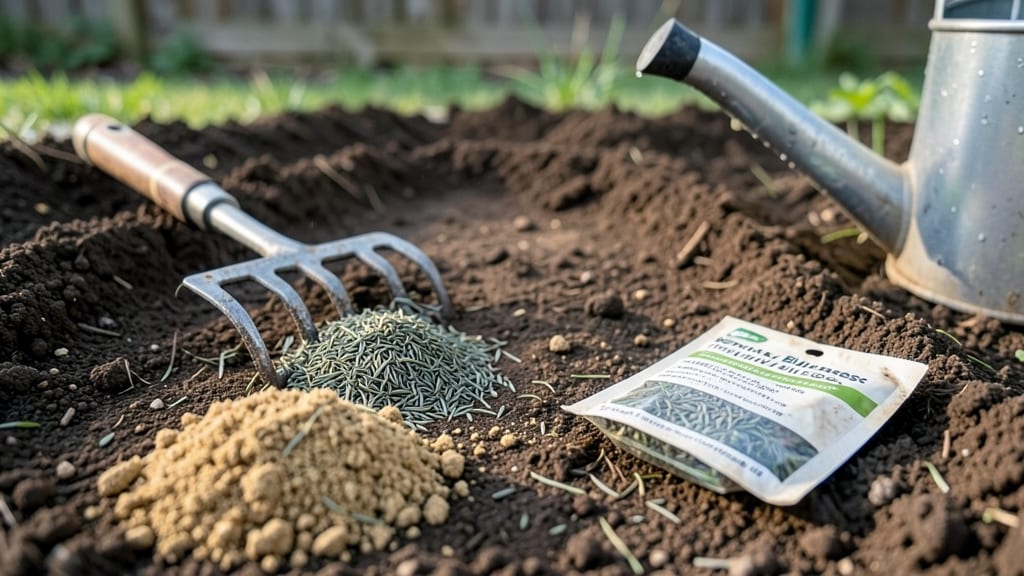
Planting grass seed at the wrong time in spring could leave you staring at a yard full of bare patches instead of that dreamy, thick lawn you envision.
The key to success isn't just tossing seeds and hoping for the best—it's understanding when your soil is truly ready to support new growth.
For most regions, including USDA Zone 6a, the ideal window opens in early to mid-spring, once the last frost has passed and soil temperatures climb to 50–65°F.
But here's the catch: planting too early when the ground is still cold or too late when summer heat arrives can both sabotage your efforts. Let me show you exactly how to time it right for your climate.
We'll break down the science behind soil warmth, regional frost-free timelines, and the 3 critical steps to prepare your yard before planting. Whether you're seeding a new lawn or repairing thin patches, these insights will help you avoid common mistakes that leave grass struggling to take hold.
By the end, you'll know not just when to plant, but how to give your grass the best possible start—so you can enjoy that vibrant, healthy lawn all season long. Let's get growing!
The ideal soil temperature for planting grass seed in spring
Soil temperature is the single most critical factor in determining when to plant grass seed in spring. Unlike air temperature—which can fluctuate wildly—soil warmth tells you when your seeds will germinate reliably.
For most grass types, the sweet spot is between 50–65°F, but cool-season grasses like Kentucky bluegrass and tall fescue prefer the cooler end of that range, while warm-season grasses like Bermuda or Zoysia need warmer soil to thrive.
If you plant when soil is too cold (45°F or below), seeds may rot before germinating. Conversely, waiting until soil exceeds 70°F can stress seedlings, especially in hot climates. The key is balancing warmth with moisture—seeds need both to sprout efficiently.
Here’s how to test your soil temperature accurately: Use a soil thermometer (available for under $10) and check the top 1–2 inches of soil in full sun. Do this for 3–5 consecutive days to account for daily fluctuations.
Morning readings (between 10 AM and noon) are most reliable since afternoon sun can skew results.
Regional variations matter too. In northern climates (USDA Zones 3–5), soil may not reach ideal temps until late May or early June, while southern zones (7–10) can plant as early as March.
Microclimates—like south-facing slopes or urban heat islands—can also shift your planting window by 2–4 weeks.
Cool-season grasses (e.g., fescue, ryegrass) germinate best at 50–60°F, making early spring (after frost risk passes) ideal. Warm-season grasses (e.g., Bermuda, St. Augustine) need 65–75°F soil, so wait until late spring or early summer in warmer zones.
Pro tip: If your soil is too cold but you’re eager to plant, consider a lightweight row cover or black plastic mulch to warm the soil by 5–10°F over 1–2 weeks. This can shave critical days off your wait time without risking frost damage.
🌱 Grass Seed Soil Temperature Guide
| Grass Type | Ideal Soil Temp | Best Planting Window | Notes |
|---|---|---|---|
| Cool-Season (Kentucky Bluegrass, Fescue, Ryegrass) | 50–60°F | Early spring (after frost) | Germinates quickly in cool, moist soil |
| Warm-Season (Bermuda, Zoysia, St. Augustine) | 65–75°F | Late spring/early summer | Needs consistent warmth to establish |
| All Grasses | Minimum 50°F | Avoid planting below 45°F | Risk of rot or slow germination |
🌡️ Test soil depth: 1–2 inches, morning readings
If you’re unsure about your local soil temps, check your USDA Plant Hardiness Zone and cross-reference with Almanac frost dates. For example, in Zone 6a, soil typically hits 50°F by mid-April, but a late frost could delay planting until May 1st.
Always have a backup plan—like a greenhouse tray for seedlings—to hedge against unpredictable weather.
One final tip: If your soil is too dry when temps are ideal, water it 24 hours before planting to create the perfect moist environment for seeds. Overwatering, however, can suffocate seeds, so aim for consistently damp—not soggy—soil.
Once you’ve nailed the soil temperature, the next step is locking in your frost-free planting window. This ensures your grass has 4–6 weeks of warm weather to establish roots before summer heat or winter chill sets in.
Spring frost-free timeline: how to calculate your perfect planting window
Determining the exact frost-free window for planting grass seed in spring isn't just about checking a calendar—it's about understanding your local climate's quirks.
Most gardeners in USDA Zone 6a should aim to plant 4-6 weeks after the last average frost date, but this varies wildly depending on whether you're in the northern mountains or the southern valleys of your region.
For example, if your area typically sees its last frost around April 15, you'll want to hold off until mid-to-late May to give your new grass seedlings time to establish strong roots before summer heat arrives.
But here's the catch: microclimates—like sunny slopes or shaded valleys—can shift your frost dates by 1-2 weeks in either direction.