
Trees
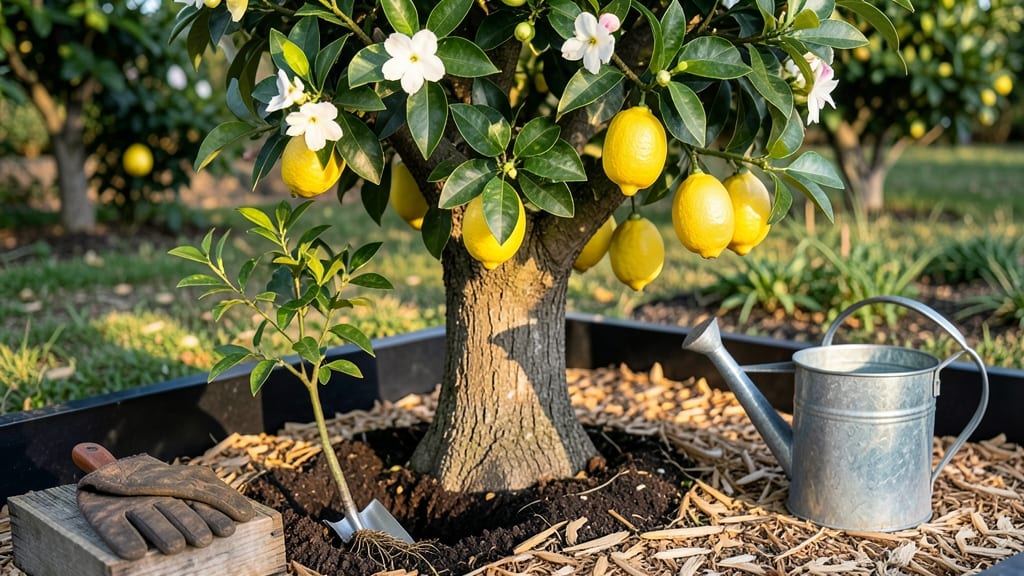
Planting a 🍊 citrus tree in Arizona might seem straightforward—until you realize timing can mean the difference between a thriving orchard and a sad, frost-nipped sapling.
The best time to plant citrus trees in Arizona isn’t just about avoiding summer’s brutal heat; it’s about catching that sweet spot when roots can settle before the rare (but risky) late freezes hit high-desert areas like Flagstaff.
Most Arizona gardeners know the 9b-11 zones are frost-free, but even a single chilly night can stress a young tree. That’s why November through March is your golden window—cool enough for root growth but warm enough to avoid shock.
Skip this timing, and you might end up playing catch-up with pests, slow growth, or worse, a tree that never recovers from transplant shock.
Here’s the game-changer: Planting in late fall or winter doesn’t just protect your tree—it sets the stage for year-round harvests starting as early as the next spring.
We’ll break down how to pick the perfect microclimate for your citrus, whether you’re in Phoenix’s scorching valleys or the cooler high desert, so you can avoid common mistakes that derail even the most eager gardeners.
Ready to turn your Arizona yard into a citrus paradise? Let’s dive into the exact steps to time your planting for maximum success—no guesswork, just luscious oranges, lemons, and grapefruits on tap.
Optimal Arizona planting windows: avoiding freezes while maximizing growth
Arizona’s mild winters and frost-free zones create a unique window for planting citrus trees, but timing still matters. The ideal planting window spans from late November through early March, aligning with cooler temperatures and reduced evaporation. This period gives young roots time to establish before summer’s intense heat arrives.
Citrus trees thrive when planted during dormant seasons, which in Arizona means avoiding the peak summer months (June–August). High temperatures can stress young trees, while winter planting allows roots to grow steadily without competing with rapid foliage growth.
Even in frost-free zones like Phoenix, late freezes can still occur in high-altitude areas like Flagstaff.
Here’s how Arizona’s microclimates influence planting timing:
| Region | Best Planting Months | Key Considerations |
|---|---|---|
| Low Desert (Phoenix, Tucson) | November–February | Minimal frost risk; focus on well-draining soil to prevent root rot. |
| High Desert (Prescott, Flagstaff) | December–January | Higher elevation increases freeze risk; plant cold-hardy varieties like ‘Carrizo’ citrange. |
| Valley Areas (Yuma, Casa Grande) | October–March | Extended window due to warmer winters; prioritize shade cloth for young trees. |
For container-grown citrus, the window expands slightly to include early April, as potted trees warm up faster in controlled environments. However, bare-root trees should always be planted in cooler months to minimize transplant shock.
If you miss the ideal window, October is a secondary option, but be prepared to provide extra mulch and shade during summer.
Soil temperature plays a critical role—aim for 60–70°F at planting depth. In Arizona, this typically aligns with December–February, when daytime highs average in the 60s°F. Use a soil thermometer to confirm conditions before planting, especially in high-desert areas where nights can drop below freezing.
Another key factor is root establishment. Trees planted in late winter (February–March) may experience early summer stress as temperatures rise. To mitigate this, water deeply before the first heatwave and apply a 2–3 inch layer of mulch to retain moisture.
Drip irrigation systems are ideal for maintaining consistent moisture without overhead waste.
If you’re in a transition zone (e.g., near the White Mountains), err on the side of earlier planting (November–December). These areas can see unpredictable late freezes into March, and young citrus trees are particularly vulnerable to 28°F or below.
Choose dwarf or semi-dwarf varieties for easier protection during cold snaps.
Pro tip: Test your soil’s pH before planting—citrus thrives in 6.0–7.0 range. Arizona’s alkaline soils often require sulfur amendments to achieve optimal conditions. Pair this with a well-composted planting hole to improve drainage and reduce salt buildup, common in desert soils.
Finally, avoid planting in September, even though temperatures may seem ideal. The monsoon season can bring heavy rains, leading to waterlogged soil and root rot. Wait until after August’s heat peak to give the soil time to dry and stabilize.
By planting within this November–March window, you’ll give your citrus trees the best chance to establish roots, avoid frost damage, and transition smoothly into Arizona’s brutal summers. 🌱🍊
Optimal Arizona planting windows: avoiding freezes while maximizing growth
Arizona’s 9b-11 USDA zones might suggest citrus trees thrive year-round, but the real challenge lies in the microclimate differences across the state. While Phoenix basks in frost-free warmth, high-desert areas like Flagstaff can see temperatures dip below 28°F—a deadly threshold for young citrus trees.
That’s why the November–March window is your safest bet, balancing cool roots and minimal frost risk.
The key is planting 6–8 weeks before the last expected frost in your area. For low deserts like Tucson and Phoenix, this means November–January—cool enough for roots to establish without summer’s scorching heat.
In higher elevations (e.g., Sedona, Prescott), aim for late October–December to avoid early cold snaps that can shock tender roots.
Here’s the critical detail: Root establishment is your priority. Citrus trees planted in summer (April–September) face two major risks: transplant shock from extreme heat and limited root growth due to drought stress.
Conversely, planting in late winter (February–March) gives roots a head start before the monsoon season’s humidity arrives, reducing fungal diseases.
🌱 Comparison Table: Arizona Citrus Planting Windows
| Region | Best Planting Months | Why This Timing | Avoid |
|---|---|---|---|
| Low Desert (Phoenix, Tucson) | November–January | Cool roots, minimal frost risk, avoids summer heat | April–September (transplant shock) |
| High Desert (Flagstaff, Sedona) | Late October–December | Early frost protection, root hardening before winter | February–March (late freezes) |
| Container Citrus (Anywhere) | March–April | Warmer soil for potted trees; move indoors if frost risk | November–February (outdoor frost) |
Pro tip: Soil temperature matters just as much as air temperature. Citrus roots thrive when soil stays above 60°F. Use a soil thermometer to confirm—if it’s cooler than that, wait a few weeks.
In cooler microclimates, black plastic mulch can warm the soil by 5–10°F, creating an ideal root zone.
Don’t overlook moon phases for planting! While not scientific, many Arizona gardeners swear by planting citrus during the waxing moon (when roots grow upward). Schedule your planting for a cloudy day to reduce stress on the tree—direct sun on newly planted citrus can cause leaf scorch.
Finally, container citrus deserves special attention. If you’re growing potted trees, March–April is ideal—soil warms faster in pots, and you can move them indoors if frost threatens. Just ensure your containers have drainage holes and use a lightweight potting mix to prevent root rot during Arizona’s intense summer heat.