
Flowers
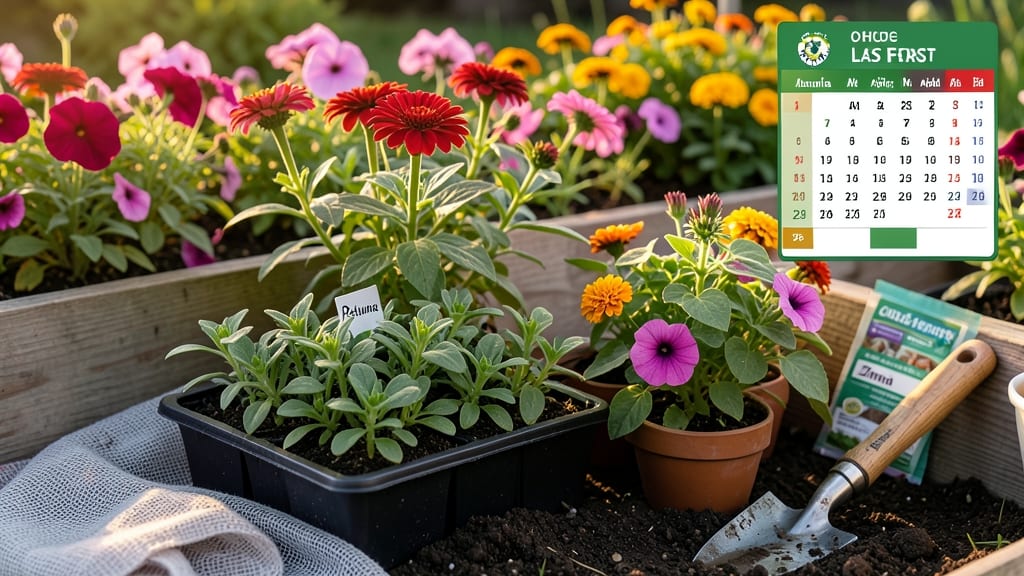
Timing your flower planting just right in Ohio can mean the difference between a showstopping garden and a sad, frost-nipped disappointment. The best time to plant flowers in Ohio isn't just about the calendar—it's about knowing your zone's last frost dates and matching them to your flower types.
Ohio's 6a zone gives you two prime windows: after the last frost (around mid-April to early May) or in early fall (September). But here's the catch—some flowers like cool weather, while others crave warmth. Get this wrong, and you'll either have wilted seedlings or flowers that never bloom.
I'll show you exactly which flowers thrive in each season, how to prep your soil for maximum success, and even how to stretch your planting season with clever tricks.
Whether you're planting annuals for instant color or perennials that come back year after year, this guide keeps your garden blooming beautifully.
Ready to transform your Ohio yard into a floral paradise? Let's dive into the perfect planting schedule tailored to your local climate—no more guessing, just stunning results.
Ohio’s frost-free planting zones: when to plant flowers by month
Ohio spans USDA zones 5b through 7a, meaning frost dates vary dramatically across the state. In Northern Ohio (zone 5b), the last frost typically arrives around May 15, while Southern Ohio (zone 7a) sees frost-free conditions as early as April 1.
This variation means your planting timeline should align with your local zone—not just the state average.
For most Ohio gardeners, the safest window to plant flowers is after your region’s last frost date. However, some cool-season flowers (like pansies and snapdragons) can handle light frosts and should be planted 4-6 weeks before your last expected frost.
Meanwhile, warm-season flowers (like zinnias and marigolds) need soil temperatures above 60°F to thrive.
Here’s the breakdown you need: Spring planting happens between mid-April and early May, while fall planting (for bulbs and perennials) occurs in September. Missing these windows can lead to stunted growth or failed blooms—so let’s dive into the exact timing for your zone.
🌱
If you’re unsure about your exact frost date, check the Ohio State University Extension frost maps or use a local weather station. I’ve planted in zone 6a for years, and I’ve learned that waiting 2 weeks past the average last frost date gives my seedlings a buffer against late frosts.
For bulbs like tulips and daffodils, plant them in fall (September) so they establish roots before winter. These hardy plants can handle Ohio’s cold and reward you with early spring blooms—often before the last frost even arrives.
🌷
One mistake I see often is planting warm-season flowers too early. For example, marigolds and zinnias planted in April will languish in cool soil. Instead, wait until soil temperatures hit 60°F (use a soil thermometer if needed) to ensure strong, healthy growth.
Pro tip: Use row covers or cold frames to extend your planting season by 2-3 weeks in spring or fall. This trick has saved my delicate seedlings from unexpected late frosts more times than I can count.
Finally, always harden off seedlings before transplanting—whether you’re planting in spring or fall. This gradual adjustment to outdoor conditions prevents shock and sets your flowers up for success.
☀️
Best flowers to plant in Ohio by season: cool vs. warm season varieties
Ohio’s two distinct planting seasons—spring and fall—each demand different flower varieties to thrive. Cool-season flowers like pansies and snapdragons love Ohio’s mild spring and fall temperatures, while warm-season beauties such as zinnias and marigolds crave summer’s heat.
Choosing the right flowers for each season ensures your garden stays colorful year-round.
For spring planting (after last frost), focus on cool-season annuals that tolerate light frosts. These include pansies, snapdragons, and sweet alyssum, which bloom early and handle Ohio’s chilly mornings.
Perennials like bearded iris and daylilies also thrive when planted in early spring, establishing strong roots before summer’s heat arrives.
In summer and early fall, switch to warm-season flowers like zinnias, marigolds, and sunflowers. These varieties love Ohio’s 75–90°F temperatures and full sun, producing vibrant blooms until the first frost.
For a fall garden, plant cosmos, black-eyed Susans, and mums in late summer to extend your color into autumn.
🌸 Ohio Flower Planting Guide by Season
- Spring (April–May): Pansies, Snapdragons, Sweet Alyssum, Bearded Iris, Daylilies
- Summer (June–August): Zinnias, Marigolds, Sunflowers, Petunias, Lantana
- Fall (September–October): Cosmos, Black-Eyed Susans, Mums, Asters, Pansies (hardy varieties)
Pro Tip: Pair cool-season and warm-season flowers in containers for extended blooms—plant pansies in the bottom and marigolds on top!
If you’re planting perennials, timing matters even more. Most perennials—like coneflowers and black-eyed Susans—should go into the ground in early spring or early fall to establish roots before extreme temperatures. Bulbs, such as tulips and daffodils, need to be planted in fall (September–October) for spring blooms.
For container gardens, you can stretch planting seasons further. Start warm-season annuals indoors in March and transplant after the last frost. Similarly, cool-season flowers can be sown in late summer for fall containers that bloom until frost.
This flexibility lets you enjoy flowers 12 months a year with minimal effort.
Remember, Ohio’s microclimates can shift planting times slightly. If you live in southern Ohio (Zone 6b–7a), you may plant a week earlier than northern Ohio (Zone 5b).
Always check your local last frost date—typically April 15 in most of the state—and adjust accordingly for zero frost risk.