
Plants
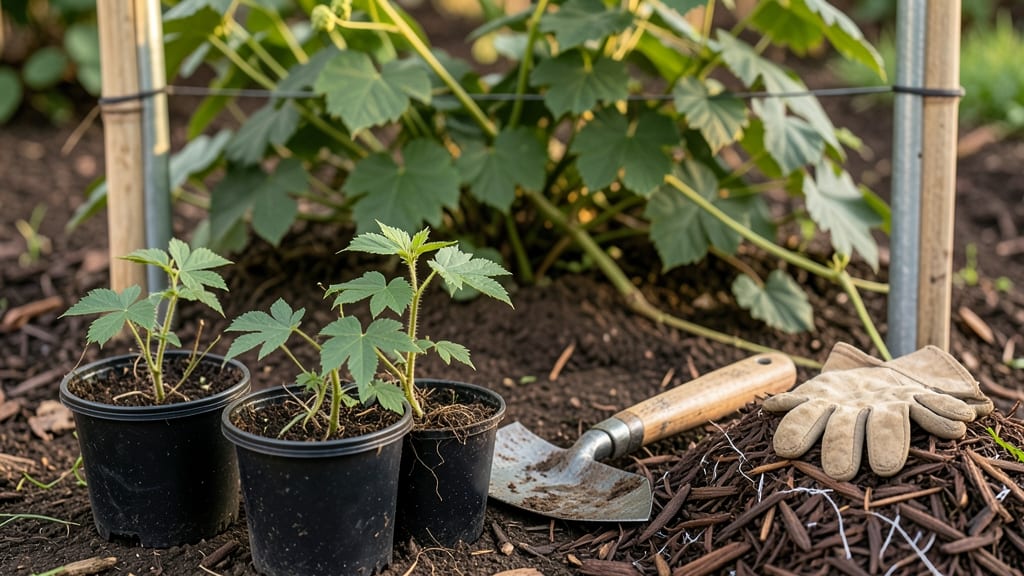
The best time to plant hops in Michigan isn’t just about the calendar—it’s about avoiding frost, ensuring soil warmth, and setting your vines up for a 20-foot climb. With Michigan’s USDA zones 5b-6a and unpredictable frost dates, planting too early can leave your 🌿 hops vulnerable to cold snaps, while waiting too long risks stunted growth before summer’s heat kicks in.
Most Michigan gardeners swear by late April to early May as the sweet spot, once the ground thaws and soil hits 50°F.
But here’s the catch: urban areas like Detroit may warm up faster than rural spots near Lake Michigan, where cooler lake breezes can delay planting by a week or more. If you’re in zone 5b, play it safe—wait until mid-May to avoid frost surprises.
What you’ll discover in this guide is how to read Michigan’s microclimates like a pro: when to plant bare-root hops versus potted varieties, how to extend your growing season with row covers, and the 5 critical signs your planting window is too early.
Spoiler: yellowing leaves and stunted vines are red flags, but there’s still time to save your crop.
By the end, you’ll know exactly when to dig in—whether you’re a first-time grower or a seasoned brewer aiming for that perfect late August harvest. Let’s get those hops thriving before the first frost of October sneaks up.
Michigan’s hop planting zones: frost dates by region and safe planting windows
Michigan’s USDA zones 5a-6a create a tight window for planting hops—just 6-8 weeks between last frost and first frost. Missing this window means risking frost damage or stunted growth.
According to Michigan State University Extension, the last spring frost typically hits mid-April in southern Michigan but can linger until early May in the Upper Peninsula. First fall frosts arrive as early as mid-September in northern zones but often wait until late October in the south.
For hop success, aim to plant bare-root hops or potted plants 2-3 weeks after your region’s last frost date. This ensures roots establish before summer heat peaks.
Southern Michigan’s zone 6a gardeners can plant as early as late April, while zone 5a growers in the UP should wait until early May to avoid late frosts.
Here’s the critical planting timeline for Michigan’s three main hop-growing regions:
Fall planting is risky in Michigan unless you’re in zone 6a. Even then, hops need 60-90 days to establish roots before winter. For fall planting, stick to potted hops and plant 6-8 weeks before your first frost date.
Use row covers to protect young plants if temperatures dip below 40°F.
Pro tip: Check soil temperature with a soil thermometer. Hops won’t thrive until soil reaches 50°F. In northern Michigan, this can mean waiting until late May even if air temperatures seem warm. Patience here prevents root rot and ensures vigorous vine growth.
For homebrewers or commercial growers, timing also affects cone maturity. Planting too late in zone 5a may delay harvest until October, risking early frosts that ruin cones. Use fast-maturing varieties like ‘Centennial’ or ‘Cascade’ if you’re pushing the late-spring window.
Remember: Hops are perennial in Michigan, but first-year plants need extra care. Focus on root establishment in year one—prune aggressively to encourage strong basal shoots for future harvests. A well-timed planting now means years of homegrown hops with minimal frost risk.
🌱
How to adjust planting time for Michigan’s microclimates: urban vs. rural, lakeshore vs. inland
Michigan’s microclimates can shift hop planting windows by 2-3 weeks, depending on whether you’re near Lake Michigan, in an urban heat island, or tucked into a cold inland valley. For example, Detroit’s concrete and asphalt trap heat, warming soil 5-10°F faster than rural areas.
Meanwhile, Traverse City near the lake enjoys warmer springs but cooler summers due to lake breezes. Understanding these variations helps you avoid frost damage or stunted growth.
Start by checking your local microclimate using the Michigan State University’s hardiness zone map. Urban areas like Ann Arbor or Grand Rapids often fall into zone 6a, while inland spots like Mackinaw City may be zone 5a.
If you’re unsure, use a soil thermometer—hops need soil at 50°F before planting, regardless of zone.
Here’s how to adjust planting time based on your microclimate:
For bare-root hops, which are cheaper but more sensitive to cold, plant them 1-2 weeks later than potted varieties. Bare-root hops need warmer soil to wake from dormancy, so avoid planting them in zone 5a before mid-May.
Potted hops, however, can handle cooler soil and are a safer bet for late-spring plantings.
If you’re near Lake Michigan, watch for lake-effect cooling in late spring. Even if your yard feels warm, lake breezes can drop temperatures 10°F overnight. Use row covers for the first 2 weeks to protect young plants.
Inland areas, like those near Houghton, may experience frost pockets—plant hops on a south-facing slope to capture extra warmth.
Pro tip: Monitor air temperatures for 3 consecutive nights above 40°F before planting bare-root hops. This ensures roots won’t freeze. For potted hops, you can plant 1 week earlier since their roots are already established.
In urban areas, consider using drip irrigation to maintain soil moisture during heatwaves, which can stress young vines.
Finally, if you’re in a transition zone (like zone 5b-6a), opt for early-maturing varieties like ‘Chinook’ or ‘Galena’. These give you a 3-week head start on cone development, reducing the risk of early October frosts ruining your harvest.
With the right adjustments, your Michigan hop garden can thrive—no matter where you live!
🌿