
Plants
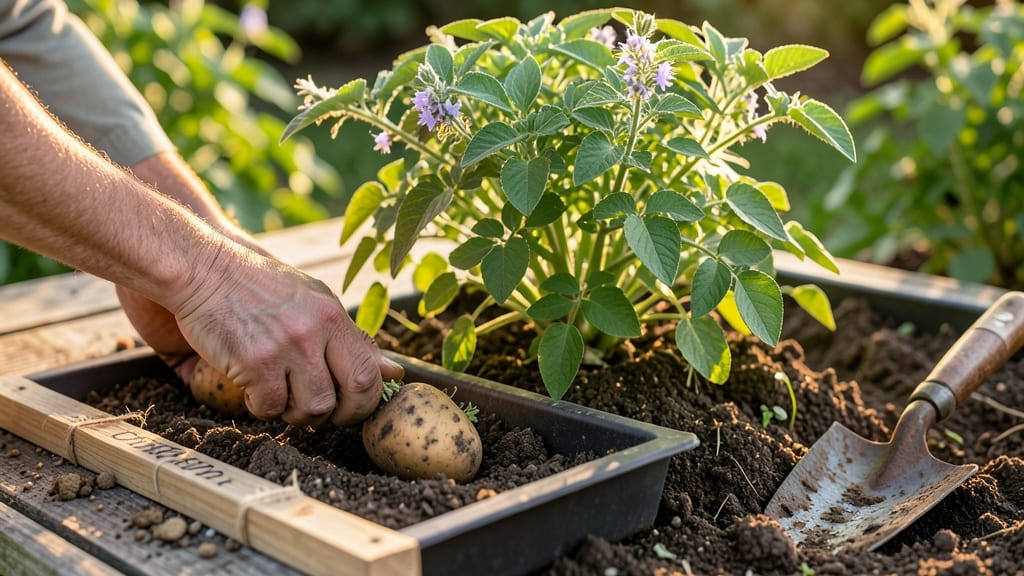
If you’ve ever wondered when is the best time to plant potatoes in Georgia, only to watch them bolt into bitter, inedible greens—or worse, rot before harvest—you’re not alone.
The perfect planting window here isn’t just about the calendar; it’s about dodging Georgia’s unpredictable heat spikes, soil quirks, and regional frost surprises that can turn your dream harvest into a gamble.
Here’s the truth: Georgia’s 7b-8b zones actually give you two prime chances to grow potatoes—early spring and late summer—each with its own sweet spot for zero-bolt success.
Whether you’re in Atlanta’s Piedmont or Savannah’s coastal flatlands, timing your 🥔 potatoes just right means the difference between a bountiful harvest and a sad, scraggly mess. Let’s break down the exact dates (and why they matter) so you can finally stop guessing and start growing.
Most gardeners assume “spring planting” means March, but in Georgia’s heat, that’s a recipe for disaster. The key is planting 4-6 weeks before your last frost date—typically February-March for spring crops—when soil temps hit that 45-55°F sweet spot.
For fall planting, the window shrinks to September-October, where cooler evenings save your tubers from bolting into oblivion. I’ll show you how to nail these timelines, even if you’re working with raised beds or containers.
Ready to ditch the trial-and-error? You’ll also discover how to outsmart Georgia’s microclimates—coastal areas can plant later without risk, while mountain zones need to start earlier.
Plus, I’ll share the one trick that stops bolting in its tracks, so you’re left with fluffy, flavorful potatoes instead of sad, stringy rejects. Let’s get growing the right way.
Georgia’s ideal potato planting windows by hardiness Zone (7a-8b)
Georgia’s USDA Zones 7a-8b offer two prime potato planting windows: early spring (February-March) and late summer (September-October). The key is planting when soil temperatures hit 45-55°F—too cold causes rot, while warm soil speeds up sprouting and risks bolting (premature flowering). Let’s break down the exact timing for your region.
For North Georgia (Zone 7a), the last frost typically arrives around March 15, so aim to plant 4-6 weeks earlier (late February). In Central Georgia (Zone 7b-8a), like Atlanta, you can wait until mid-March.
Meanwhile, South Georgia (Zone 8a-8b), including Savannah, can plant as late as early April without frost risk.
Here’s the visual breakdown of ideal planting windows, frost risks, and harvest timelines tailored to Georgia’s zones:
| Zone | Planting Window | Soil Temp Goal | Last Frost Risk | Harvest Time |
|---|---|---|---|---|
| 7a (North GA) | Late Feb - Early Mar | 45-55°F | High (Mar 15) | Mid-April - June |
| 7b (Central GA) | Mid-Mar - Early Apr | 45-55°F | Moderate (Mar 22) | Late April - June |
| 8a (South GA) | Early Apr - Late Apr | 50-60°F | Low (Apr 5) | May - July |
| 8b (Coastal GA) | Late Mar - Early May | 50-60°F | Very Low (Apr 15) | June - August |
For fall planting, aim for September-October to harvest before the first frost (November 15). In Zone 7a, plant by September 1 for a November harvest, while Zone 8b gardeners can extend until October 15.
Use early-maturing varieties like ‘Yukon Gold’ (90 days) to avoid heat stress.
Pro tip: Test soil temperature with a soil thermometer—potatoes need 45°F+ to sprout. If temps are too low, wait 1-2 weeks or use black plastic mulch to warm the soil faster. Coastal areas like Savannah benefit from this trick due to slower soil warming.
Bolting risk spikes when days exceed 14 hours of light (common by late spring). To delay flowering, choose shade-tolerant varieties like ‘Red LaSoda’ or plant in partial shade (4-6 hours of sun). Mulch with straw or grass clippings to keep soil cool and moist.
In North Georgia’s mountains, where frost lingers longer, opt for cold-hardy varieties like ‘Kennebec’ (120 days) and plant under row covers for extra protection. Coastal gardeners can push the envelope with late-season varieties like ‘Sweetheart’ (80 days) for a summer harvest.
Remember: Soil prep is non-negotiable. Work in compost or aged manure 2-3 weeks before planting to improve drainage—Georgia’s clay soils (especially in Piedmont) can suffocate tubers if too dense. Aim for 6.0-7.0 pH for optimal growth.
For container growing, use 5-gallon pots with moisture-retentive mix (50% peat moss, 50% compost) and plant 1-2 seed potatoes per pot. Harvest when foliage yellows—typically 8-10 weeks after planting.
How to adjust planting for Georgia’s microclimates (coastal vs. Piedmont vs. mountains)
Georgia’s diverse geography means coastal Savannah (Zone 8a) can plant potatoes 3-4 weeks later than the Blue Ridge Mountains (Zone 7a) without risking frost. These microclimates create wildly different soil conditions and frost-free windows, so one planting schedule doesn’t fit all.
Let’s break down the key differences and how to adapt your strategy.
In the coastal plain (like Savannah and Brunswick), sandy soils warm up faster in spring, but humidity spikes earlier. Meanwhile, the Piedmont region (Atlanta, Macon) has heavier clay soils that stay cooler longer.
Up in the mountains (Zone 7a), frost lingers until mid-April, while coastal areas rarely see frost after February. These variations mean your seed potato timing could differ by 6 weeks across the state.
| Region | USDA Zone | Last Frost Date | Ideal Planting Window | Soil Prep Tip |
|---|---|---|---|---|
| Coastal (Savannah) | 8a | Feb 15-March 1 | March 15-April 15 | Add compost to sandy soil |
| Piedmont (Atlanta) | 7b | March 15-April 1 | February 15-March 15 | Break up clay with gypsum |
| Mountains (Blue Ridge) | 7a | April 1-May 1 | January 15-February 15 | Use black plastic mulch |
For coastal gardeners, focus on heat-tolerant varieties like ‘Red LaSoda’ or ‘Sweetheart’ to avoid bolting. These areas benefit from late-summer planting (August-September) for a fall harvest, but watch for hurricane risks that can damage emerging plants.
In the Piedmont, where soils stay moist longer, prioritize early varieties like ‘Kennebec’ or ‘Russet Burbank’ to harvest before summer heat sets in.
Mountain regions can extend their season with row covers or cold frames, allowing for earlier spring planting (as early as January). If you’re in Zone 7a, try container growing with 5-gallon buckets—this gives you 3-4 extra weeks of planting flexibility. Just ensure containers have drainage holes to prevent waterlogged tubers.
Regardless of your microclimate, always test soil temperature before planting—ideal temps are 45-55°F. Stick a soil thermometer 4 inches deep; if it’s below 45°F, wait a week. Coastal areas often hit this range by mid-February, while mountain soils may not warm until late March.
This simple check prevents frost damage and ensures strong tuber formation.
Pro tip: Use straw mulch (6 inches thick) to regulate soil temperatures. In hot coastal areas, it keeps roots cool; in mountain regions, it traps heat for faster sprouting. Just