
Plants
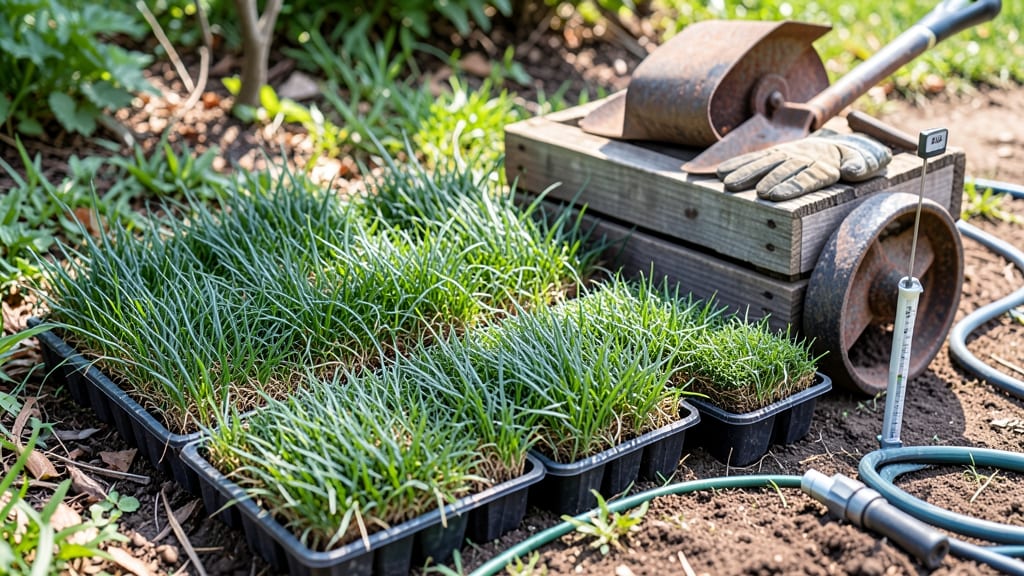
Planting Bermuda grass 🌱 at the wrong time in North Georgia could mean years of patchy, weak lawn—even if you’re using the best seed or sod. The key isn’t just avoiding frost; it’s giving this heat-loving grass a 6-8 week head start before summer’s brutal sun and soil temperatures peak.
In zones 7a-7b, like Atlanta or Athens, your planting window opens in late April or early May—after the last frost (usually around March 15) and when soil warms to at least 65°F.
But here’s the catch: planting too early risks frost damage, while waiting too late (after June) leaves your grass struggling to establish roots before the heat sets in.
I’ll show you exactly how to time it right for your microclimate, whether you’re using sod, plugs, or seed—and why late spring is your best bet for a thick, drought-resistant lawn that survives Georgia’s summers without turning brown.
Skip the guesswork: learn the exact weeks before your last frost to plant, plus soil prep tricks that make all the difference in North Georgia’s clay-heavy soil. Let’s get your lawn off to the strongest start.
North Georgia’s Bermuda grass planting timeline: exact weeks before last frost for strong root growth
Bermuda grass thrives in North Georgia’s USDA Zones 7a-7b, but timing your planting is everything. The last frost date in most of North Georgia falls around March 15, but that’s not your only deadline.
Bermuda needs 6-8 weeks of warm soil before summer’s peak heat to establish deep roots—otherwise, your lawn will struggle under Georgia’s 90°F+ temperatures.
Planting too early (before April) risks frost damage, while waiting too late (after June) means weak growth before summer stress. The sweet spot is late April through early May, when soil temps hit 65°F+. This window gives Bermuda’s aggressive roots time to spread before the heat sets in.
Here’s the critical timeline for North Georgia regions:
| Region | Last Frost Date | Ideal Planting Window | Soil Temp Requirement |
|---|---|---|---|
| Atlanta | March 15 | Late April – Early May | 65°F+ (18°C+) |
| Athens | March 10 | Mid-April – Late April | 65°F+ (18°C+) |
| Gainesville | March 20 | Early May – Mid-May | 65°F+ (18°C+) |
If you’re using sod, you can plant slightly later (early June) because the roots are already established. But for seeds or plugs, stick to the April-May window—this is when Bermuda’s growth really takes off.
The grass needs consistent warmth to germinate, and cooler spring nights can stall progress.
One common mistake? Waiting until June to plant seeds. By then, the heat is too intense, and Bermuda struggles to establish before summer stress sets in.
If you miss the spring window, your best bet is to plant sod in early June—it’s already rooted and can handle the heat better.
Use a soil thermometer to confirm temps before planting. Bermuda seeds won’t germinate below 65°F, and even sod struggles in cooler soil. Pro tip: Black plastic mulch can warm the soil 5-10°F faster if you’re in a cooler microclimate.
North Georgia’s summer heat is no joke—Bermuda grass can handle it once established, but young plants need that 6-8 week head start. Plan accordingly, and you’ll have a dense, drought-resistant lawn by July.
🌱
North Georgia’s Bermuda grass planting timeline: exact weeks before last frost for strong root growth
Bermuda grass thrives in North Georgia’s USDA zones 7a-7b, but timing your planting is everything. The last frost date (around March 15) is just the starting point—your goal is to give Bermuda’s roots 6-8 weeks to establish before summer’s peak heat arrives in July.
For most of North Georgia, this means planting between late April and early June. However, areas like Gainesville (warmer microclimate) can push planting slightly later, while Atlanta’s cooler pockets may need to start earlier.
The key metric isn’t the calendar date—it’s soil temperature, which should stay above 65°F (18°C) consistently.
Here’s the critical timeline for your region:
Planting before April 1 risks frost damage, while waiting until after June often results in weak roots that can’t handle Georgia’s summer heat. The 6-8 week buffer ensures Bermuda’s aggressive runners have time to spread and establish before the July-August drought hits.
Pro tip: Use a soil thermometer to confirm temperatures—Bermuda grass won’t germinate well below 65°F, even if the calendar says it’s spring. For sod or plugs, you have slightly more flexibility, but seeds need perfect timing to avoid fungal issues.
If you’re in higher elevations (like Blue Ridge), aim for May planting—cooler microclimates delay soil warming by 2–3 weeks. Always check your local Almanac frost dates for precise adjustments, but never plant Bermuda in fall—it goes dormant and won’t recover in time for next spring.