
Plants
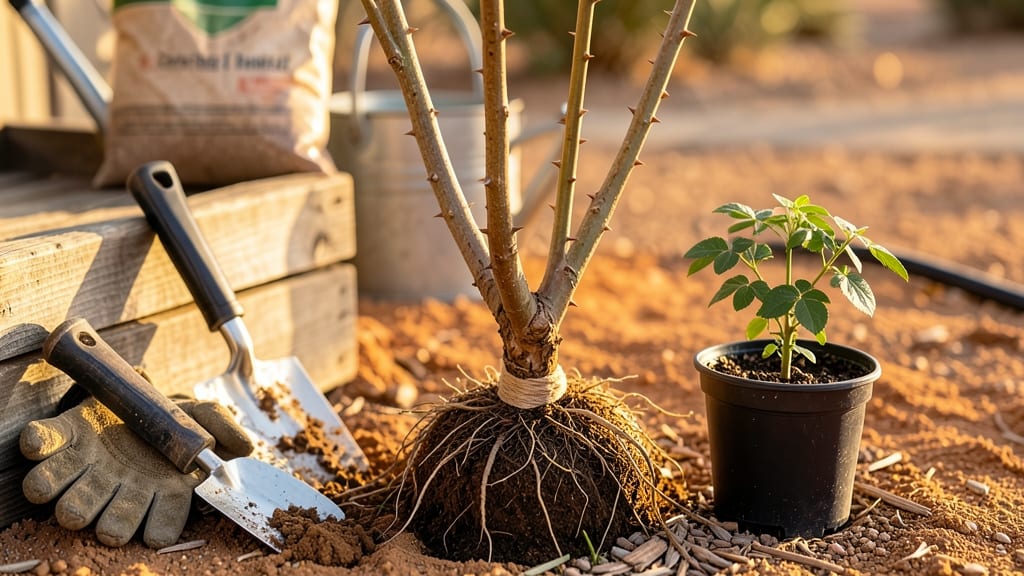
Planting roses in Arizona feels like playing a high-stakes game of timing—get it wrong, and you’re staring at wilted stems by June. But here’s the good news: with the right strategy, your 🌹 can thrive in USDA Zone 9b without the stress of heat shock or drought.
Most gardeners swear by fall planting, but Arizona’s unique climate demands a nuanced approach. The best time to plant isn’t just about avoiding summer’s scorching heat—it’s about syncing with the soil’s natural rhythm when temperatures dip and moisture lingers just enough for roots to take hold.
Whether you’re prepping for November’s cooler days or squeezing in a late-winter transplant, I’ll break down the exact windows, soil prep secrets, and watering hacks that keep Arizona roses blooming year after year—no guesswork required.
Let’s cut through the trial-and-error and get your roses off to a stress-free start, because in the desert, timing isn’t just important—it’s everything.
Arizona’s ideal rose planting windows: heat-zone breakdown by month
Arizona’s USDA Zone 9b climate means roses can be planted almost year-round—but timing matters more than you’d think. The sweet spot is when soil temperatures dip below 75°F and stay there, giving roots a fighting chance before summer’s heat arrives.
That’s why November through March are the gold-standard months for planting, but there are nuances even seasoned gardeners miss.
For example, planting in late October might work in cooler high-desert areas like Flagstaff, but in Phoenix, the soil can still be too warm. Meanwhile, April planting is risky because by June, your roses could be fighting for moisture in 110°F+ heat.
Let’s break down the exact windows, soil temp thresholds, and how to avoid the #1 mistake I see: planting too early in the shoulder seasons.
| Month | Soil Temp Ideal | Air Temp Ideal | Planting Window | Risk Level | Key Tip | ||||||||||||||||||
|---|---|---|---|---|---|---|---|---|---|---|---|---|---|---|---|---|---|---|---|---|---|---|---|
| November | 60-70°F | 65-75°F | ✅ Best | Low | Soil stays moist; roots establish before winter | ||||||||||||||||||
| December | 55-65°F | 50-60°F | ✅ Best | Very Low | Cold nights slow growth; perfect for bare-root roses | ||||||||||||||||||
| January | 55-65°F | 55-65°F | ✅ Best | Low | Avoid frost pockets; mulch heavily | ||||||||||||||||||
| February | 60-70°F | 60-70°F | ✅ Best | Low | Early blooms possible; watch for aphids | ||||||||||||||||||
| March | 65-75°F | 70-80°F | ⚠️ Moderate |
| Planting Window | Soil Temp Threshold | Key Considerations | Best For |
|---|---|---|---|
| November | 60–70°F | Cooler temps, minimal watering needed | Bare-root roses |
| December–January | 55–65°F | Ideal root growth, low evaporation | Container roses |
| February–March | 65–75°F | Increased watering needed; watch for early heat spikes | Potted roses |
| April (Early) | 70–75°F | Risk of heat stress; use shade cloth | Heat-tolerant varieties only |
🌡️ Soil Temp Matters: Use a soil thermometer to confirm temps before planting.
Avoid planting during monsoon season (July–September), when sudden downpours can drown roots or wash away mulch. Instead, focus on fall or early winter when rainfall is lighter and temps are predictable. For container roses, you can extend the window slightly by keeping pots in partial shade.
💧 Watering Hack: After planting, water deeply every 3–4 days for the first month to encourage root spread. Use a soaker hose to avoid wetting foliage, which can invite fungal diseases.
If you’re in a high-desert area (e.g., Sedona, Prescott), aim for late February to early March—soil stays cool longer, and the risk of freeze damage is minimal. In low-desert areas (e.g., Tucson, Yuma), stick to November–January for the best results.