
Plants
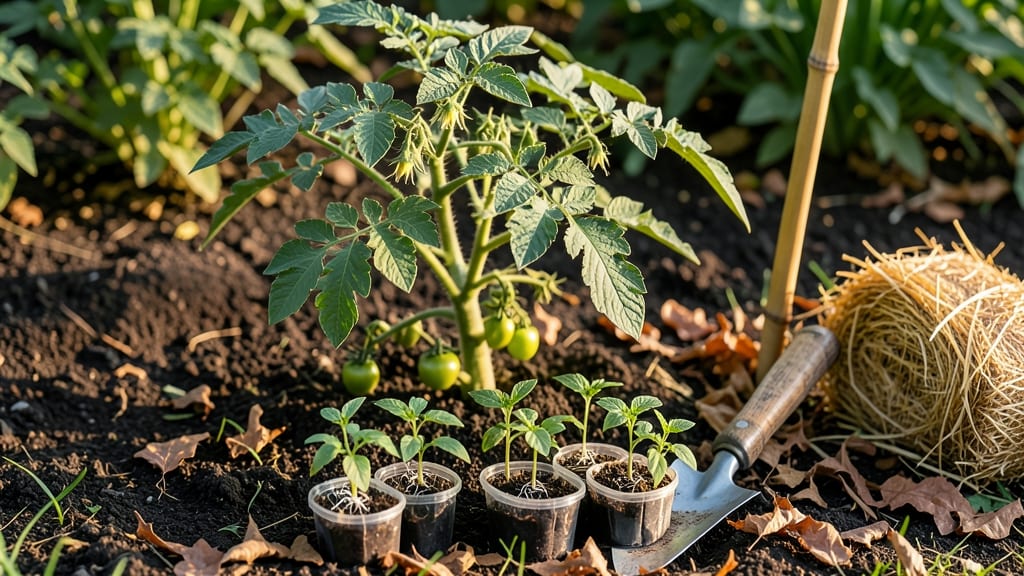
The best time to plant tomatoes in North Carolina isn’t just about the calendar—it’s about dodging frost, heat, and humidity to get juicy, homegrown 🍅 all season long. Skip the guesswork and plant too early, and a late spring frost will send your seedlings running for cover. Too late, and you’ll miss peak flavor or battle the brutal summer heat that makes tomatoes bolt before they ripen.
North Carolina’s varied climate—from the Coastal Plain’s mild winters to the Mountains’ chilly springs—means your planting window should match your zone. Whether you’re in USDA 7a (where frosts linger until early May) or 8b (where you can start as early as mid-April), timing is everything.
I’ll break down the exact frost-free schedule by region so you can avoid common mistakes like planting when soil temps are still too cool or ignoring heat-tolerant varieties for those scorching July days.
Ready to grow tomatoes that thrive? You’ll learn how to adjust for early varieties (like ‘Stupice’) that handle cooler soil or late-season heat lovers (like ‘Celebrity’) that keep producing when other plants give up.
Plus, I’ll share my top 5 pro tips to prevent bolting—because nobody wants their tomato plants throwing in the towel before harvest time.
Let’s get your 🍅 planted on the perfect day—no more second-guessing, just a bountiful harvest from June to October. Grab your gloves, and let’s dive into the exact timeline that works for your corner of North Carolina.
North Carolina tomato planting zones: exact dates by USDA zone to avoid frost damage
North Carolina spans USDA zones 5b through 8b, meaning your last frost dates can vary by 6 weeks or more across the state. In the Coastal Plain (7a-8a), you can plant tomatoes as early as mid-March, while mountain regions (5b-6b) often wait until late May.
This variability is why knowing your exact zone—and monitoring soil temperatures—is critical for avoiding frost damage.
Tomatoes thrive when soil reaches at least 60°F (15°C), but seedlings can’t tolerate temps below 50°F (10°C). If you plant too early, a late frost will bolt your plants (premature flowering) or kill them outright.
Use these zone-specific guidelines to sync your planting with North Carolina’s unpredictable spring weather.
🌱 North Carolina Tomato Planting Timeline by USDA Zone
| Zone | Last Frost Date | Ideal Planting Window | Soil Temp Threshold | Key Risk |
|---|---|---|---|---|
| 5b (Mountains) | Late May | Late May–Early June | 60°F+ | Late spring frosts |
| 6a (Western NC) | Early May | Early–Mid May | 60°F+ | Unpredictable cold snaps |
| 7a (Piedmont) | Mid-April | Mid-April–Early May | 55°F+ | Humidity spikes |
| 7b (Central NC) | Early April | Early April–Late April | 55°F+ | Early heat waves |
| 8a (Coastal Plain) | Late March | Mid-March–Early April | 50°F+ | Fungal diseases |
| 8b (Eastern NC) | Early March | Late February–March | 50°F+ | Hurricane season prep |
For zone 8a and warmer, you can even plant a second crop in late July for a fall harvest before frost. Just choose heat-tolerant varieties like ‘Celebrity’ or ‘Solar Fire’ to handle NC’s oppressive summer humidity.
In cooler zones (5b-6b), focus on early-maturing varieties like ‘Stupice’ or ‘Mountain Merit’ to beat the clock.
Pro tip: Use a soil thermometer to confirm temps before planting. If your soil is below 55°F, wait—even if the air feels warm. Cold soil delays germination and stresses seedlings.
In zone 7a and below, consider row covers or a mini greenhouse to extend your season by 2-3 weeks.
North Carolina’s Piedmont region (zone 7a-7b) offers the most flexibility, with a 120-day growing window for tomatoes. But don’t assume you’re safe just because your zone is higher—microclimates matter. A north-facing slope or low-lying area can delay warmth by 1-2 weeks compared to a sunny, elevated spot.
If you’re unsure of your exact last frost date, check the NC State Extension’s frost maps or use a local weather station. For example, Asheville (zone 6b) often sees frost until May 15, while Raleigh (zone 7b) is typically frost-free by April 1.
Planting too early in Asheville risks frost damage, while Raleigh gardeners can start indoor seeds in March for transplants.
For container gardening, warm up pots with black plastic mulch or a heat mat to reach ideal soil
How to adjust planting time for early vs. late varieties: heat-tolerant tomatoes for NC’s humid summers
North Carolina’s summers can push temperatures into the 90s°F, and if you plant the wrong tomato variety, you’ll end up with bitter, bolt-prone plants before they ripen. The key is matching your planting timeline to the tomato’s heat tolerance.
Early varieties like ‘Stupice’ thrive in cooler soil, while late-season stars like ‘Celebrity’ handle NC’s oppressive humidity like a champ.
Indeterminate tomatoes (like ‘Sungold’) need a longer growing season, so I plant them in mid-April to early May in most zones. Determinate varieties (like ‘Roma’) mature faster, giving you a quicker harvest—perfect for late starts in Zone 7a where springs are chilly.
Adjust your schedule based on your variety’s days to maturity and your zone’s last frost date.
For a continuous harvest, use succession planting. Start with early varieties in April, then add heat-tolerant types in late May or June. This stretches your season from June to October, even in the hottest zones.
Just avoid planting anything after mid-July—the days are too short for tomatoes to ripen before frost.
Pros:
- Handle cooler soil (55-60°F)
- Fewer bolt risks in spring
- Faster harvest (60-70 days)
Pros:
- Thrive in 90°F+ heat
- Extended harvest (80-90 days)
- Better flavor in summer
Cons:
- Struggle in summer heat
- Limited late-season production
Cons:
- Need warmer soil (65°F+)
- Risk of blossom drop in extreme heat
Heat-tolerant varieties like ‘Heatmaster’ or ‘Solar Fire’ are my go-tos for NC’s summers. They keep producing even when other plants wilt, but they need consistent watering to prevent blossom drop.
If you’re in Zone 8b, you can push your last planting to early August for a fall harvest—just use shade cloth during the hottest afternoons.
Don’t forget to mulch heavily to keep roots cool and prune suckers to improve airflow. These small tweaks make all the difference when the mercury climbs. With the right variety and timing, you’ll beat the heat and enjoy tomatoes straight from your garden all summer long.
🍅