
Vegetables
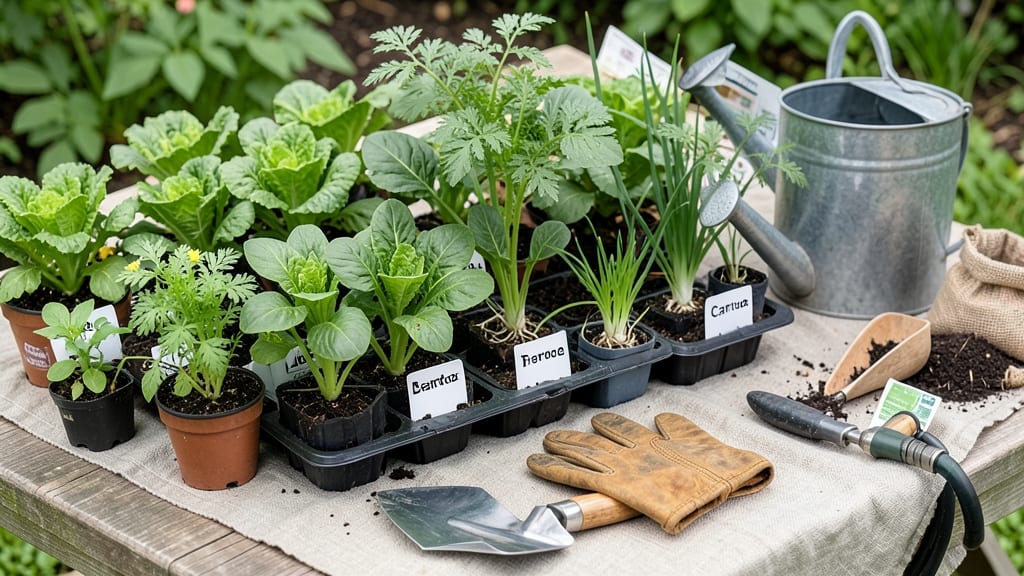
Knowing when is the best time to plant vegetables in California can mean the difference between a thriving garden and a wasted season. With three distinct climates—coastal, inland, and desert—your planting schedule must adapt to avoid common mistakes like bolted lettuce or stunted tomatoes.
I’ve grown vegetables across USDA zones 8 through 11, and the timing isn’t one-size-fits-all. Coastal areas like San Francisco may have mild winters, while inland valleys like Sacramento face scorching summers.
Let’s break down the exact months to plant for your region, so you can enjoy fresh harvests all season long.
Whether you’re a beginner or a seasoned gardener, getting the timing right is the key to avoiding frustration. You’ll discover how to align your planting with California’s unique microclimates, from frost-free coastal zones to desert heatwaves that demand early starts.
Ready to transform your garden? I’ll walk you through month-by-month planting windows, top crops for each zone, and pro tips to extend your growing season—so you can enjoy homegrown veggies from spring through fall without the guesswork.
California planting zones: month-by-month schedule by climate region
California’s USDA zones 8-11 create wildly different planting windows—coastal areas like San Francisco can plant leafy greens in November, while desert regions like Palm Springs wait until March to avoid heat stress. Understanding your microclimate is key to avoiding bolted lettuce or wilting tomatoes before harvest.
First, identify your last frost date (typically December-February in coastal zones, never in desert areas) and first frost date (usually November-December inland). Coastal fog delays frost, while inland valleys bake early. For example, Los Angeles (Zone 10) has zero frost risk, while Sacramento (Zone 9) faces light frosts.
Here’s how to align your planting with California’s three dominant climates: coastal, valley, and desert. Each has unique heat tolerance thresholds and soil warming needs. For instance, carrots bolt in 70°F+ soil, while peppers thrive in 80°F+.
🌱
| Climate Zone | Cool-Season Crops (Lettuce, Broccoli, Carrots) | Warm-Season Crops (Tomatoes, Peppers, Beans) | Key Adjustments |
|---|---|---|---|
| Coastal (Zone 8-9) | September–November & February–April (avoid summer heat) | April–June & August–October (soil >60°F) | Use row covers for winter greens; mulch to retain moisture. |
| Valley (Zone 9-10) | October–December & February–March (frost risk) | May–July & September–October (soil >70°F) | Drip irrigation to prevent bolt; shade cloth for summer. |
| Desert (Zone 10-11) | September–November (cool nights only) | March–May & August–October (avoid 90°F+) | Black plastic mulch to warm soil; evening watering only. |
🌡️ Pro Tip: Use a soil thermometer—most seeds need 50–70°F soil to germinate.
For coastal gardeners, focus on fall and winter crops like kale and spinach, which thrive in 50–60°F temps. Plant broccoli in September for a holiday harvest—just 60 days to maturity!
Inland valleys should prioritize spring and fall plantings to escape summer’s 100°F+ heat, while desert dwellers can grow year-round with shade and irrigation.
One common mistake? Planting warm-season crops too early. Tomatoes won’t set fruit below 55°F, and peppers may rot in cool, damp soil. Wait until soil reaches 65°F (use a soil thermometer) before sowing seeds or transplanting seedlings.
Coastal gardeners can start indoors in February for early transplants, but desert gardeners should wait until April.
Extend your season with row covers (for cool-season crops) or shade cloth (for warm-season crops). A lightweight frost blanket can protect lettuce down to 25°F, while 30% shade cloth keeps tomatoes from bolting in 90°F+ heat.
These tricks let you plant greens in summer or grow peppers in fall—just adjust watering and mulch accordingly.
California’s microclimates mean your neighbor’s successful tomato harvest might be your failed experiment. Pay attention to local frost data (check Almanac.com for your city) and soil conditions.
For example, San Diego’s coastal areas can plant carrots in January, while San Bernardino’s inland valleys wait until March to avoid soil-borne diseases from winter moisture.
Start with fast-growing crops like radishes (25 days) or bush beans (50 days) to test your zone’s readiness. If they thrive, you’re ready for longer-season crops like cabbage (80 days) or eggplant (75 days). Keep a gardening journal to track what works—and what doesn’t—in your specific microclimate.
🌿
Top 5 vegetables that thrive in California’s microclimates (and when to plant them)
California’s microclimates create perfect conditions for five standout vegetables, but timing is everything. Whether you’re in coastal San Francisco or inland Sacramento, these crops will reward you with bountiful harvests if planted at the right time. Let’s dive into the best varieties and their ideal planting windows.
For tomatoes, the golden rule is to wait until soil temperatures hit 60°F or warmer. In coastal zones like Santa Cruz, this means planting in late April to May.
Inland areas like Fresno can start as early as March, but avoid late frosts by waiting until mid-April.
🌱 Lettuce and other leafy greens are trickier—they bolt (go to seed) quickly in heat. In cooler coastal regions, plant fall lettuce in August for a winter harvest. Inland gardeners should stick to spring plantings (February-March) or late summer (September) to avoid summer heat.
Carrots thrive in cool soil and can handle light frosts. Plant them in early spring (February-March) for a summer harvest or late summer (August-September) for a fall crop. In desert zones like Palm Springs, focus on winter plantings (November-January) to escape the heat.
| Vegetable | Best Planting Time (Coastal) | Best Planting Time (Inland) | Best Planting Time (Desert) |
|---|---|---|---|
| Tomatoes | Late April - May | March - Mid-April | February - March |
| Lettuce | August - September | February - March, September | November - January |
| Carrots | February - March, August - September | February - March, August | November - January |
| Peppers | May - June | April - May | March - April |
| Broccoli | August - September | February - March, August | November - January |
Peppers love heat and should only be planted after the last frost. In coastal areas, this means May-June, while inland gardeners can start as early as April. Desert zones can begin in March, but use shade cloth to protect young plants from intense sun.
Finally, broccoli thrives in cool weather and can handle light frosts. Plant it in late summer (August-September) for a fall harvest or early spring (February-March) in inland zones. In desert areas, focus on winter plantings (November-January) to avoid summer heat stress.
To extend your growing season, use row covers or cold frames for early or late plantings. This trick helps prevent bolt risk in lettuce and heat stress in peppers, giving you fresh veggies for months longer than the average gardener. 🌿