
Planting
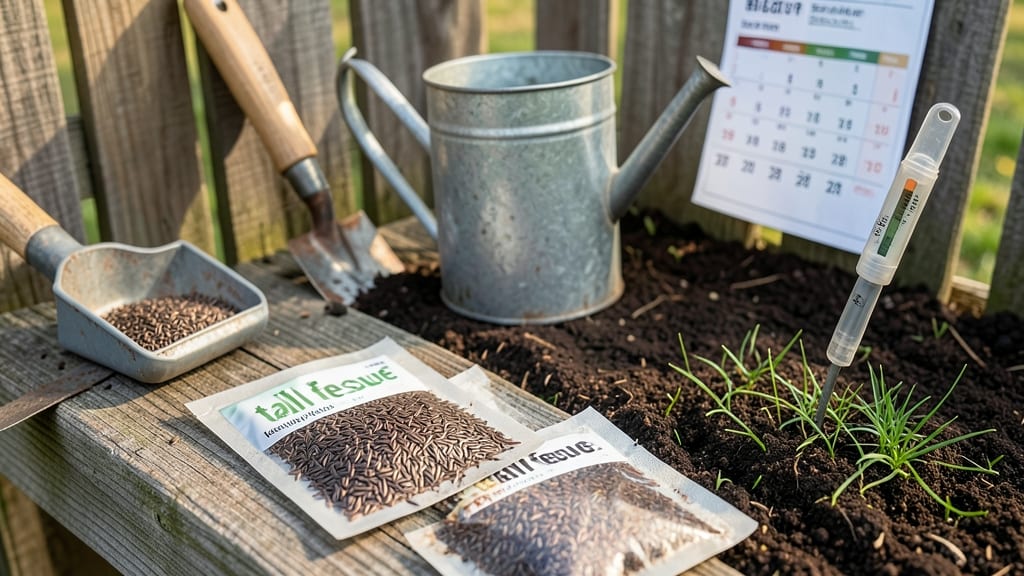
Planting grass seed at the wrong time in North Carolina can mean the difference between a lush, green lawn and months of patchy, struggling growth. With USDA zones 6a-8b and three distinct microclimates—coastal, Piedmont, and mountains—timing matters more than most gardeners realize.
The ideal windows are early spring (March–April) or early fall (August–September), but even these have nuances based on your specific region.
Why does timing matter so much? Grass seed thrives when soil temperatures hover between 55–65°F, giving roots the perfect environment to establish before summer heat or winter frost sets in.
In North Carolina, coastal areas like Wilmington can handle late summer plantings, while mountain regions near Asheville need to wait until April to avoid late frosts. Understanding these differences is the key to fast, healthy growth.
If you're ready to transform your yard into a vibrant green space, you're in the right place. I'll walk you through the best months for each microclimate, how to prepare your soil, and what to watch for after planting. Let's get started—your perfect lawn is just a few weeks away!
Whether you're dealing with sandy coastal soil or clay-heavy Piedmont ground, these tips will help you avoid common mistakes and ensure your grass takes root quickly. From soil tests to watering schedules, I've got you covered so you can enjoy that fresh-cut grass smell all year long.
North Carolina grass seed planting calendar by month: best times for coastal, Piedmont, and mountain regions
North Carolina’s diverse climate—from the humid coastal plains to the cooler mountain regions—means there’s no one-size-fits-all answer for planting grass seed. Timing is everything, and missing the window by even a few weeks can leave your lawn struggling.
The key is aligning your planting with soil temperatures, frost risks, and your specific region’s microclimate. For most of NC, the ideal windows are early spring (March–April) and early fall (August–September), but coastal areas have extra challenges like hurricane season and salt spray.
If you’re in the Piedmont region (think Raleigh or Charlotte), aim for September–October or February–March when soil temps hover around 55–60°F.
Mountain gardeners in Asheville or Boone should wait until April–May or September to avoid early frosts, while coastal areas like Wilmington can plant as late as October—but watch for hurricane warnings.
Each region’s unique conditions demand a tailored approach, and ignoring these differences often leads to slow germination or failed establishment.
Soil temperature is your best indicator—seeds need consistent temps between 55–65°F to sprout reliably. Use a soil thermometer (just $10 at garden centers) to check before planting. In the mountains, cooler temps mean slower growth, while coastal heat can dry out seeds if you plant too early. Frost dates also shift dramatically: Piedmont areas might see their last frost in early April, while mountain zones can linger until May.
Here’s how North Carolina’s three main regions stack up for grass seed planting:
| Region | Best Planting Months | Soil Temp. Range (°F) | Key Risks to Avoid | Estimated Establishment Time |
|---|---|---|---|---|
| Coastal (e.g., Wilmington, Outer Banks) | Late August–October, March–April | 60–65°F | Hurricane season (Aug–Oct), salt spray damage | 14–21 days |
| Piedmont (e.g., Raleigh, Charlotte) | September–October, February–March | 55–60°F | Late frosts (Nov–Jan), summer drought | 21–28 days |
| Mountains (e.g., Asheville, Boone) | April–May, September | 50–55°F | Early/late frosts, thin air slows growth | 28–35 days |
For coastal NC, late summer planting (August–October) is ideal because the humidity stays high and soil temps remain warm enough for germination.
However, hurricane season peaks in September, so keep an eye on forecasts. Spring planting (March–April) is your second-best option, but avoid late April if heat waves arrive early—seeds can dry out before sprouting.
Salt spray from nearby oceans can also stress young grass, so rinse newly seeded areas if storms bring salty winds.
In the Piedmont, where summers are hot and winters can bring unpredictable late frosts, fall planting (September–October) is the gold standard.
Soil stays warm enough for germination but cools slightly by late October, giving seedlings a head start before winter. Spring planting (February–March) works too, but avoid planting in January—frost risks are too high.
If you’re in Zone 7a or warmer (like Charlotte), you might push spring planting to early April, but monitor soil temps closely.
The mountain regions of NC (USDA Zones 6a–7a) have the shortest growing seasons, so timing is even more critical. April–May is your best bet for spring planting, as soil temps finally climb above 50°F and frost risks diminish. September planting is your fall window, but avoid late September—cooler nights and shorter days slow growth.
Mountain soils often stay damp longer, which can lead to fungal issues, so ensure good drainage before seeding.
No matter your region, avoid planting in summer (June–August) unless you’re using shade-tolerant blends like fine fescue. The combination of intense heat, drought, and weeds makes establishment nearly impossible.
Even if you succeed, your lawn will struggle to stay green until cooler months return. Fall planting is always the safer bet—cooler temps reduce stress, and consistent rainfall (especially in September) keeps seeds moist.
Pro tip: If you’re unsure about your exact microclimate, check the NC State Extension’s frost maps or use a local weather app to track soil temps. For most homeowners, late August–early September is the sweet spot for fall planting across all regions, while March–April covers spring.
With the right timing, you’ll see lush, even germination in just 2–4 weeks—no patchy, weedy messes here! 🌱
How to choose the right grass seed type for North Carolina’s climate Zones (warm-season vs. cool-season)
North Carolina’s climate zones—from the humid coastal plains to the cooler mountain regions—demand different grass seed types to thrive. Warm-season grasses dominate summer, while cool-season varieties shine in spring and fall.
Choosing the wrong type can mean a lawn that struggles with heat, drought, or winter kill. Let’s break down the best options for your NC yard.
In the coastal regions (Zones 8a–8b), Bermuda and Zoysia grasses excel because they handle summer’s heat and humidity. Meanwhile, Piedmont and mountain areas (Zones 6a–7b) favor Tall Fescue and Ryegrass, which stay green longer in cooler months.
Mixing these types can create a year-round green lawn, but timing matters—each has unique germination needs.
Warm-Season Grasses
- Peak green in summer/fall
- Drought-tolerant once established
- Low maintenance (stays green with minimal water)
- Shade-adaptive varieties available
- Goes dormant in winter (brown)
- Slow to germinate (7–21 days)
- Harder to establish in cool months
- Some types (Bermuda) invasive in certain areas
Cool-Season Grasses
- Greens up early spring/fall
- Faster germination (7–14 days)
- Softer blades (better for families/pets)
- Tolerates light foot traffic
- Struggles in summer heat (requires irrigation)
- Higher maintenance (fertilizer needs)
- Can develop fungal issues in humidity
- Short lifespan (3–5 years without overseeding)
For coastal NC, consider Bermuda or Centipede grass—they thrive in heat but may need overseeding in winter.
In the Piedmont, Tall Fescue blends (like Kentucky Bluegrass mixes) offer durability and color year-round. Mountain regions benefit from Fine Fescue, which handles cooler temps and shade better than other types.
Pro tip: If you want a green lawn year-round, mix cool-season and warm-season seeds. Plant the cool-season variety first in early fall, then overseed with warm-season seed in late spring. This creates a two-layered lawn that stays vibrant through all four seasons.
Always check the seed bag for NC-specific recommendations—some blends are pre-mixed for our state’s climate. And remember: soil prep matters just as much as seed choice. Test your soil’s pH (ideal: 6.0–7.0) before planting to ensure your new grass gets the best start.