
Plants
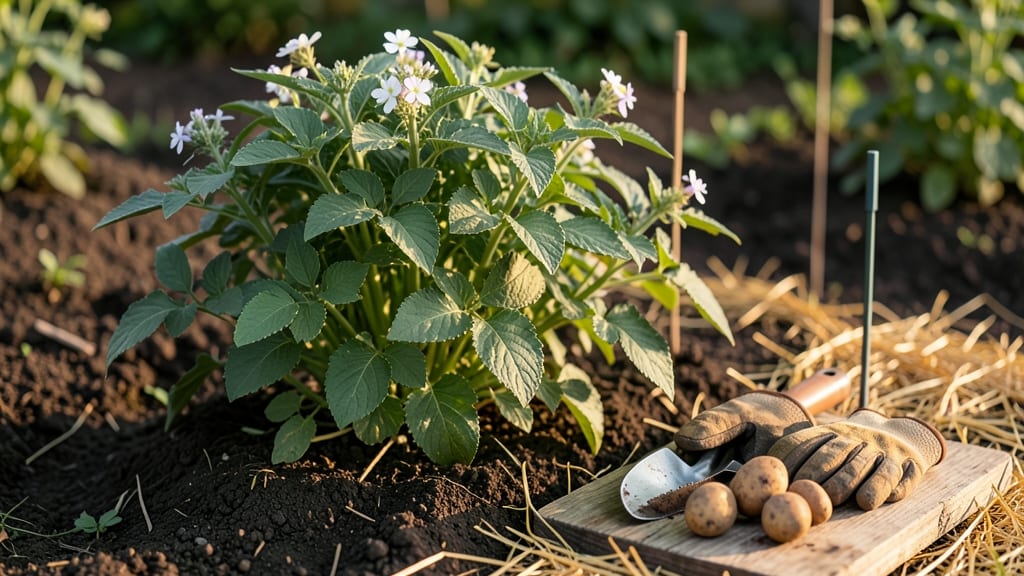
Timing your potato planting in Michigan isn’t just about the calendar—it’s about soil temperature secrets that prevent bolting and ensure a bountiful harvest. 🥔 Too early, and your potatoes might flower before they’re ready; too late, and you risk stunted growth.
The key? Waiting until the soil consistently reaches 45°F for at least two weeks, a rule that varies between Michigan’s 5b-6b zones.
Most gardeners in the Great Lakes state aim for mid-April to early May, but that window shifts depending on whether you’re in the Upper Peninsula or the Lower Peninsula.
I’ll show you exactly how to read your soil’s cues—no guesswork—so you can plant with confidence and avoid the heartbreak of wasted tubers.
Whether you’re growing early varieties like ‘Yukon Gold’ or late-season ‘Kennebec,’ the right timing makes all the difference. You’ll learn how to adjust for cold springs, choose the perfect variety for your region, and even extend your growing season for a second harvest.
Let’s dig into the details so you can enjoy homegrown potatoes from July to October.
This isn’t just theory—it’s battle-tested advice from Michigan gardeners who’ve mastered the art of planting potatoes without the risk of bolting. By the end, you’ll know exactly when to plant, how to prepare your soil, and which varieties thrive in your specific zone.
Ready to grow a harvest you’ll be proud of?
Michigan potato planting calendar: exact dates by Zone to avoid bolting
Michigan’s diverse climate means your potato planting window depends heavily on your USDA zone and last frost date. The Upper Peninsula (Zone 4b-5a) has a shorter season than Southern Michigan (Zone 6a), so timing is critical to avoid premature bolting—when potatoes flower too early and produce small tubers.
For all regions, the golden rule is to plant when soil temperatures consistently reach 45°F (7°C) for 2+ weeks. This ensures roots establish before the plant bolts. In Michigan, this typically aligns with mid-April to early May, but exact dates vary by 1-2 weeks depending on your location.
🌱Pro Tip: Use the Michigan State University Extension’s frost date map to pinpoint your local last frost date. For most of the Lower Peninsula, this falls around May 10-15, while the Upper Peninsula may see frost until May 20-25.
| Region | USDA Zone | Ideal Planting Window | Soil Temp Threshold | Last Frost Date |
|---|---|---|---|---|
| Northern Lower Peninsula | 5a-5b | April 20 - May 5 | 45°F+ (7°C) | May 10-15 |
| Southern Lower Peninsula | 6a | April 10 - April 25 | 45°F+ (7°C) | May 5-10 |
| Upper Peninsula | 4b-5a | May 1 - May 15 | 45°F+ (7°C) | May 20-25 |
📅 Planting Windows by Region
If you’re in the Southern Lower Peninsula, you can start planting as early as mid-April, but wait until soil warms to avoid cold soil shock, which stunts root growth.
For the Upper Peninsula, delay until after May 1 to give plants enough time to mature before the first frost in mid-October.
🌡️Key Insight: Soil temperature is more important than air temperature. A 45°F soil can occur even if morning air temps are below freezing. Use a soil thermometer to confirm readiness—this small investment saves hours of guesswork.
For gardeners in Zone 6a (Southern Michigan), consider a second planting in early June for late-season varieties like ‘Red LaSoda’. This extends your harvest window and maximizes yield. Just ensure you have 90+ days until your first frost to allow tubers to fully develop.
🚜Extension Tip: Michigan State University recommends planting seed potatoes (not table potatoes) for best results. Cut them into 1.5-inch chunks with at least one “eye” per piece, then let them cure in sunlight for 24 hours before planting to prevent rot.
In cold springs, like those in 2020 or 2022, many Michigan gardeners turned to row covers or cold frames to warm soil faster. If your spring is late, prioritize early-maturing varieties (e.g., ‘Early Rose’, which matures in 60 days) to avoid bolting.
🌱Final Reminder: Mark your calendar for two weeks before your last frost date—this is your planting deadline. After that, the risk of bolting skyrockets, and your tuber yield drops by 30-50%.
Soil temperature secrets: how to test and time planting for maximum yield
Testing soil temperature isn’t just guesswork—it’s the #1 secret to avoiding bolting in Michigan potatoes. Most gardeners assume air temperature matters most, but soil warmth is what triggers root growth. A 45°F soil (7°C) consistently for two weeks signals it’s time to plant, even if mornings are still chilly. 🌱
Use a soil thermometer ($10 at garden centers) to check depths of 4-6 inches—this is where potato roots will establish. If your thermometer reads below 45°F, delay planting. Cold soil shock causes roots to struggle, leading to stunted tubers or bolting.
For DIY gardeners, the potato test works too: Bury a raw potato in the soil for 24 hours. If it feels warm to the touch, your soil is ready.
🌡️Warning: Michigan’s Upper Peninsula often sees late springs with soil temps lingering below 45°F until May 15+. If you plant too early, your potatoes may bolt before tubers form. Late varieties like ‘Kennebec’ handle cooler soils better, but even they need warmth to thrive.
Planting in below-45°F soil forces potatoes to bolt early, reducing tuber size by 40-60%. Always confirm soil warmth before planting—don’t rely on air temperature alone.
🔹 Signs your soil is too cold: Slow sprouting, yellowing leaves, or flowers appearing before 60 days.
🔹 Fix it: Use black plastic mulch or row covers to warm soil faster (can add 5-10°F to soil temps).
For Southern Michigan gardeners in Zone 6a, you can sometimes plant as early as mid-April, but verify soil temps first. If your spring is warmer than average (like 2021), you might even squeeze in a second planting in early June for late varieties.
Just ensure you have 90+ days until frost—otherwise, your tubers won’t mature fully.
💡Pro Tip: If you’re unsure about soil temps, plant test rows of your fastest-maturing variety (e.g., ‘Early Rose’) a week before your ideal date. If they bolt within 30 days, your soil was too cold—adjust next year’s schedule accordingly.
Remember, soil temperature > air temperature. A 50°F air temp with 40°F soil will still cause bolting. Invest in a thermometer, monitor daily, and you’ll double your tuber yield compared to guessing. 🥔