
Plants
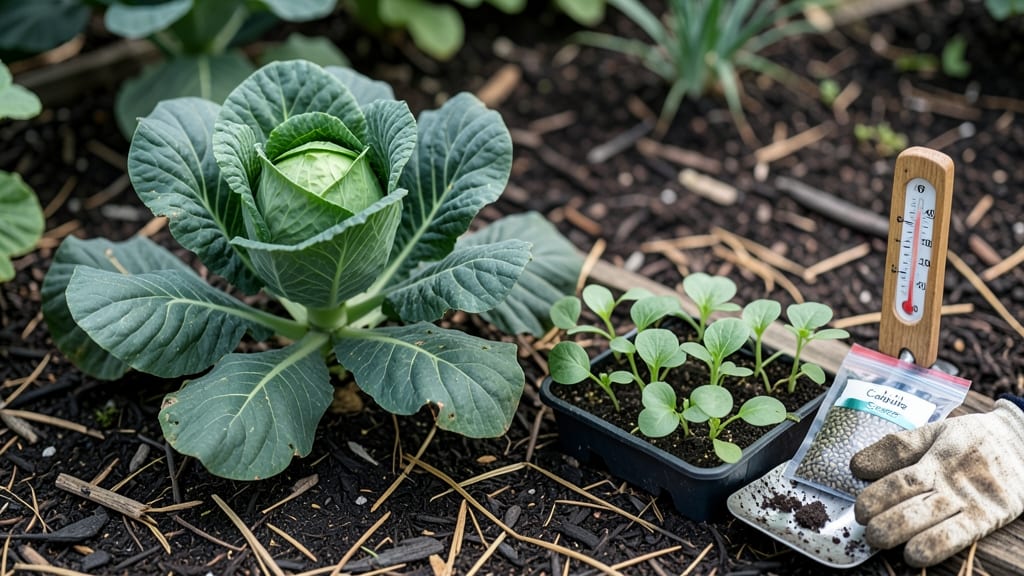
Timing your cabbage planting in Colorado isn’t just about the calendar—it’s about beating frost, matching varieties to your microclimate, and avoiding the heartbreak of a crop that bolts before harvest.
With USDA zones 5-8 and unpredictable mountain weather, getting those seeds in the ground too early or too late can mean the difference between a bountiful fall harvest and a sad, shriveled mess.
Most gardeners in Denver and the Front Range know the drill: plant between March 15 and April 30 for spring crops and again from July 15 to August 15 for fall. But here’s the catch—your elevation changes everything.
High plains areas might need to wait until after April 15, while mountain regions could push planting back even further. The key is understanding your last frost date and choosing the right cabbage varieties that thrive in Colorado’s short growing seasons.
In this guide, I’ll break down the exact planting windows for head cabbage, bok choy, and kale, including how to adjust for Denver’s 5b-6b zones and the Western Slope’s drier climate.
You’ll also learn how to extend your harvest with successive plantings and avoid common mistakes that turn promising starts into disappointing failures. Let’s get those 🥬 plants growing strong!
Whether you’re a first-time gardener or a seasoned pro, nailing the timing will give you the confidence to grow cabbage that’s crisp, flavorful, and ready to harvest just in time for your favorite recipes. Ready to dig in?
Colorado cabbage planting deadlines by variety: early vs late season frost dates
Colorado’s microclimates mean your cabbage planting deadlines should vary based on elevation and location. The Front Range (Denver area) has different frost dates than the Western Slope or high plains.
For most Colorado regions, aim to plant head cabbage between March 15 and April 30 for spring harvests, and July 15 to August 15 for fall crops.
Your last frost date is critical—Denver typically sees its final frost around April 15, but higher elevations like Fort Collins or Boulder can experience frost until May 1. Meanwhile, the San Luis Valley may have frost as late as May 10.
Always check your local USDA Zone (Colorado ranges from Zone 5 to Zone 8) for precision.
Bok choy and kale are more cold-tolerant, allowing earlier plantings. You can start these as early as February 15 in Denver, while head cabbage needs warmer soil (45°F+) to thrive. For fall harvests, plant 8-10 weeks before your first frost—typically by July 15 in most regions.
For direct sowing, plant seeds 1/4 inch deep and 12-18 inches apart in rows spaced 24-30 inches apart. If transplanting seedlings, harden them off for 7-10 days before moving them outdoors. Transplanting is ideal for Colorado’s short growing season—start seeds indoors 6-8 weeks before your last frost.
In high-altitude areas like Aspen or Leadville, extend your growing season with row covers or cold frames. These can push your planting window back by 2-3 weeks in spring and fall.
For example, in Zone 5 areas, you might plant head cabbage as late as May 1 with protection.
Always monitor your local weather forecasts—unpredictable late frosts can still occur in May, especially in mountain valleys. If frost is forecasted, cover young plants with frost blankets or lightweight row covers.
For fall plantings, aim to harvest before first frost, which can arrive as early as September 30 in higher elevations.
Pro tip: Use black plastic mulch to warm soil faster in spring, helping seedlings establish quicker. This is especially useful in Denver’s clay soils, which can stay cold longer. Pair this with drip irrigation to maintain consistent moisture—drought stress is a common issue in Colorado’s dry climate.
For continuous harvests, stagger plantings every 2-3 weeks
Colorado cabbage planting deadlines by variety: early vs late season frost dates
Colorado’s last frost dates vary dramatically—Denver’s April 15 average becomes May 1 in mountain regions like Boulder County.
For head cabbage, this means your spring planting window shrinks from March 15-April 30 in the Front Range to April 1-April 20 at higher elevations. Bok choy and kale, however, handle cooler temps better, giving you a 2-week extension for those varieties.
Your microclimate matters. Western Slope areas like Grand Junction (Zone 6) can plant 2 weeks earlier than Denver, while mountain valleys like Fort Collins may need to wait until May 1.
Always check your local CoCoRaHS frost data—Colorado’s Alpine zones can have late May frosts, even after Memorial Day.
🚨 Visual Guide Below 🚨
For transplants, harden off seedlings for 7-10 days before setting them out after your last frost. Direct sowing is riskier in Colorado’s unpredictable springs, but bok choy and kale can handle light frosts down to 20°F once established.
Always check soil temps—45°F+ is ideal for seed germination.
Your fall planting follows a similar rule: aim for 100 days before first frost.
In Denver, that’s July 15-August 15, but mountain regions may need to start by July 1. Savoy cabbage handles Colorado’s cool nights better than smooth varieties, making it a top choice for late-season harvests.
🌱 Key Takeaway: Use your local CoAgMet station for real-time frost alerts—Colorado’s microclimates can shift planting windows by 2+ weeks from one valley to the next.