
Planting
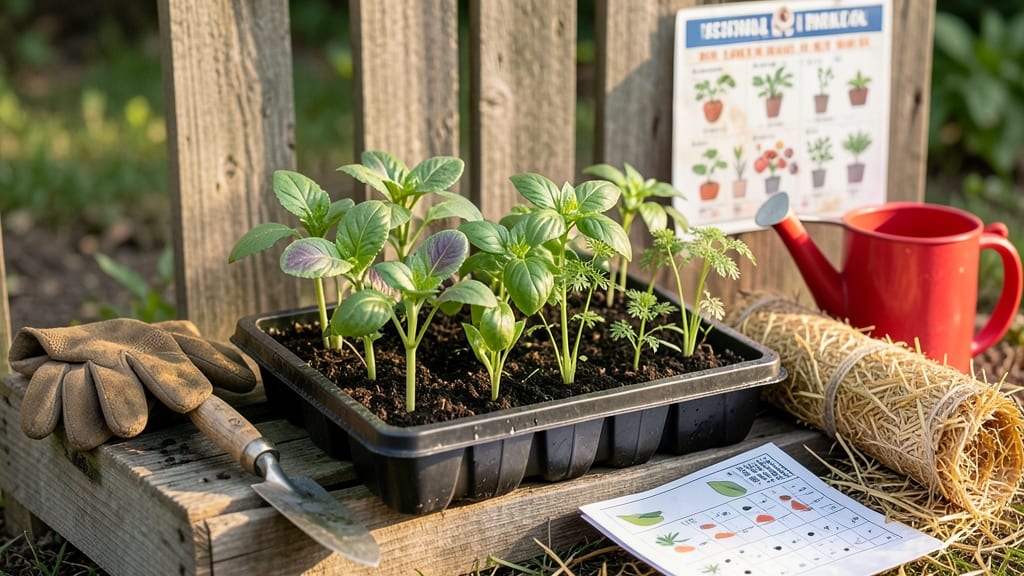
Knowing when to plant a garden in your area isn’t just about grabbing seeds and digging in—it’s the difference between a lush harvest and a sad, withered disappointment. Whether you’re in USDA Zone 6a or a warmer climate, timing matters more than you might think.
The wrong schedule can leave your 🌱 struggling, while the right one sets you up for success from the first sprout.
Most gardeners in Zone 6a wait until after the last frost—typically around April 15—to plant warm-season crops like tomatoes or peppers. But cooler crops, like lettuce or spinach, can go in as early as March if you’re brave enough to brave the chill.
The key? Matching your plants to your local frost dates and heat patterns.
This guide breaks down the exact windows for your region, so you’ll never guess again. We’ll cover how to read frost maps, adjust for microclimates, and even extend your growing season with simple tricks. Ready to turn your garden dreams into reality?
Let’s get started—your future harvest is waiting, and the clock is ticking!
How to find your exact planting dates using frost zones & heat maps
Planting your garden at the wrong time can lead to seedling death from frost or bolting in extreme heat. The key to success lies in understanding your USDA hardiness zone and local frost dates.
These two factors determine the perfect window for planting vegetables, flowers, and herbs in your area.
First, locate your USDA hardiness zone using the official USDA Plant Hardiness Zone Map. This map divides North America into 13 zones based on average annual minimum temperatures. For example, Zone 5 has colder winters than Zone 8, meaning planting times will differ significantly.
Next, find your average last frost date—the date after which temperatures consistently stay above freezing. This is critical because most tender plants like tomatoes and peppers cannot survive frost. Websites like the National Oceanic and Atmospheric Administration (NOAA) provide historical frost data for your region.
Here’s how I determine my exact planting window: I check my USDA zone (e.g., Zone 6a) and cross-reference it with my last frost date (e.g., April 15). For cool-season crops like lettuce or spinach, I plant 4-6 weeks before the last frost.
For warm-season crops like tomatoes or basil, I wait until 2 weeks after the last frost to ensure soil warmth.
Heat maps are another tool to consider, especially for southern regions where extreme heat can stress plants. These maps show average summer temperatures, helping you avoid planting heat-sensitive crops like cucumbers or beans during the hottest months.
For instance, in Zone 9 or 10, you might plant in fall or winter to escape summer’s intensity.
| Factor | Key Consideration | Action Step |
|---|---|---|
| USDA Zone | Determines your climate range (e.g., Zone 5-10) | Find your zone here. |
| Last Frost Date | Average date when frost no longer occurs | Check NOAA or local weather records. |
| First Frost Date | Average date when frost returns in fall | Plant heat-loving crops before this date. |
| Soil Temperature | Ideal range: 60-70°F for warm-season crops | Use a soil thermometer to test before planting. |
| Heat Zone | Highlights summer temperature extremes | Adjust planting to avoid peak heat (e.g., July-August). |
For example, if you’re in Zone 7 with a last frost date of April 1, you can start planting cool-season crops like broccoli or carrots in March. Meanwhile, warm-season crops like peppers or eggplants should wait until May 1 to ensure they thrive.
Always verify with a soil thermometer—cold soil can stunt growth even after the last frost.
Pro tip: Use succession planting to extend your harvest. After harvesting early crops like radishes or lettuce, replant with fast-growing varieties to keep your garden productive throughout the season. This method works especially well in small spaces or containers.
Don’t forget to account for microclimates in your yard. A south-facing slope warms up faster than a shady corner, so adjust planting times accordingly. For instance, you might plant tomatoes on the slope in early May but wait until mid-May in the shady spot.
Finally, keep a gardening journal to track your planting dates and outcomes. Over time, you’ll refine your schedule to match your local conditions, leading to a more reliable and abundant harvest every year. 🌱
Best planting times by region: a state-by-state frost date breakdown
Planting your garden at the right time depends on where you live—whether you’re in the chilly Midwest, the humid South, or the coastal West.
Each region has its own last frost dates and heat patterns, meaning what works for a gardener in Texas won’t cut it in Maine. Let’s break down the best windows for planting vegetables, flowers, and herbs based on your location.
For most of the U.S., spring planting kicks off after the last frost—typically between March and May, depending on your zone. But don’t stop there! Many gardeners also plant in early fall for a second harvest before winter sets in. Let’s dive into the specifics for key regions.
| Region | Last Frost Date | Best Planting Window | Fall Planting Window |
|---|---|---|---|
| Northern States (MN, WI, MI) | Mid-May | Late May - Early June | Late July - Early August |
| Midwest (IL, OH, IN) | Early May | Mid-April - Late May | Mid-August - Early September |
| Southern States (TX, GA, FL) | Mid-March (varies) | February - April | September - October |
| Pacific Northwest (WA, OR) | Late April - Early May | Early May - June | Late July - August |
| Southwest (AZ, NM, CA desert) | Mid-February | March - April | September - October |
In the Northern States, like Minnesota or Wisconsin, you’ll want to wait until mid-May to plant warm-season crops like tomatoes or peppers. These areas have shorter growing seasons, so starting seeds indoors in March gives them a head start.
For cool-season crops, like lettuce or spinach, you can plant as early as April—just be ready to protect them if frost sneaks back.
Gardeners in the Midwest have a bit more flexibility. With last frosts around early May, you can start planting in mid-April for fast-growing crops. For a fall harvest, aim for mid-August to give plants enough time to mature before the first frost in October.
Don’t forget to use row covers to extend your season!
If you’re in the South, like Texas or Georgia, you’re in luck—your growing season is long! You can plant warm-season crops as early as February and enjoy a fall harvest until October.
However, be mindful of heat waves, which can stress plants. Shade cloth or afternoon watering can make a big difference.
For those in the Pacific Northwest or Southwest, timing is a bit different. In WA or OR, wait until late April to avoid frost, while desert regions like Arizona can start planting in March.
Both areas benefit from succession planting—sowing seeds every few weeks—to ensure a steady harvest.
No matter where you garden, always check your local USDA Plant Hardiness Zone and average frost dates for the most accurate timing. And remember: microclimates (like urban heat islands or shaded spots) can shift your planting window by weeks. Happy planting!