
Plants
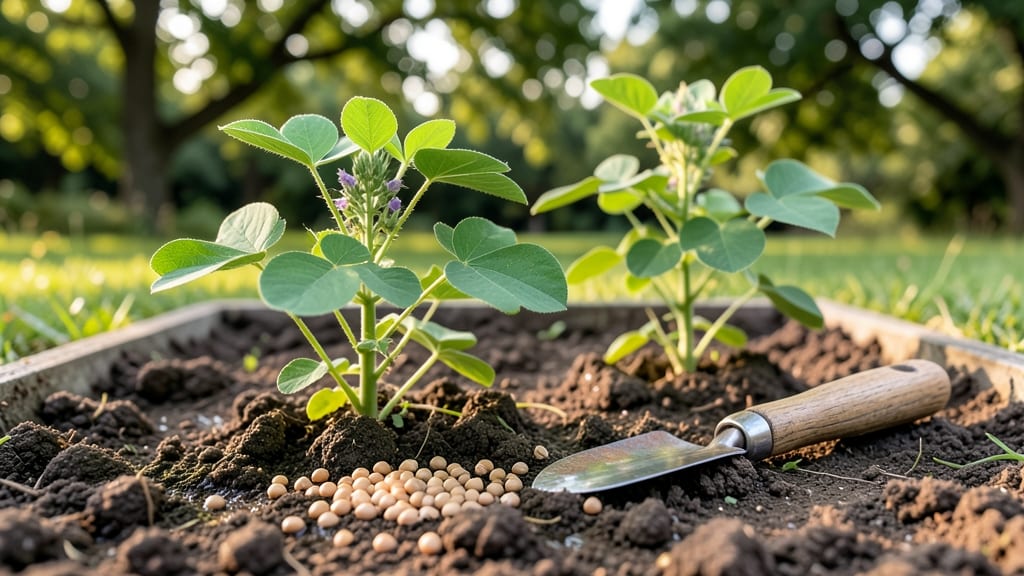
Timing your alfalfa planting in Alabama could mean the difference between a lush, productive field and wasted seeds. With USDA zones 7a-8b and unpredictable frost patterns, getting it right is critical for this hardy perennial.
The ideal window—late winter to early spring—aligns with soil warming and avoids those sneaky late frosts that can stall growth.
You might assume alfalfa’s drought resistance makes it low-maintenance, but planting too early in North Alabama or too late in the South can leave your crop struggling. Local farmers swear by cold-hardy varieties like Alfagraze, which thrive when seeded just before the last frost around March 15.
But don’t rush—soil temps below 50°F can delay germination.
Here’s the game-changer: adjusting your planting schedule by region. Northern Alabama’s cooler microclimates may need seeds in the ground by February 15, while the warmer South can wait until March 15-30.
We’ll break down the exact steps to time it perfectly, whether you’re a small-scale farmer or just adding alfalfa to your forage rotation.
Ready to avoid common pitfalls and maximize your yield? Let’s dive into the best practices for Alabama’s unique growing conditions—so you can plant with confidence and watch that alfalfa stand tall all season.
Alabama’s best planting windows for alfalfa by region
Alabama’s diverse climate—from the cooler Appalachian foothills to the warmer Black Belt region—means alfalfa planting windows vary dramatically. In North Alabama (USDA zones 7a-7b), where frosts linger until mid-April, aim for late February to early March planting.
Meanwhile, South Alabama (zones 8a-8b) can start as early as January with minimal frost risk.
Local Alabama Extension Service data shows that March 1st is the safest average planting date for most regions, balancing frost risk and soil warmth. However, soil temperature is your best guide: wait until the ground reaches 50°F (10°C) at 4-inch depth—this ensures seeds germinate quickly and avoid rot.
For large-scale farmers, I recommend checking NOAA frost forecasts in early February. In North Alabama, a late frost after planting can wipe out seedlings, while South Alabama may face heat stress if planted too early. Microclimates matter too—valley bottoms stay colder longer than ridge tops.
🌱
Alabama Alfalfa Planting Windows by Region
| Region | USDA Zone | Best Planting Window | Last Frost Date | Soil Temp Goal |
|---|---|---|---|---|
| North Alabama (Huntsville, Decatur) | 7a-7b | Late Feb - Early Mar | March 15-April 1 | 50°F (10°C) |
| Central Alabama (Birmingham, Montgomery) | 7b-8a | Mid-Feb - Mid-Mar | March 1-15 | 50°F (10°C) |
| South Alabama (Mobile, Dothan) | 8a-8b | Jan - Early Feb | Feb 15-Mar 1 | 55°F (13°C) |
| Coastal Alabama (Pensacola) | 8b | Dec - Jan | Jan 31-Feb 15 | 60°F (16°C) |
In North Alabama, I’ve seen Alfagraze varieties planted in February thrive when followed by a row cover until mid-March.
For home gardeners, a simple soil thermometer ($10 at garden centers) prevents costly mistakes. Black Belt soils (rich in clay) warm faster than sandy Coastal Plain soils, so adjust planting dates accordingly.
Pro tip: Overseeding in April can extend your harvest window. While alfalfa is perennial, first-year stands benefit from a light reseeding if early growth is sparse. This works especially well in Central Alabama, where April showers often follow dry March conditions.
For organic farmers, I recommend cover cropping with clover before planting alfalfa. This warms the soil naturally and adds nitrogen—critical for alfalfa’s deep root systems. In South Alabama, where humidity is high, I’ve had success with elevated beds to prevent seed rot.
Remember: Alfalfa’s first harvest won’t happen until 90-120 days after planting. If you’re aiming for a summer hay cut, March planting is ideal across most of Alabama. But if you’re growing for fall forage, late August reseeding can work in South Alabama’s warmer zones.
Local Alabama Farmers Federation reports show that March-planted alfalfa yields 20% more in the first year compared to April plantings. The key? Balancing frost risk with soil warmth—and having a backup plan for late frosts.
🌱
Alabama’s best planting windows for alfalfa by region
Alabama’s diverse climate means your alfalfa planting window can vary by 100+ miles. Northern counties like Huntsville (Zone 7a) face later last frosts (March 20-25), while southern areas like Mobile (Zone 8b) can plant safely until April 15.
This regional split affects everything from seedling survival to first-year yields.
Local farmers in North Alabama often plant by February 15 to beat unpredictable late frosts, while South Alabama growers wait until March 1-15 for warmer soils. The key difference? Soil temperature—alfalfa seeds need 50°F+ for germination, and northern soils warm slower.
Here’s how to match your region’s frost-free window with proven planting dates:
🌱 Alabama Alfalfa Planting Windows by Region
| Region | USDA Zone | Last Frost Date | Ideal Planting Window | Soil Temp Requirement |
|---|---|---|---|---|
| North Alabama | 7a-7b | March 15-25 | February 15 - March 10 | 50°F+ (10°C+) |
| Central Alabama | 7b-8a | March 1-15 | February 28 - March 20 | 50°F+ (10°C+) |
| South Alabama | 8a-8b | February 28 - March 15 | March 1 - April 15 | 55°F+ (13°C+) |
For North Alabama, aim to have seeds in the ground by March 10—any later risks frost damage to young seedlings. In Central Alabama, you’ve got a slightly longer window (until March 20), but don’t delay past April 1 or summer heat will stress germination.
Pro tip: Check the Alabama Agricultural Statistics Service frost forecast weekly. If a late frost is predicted after your planting, delay by 2-3 weeks. Soil thermometers (available for $15) are your best friend—wait until readings hit 50°F consistently for 5+ days.
Remember, alfalfa’s first-year growth hinges on these dates. Planting too early in cold soils leads to rot and poor stands, while late planting reduces fall regrowth. Balance is key—especially in Alabama’s unpredictable spring weather.