
Planting
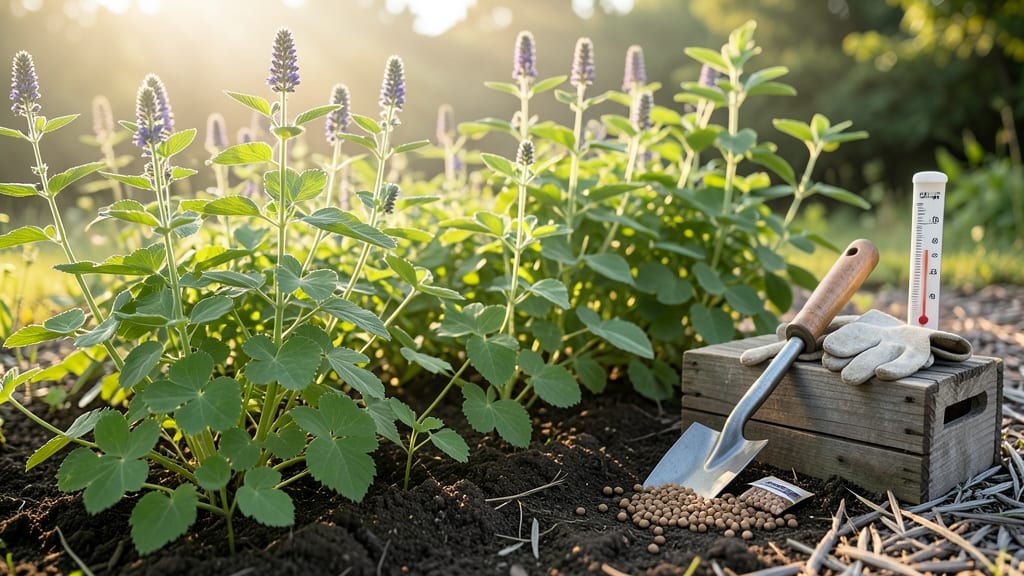
Timing your alfalfa planting in the fall can mean the difference between a thriving spring harvest and wasted effort. The 4-6 week window before frost is your sweet spot—plant too early, and seedlings may bolt; too late, and winter’s chill will stall growth.
With the right approach, though, you’ll set up your 🌱 alfalfa for a resilient root system that bounces back stronger next season.
If you’re in USDA Zone 6a or similar climates, aim for late August to early September—just as summer’s heat eases but before temperatures dip too low. This balance gives young plants time to establish roots before winter sets in, while avoiding the stress of late-season planting.
The key? Choosing cold-hardy varieties and preparing your soil properly to shield seedlings from freeze-thaw cycles.
You might wonder why bother with fall planting at all—after all, alfalfa is often sown in spring. But planting in the fall offers a critical advantage: cooler temperatures reduce weed competition, and the plant’s deep taproot gets a head start on accessing moisture.
Just be mindful of frost dates; rushing the process could leave your crop vulnerable to heaving or outright failure.
Let’s break down the exact steps to time your planting perfectly, from selecting the right variety to protecting your seedlings through winter. By the end, you’ll know exactly when to plant alfalfa in the fall for a garden that rewards you with lush, productive regrowth in spring.
Ideal fall planting windows for alfalfa by USDA hardiness Zones
Timing your alfalfa planting in fall is all about balancing soil warmth and frost avoidance. Plant too early, and seedlings may struggle; too late, and winter kills them before roots establish.
The sweet spot? 4-6 weeks before your first frost, when soil temps hover between 60-70°F—ideal for germination.
Alfalfa thrives in USDA Zones 3-11, but fall planting windows vary dramatically. Northern growers (Zones 3-5) should aim for late August to early September, while Southern gardeners (Zones 8-11) can extend planting until mid-October.
The key is ensuring seedlings have 4-6 weeks of growth before hard frosts hit.
For Zone 6a (like my garden in upstate New York), I plant alfalfa around September 1st, giving seedlings time to reach 2-3 inches tall before our November 15th first frost. This timing lets roots establish while avoiding freeze-thaw heaving—a common alfalfa killer.
Here’s how to adjust timing by zone—plus soil temp thresholds—to maximize survival and spring regrowth:
Pro tip: Use a soil thermometer to confirm temps—alfalfa seeds won’t germinate below 50°F. If your soil cools faster than expected, opt for cold-hardy varieties like 'Moapa' or delay planting until spring.
Regional microclimates matter too. In Zone 6a, I’ve seen success planting into early October if we have a warm fall, but last year’s unexpected frost in late September wiped out my late-planted batch. Always check your local frost dates and adjust by 1-2 weeks for safety.
For Zone 7+ gardeners, fall planting is low-risk—just avoid planting after October 15th in most areas. The goal is to let seedlings establish roots before dormancy, not push growth too late into winter. Mulch heavily after planting to insulate roots from freeze-thaw cycles.
One mistake I made early on? Planting alfalfa in late September in Zone 6a without mulch. The seedlings survived the first frost but heaved out of the soil during thaw cycles, stunting growth. Now, I always add 4-6 inches of straw mulch after planting to prevent this.
Remember: Alfalfa’s regrowth potential depends on how well it overwinters. Seedlings that are too small or stressed may not bounce back in spring. Aim for healthy 4-inch plants before winter sets in for the best results.
How to choose cold-hardy alfalfa varieties for fall planting
Choosing the right alfalfa variety is key to success when planting in fall. Not all alfalfa thrives in cold climates, so opt for cold-hardy types that can withstand winter temperatures and regrow vigorously in spring.
The best varieties for fall planting are bred for low-temperature tolerance and quick root establishment before frost sets in.
Look for varieties labeled as fall-planted or winter-hardy, such as 'Moapa,' 'Ladak,' and 'Cimarron.' These are proven to survive USDA Zones 3-7 with proper care. If you’re in a milder zone (8+), you can still plant fall varieties, but timing becomes less critical.
Here’s what to prioritize when selecting your variety: cold tolerance ratings, regrowth potential, and maturity timelines. For example, 'Moapa' is a top pick for northern climates due to its exceptional frost resistance, while 'Cimarron' is ideal for drought-prone areas with its deep root system.
Avoid varieties marketed for warm-season planting, like 'DuPuits,' as they lack the cold resistance needed for fall survival. Always check the seed packet for fall-planting recommendations—this ensures you’re getting a variety bred for your climate’s challenges.
Pro tip: If you’re unsure which variety to pick, start with 'Moapa' for its reliability in cold zones. It’s a favorite among organic farmers for its high regrowth rate after winter dormancy. Pair it with a thick mulch layer (3-4 inches) to boost its chances of surviving harsh winters.
Once you’ve selected your variety, focus on soil preparation and planting depth. Alfalfa seeds need well-draining soil and a consistent moisture level to germinate successfully in fall’s cooler temps. Aim to plant 4-6 weeks before your first frost for best results.