
Plants
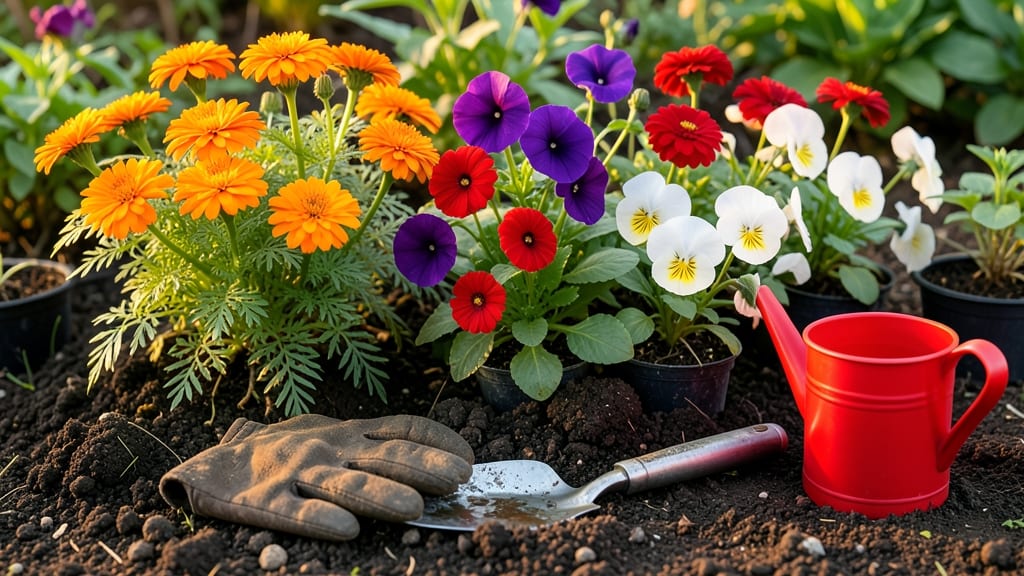
Timing when to plant annuals in Massachusetts can make or break your garden's summer vibrancy—because one late frost could turn your dream blooms into sad, wilted reminders.
Whether you're in Boston's urban heat islands or Cape Cod's coastal breezes, knowing when to plant isn't just about dates—it's about understanding your microclimate's quirks.
I've spent years watching annuals like marigolds 🌱 and zinnias thrive (or fail) in Massachusetts gardens, and the difference always comes down to timing. The key? Planting after your county's last frost date—but with a twist for heat-lovers that need even warmer soil.
Let me show you exactly when to start seeds indoors, when to transplant tender annuals, and how to stretch your growing season with simple tricks that actually work.
From Berkshire Hills to the North Shore, each region has its own rhythm. We'll break down the critical deadlines you need to know, plus how to protect your plants from unexpected cold snaps. No more guessing—just science-backed timing that keeps your garden blooming from June until frost.
Ready to transform your yard into a summer paradise? Let's dive into the county-specific schedules and pro tips that'll have your annuals flourishing when everyone else's is still struggling to survive.
Massachusetts county-by-county last frost dates for annual planting
Massachusetts’ diverse geography means last frost dates vary dramatically—from early May in coastal areas to late May inland. Heat-loving annuals like tomatoes and marigolds need at least 2-3 weeks frost-free to thrive, so timing is everything.
Urban areas like Boston often warm up faster than rural Berkshire County, where late frosts linger.
For cold-hardy annuals like pansies and snapdragons, you can plant as early as April 15 in southern counties. But for tender varieties like basil and petunias, wait until after your county’s average last frost date—or risk losing your investment to a surprise freeze.
Here’s the county-by-county breakdown you need to plan your annual flower schedule with confidence:
Pro tip: Use row covers or cold frames to plant 2-3 weeks earlier in risky counties like Berkshire. For container gardening, move pots to sheltered spots at night until temperatures stay above 50°F (10°C) consistently.
Remember, first frost dates in fall (typically October 15-November 1) determine when to harvest or replant cool-season annuals like cosmos and zinnias. Track your local USDA Zone 5b-6a trends—some years, late May frosts hit even coastal areas!
For succession planting, schedule fast-growing annuals like radishes or lettuce every 2-3 weeks after your last frost date to maximize your garden’s productivity all summer.
🌱
How to extend your Massachusetts annual planting season without risking frost
Even with perfect timing, Massachusetts’ unpredictable spring weather can leave your annuals vulnerable to late frosts. The good news? Simple season-extending tricks let you plant 2-4 weeks earlier—or keep blooms going until first frost in fall.
I’ve tested these methods in my own garden, and they’ve saved countless marigolds, zinnias, and basil plants from frost damage.
Start with row covers or cold frames, which raise soil temperatures by 5-10°F and protect seedlings from light frosts. For container gardeners, move pots to sheltered spots at night or use frost cloths—these work wonders for tender annuals like petunias and geraniums.
Season-Extending Methods for Massachusetts Annuals
Pros: Lightweight, reusable, raises soil temp by 5-10°F. Cons: Reduces sunlight by 10-30%. Cost: $10-$20 per 3x6ft.
Pros: Extends season by 4-6 weeks, protects from wind. Cons: Bulky, requires assembly. Cost: $50-$150.
Pros: Maximizes harvest, no gaps in blooms. Cons: Requires planning. Cost: Minimal (extra seeds).
Pros: Thrive in short seasons (e.g., zinnias, cosmos). Cons: Limited color choices. Cost: $2-$5 per packet.
For fall planting, focus on cool-season annuals like pansies, snapdragons, and calendula, which tolerate light frosts. Plant these 6-8 weeks before your first frost date (typically mid-September in most counties) for autumn color.
My top tip? Combine row covers with succession planting. Start with cold-hardy annuals in early spring, then add heat-lovers like marigolds after your last frost. This creates a non-stop bloom schedule from May until October!
🌿