
Trees
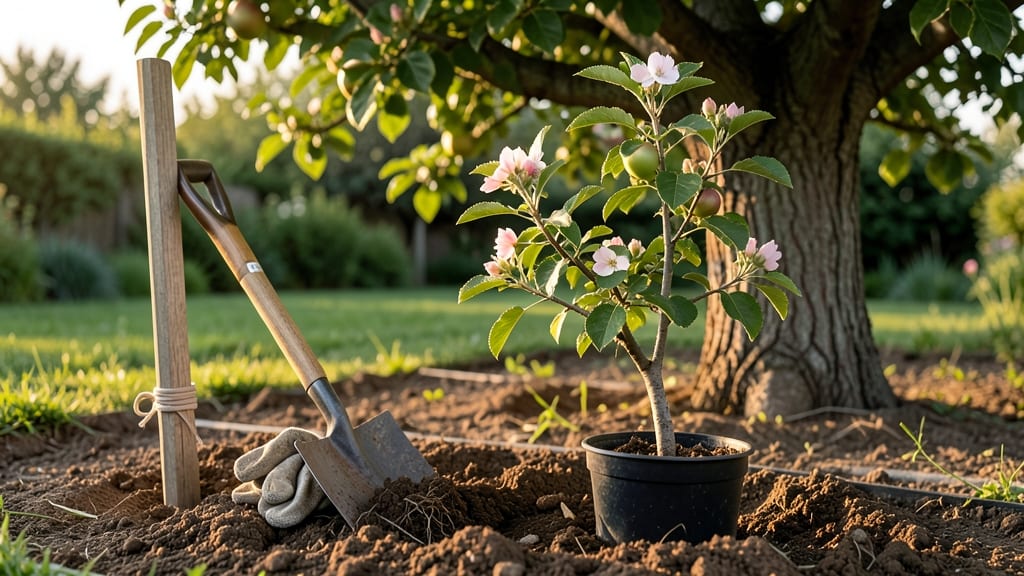
Planting an apple tree 🍎 in England at the wrong time can mean the difference between a thriving orchard and a struggling sapling. The key to success lies in understanding your region’s microclimate—whether you’re in frost-prone Yorkshire or milder Cornwall—because timing directly impacts root growth and winter survival.
Most gardeners in USDA zones 8a-9a know late autumn to early spring is the ideal window, but the exact month depends on soil conditions and frost risks. Plant too early, and frost can damage tender roots; too late, and your tree won’t establish before winter.
I’ll break down the best months for each region so you can avoid common mistakes and set your tree up for decades of harvests.
You’ll also discover whether bare-root or potted saplings work best for your timeline, how to prepare soil for optimal drainage, and when to prune for stronger growth. With these insights, you’ll confidently plant your apple tree 🍎 at the perfect moment—ensuring a healthy start and a fruitful future.
Ready to transform your garden into a productive orchard? Let’s dive into the science behind planting apple trees in England, so you can enjoy homegrown fruit for years to come.
Optimal planting months for apple trees by England’s climate zones
England’s diverse climate means the best time to plant apple trees varies by region. In the warmer southern areas like Kent or Sussex, you can plant as early as late February, while northern regions like Yorkshire or Scotland wait until April or May to avoid late frosts.
The key is planting when soil temperatures reach at least 8°C (46°F)—this ensures roots establish before summer heat arrives.
For bare-root saplings, the ideal window is late autumn (November-December) or early spring (March-April) while the tree is dormant. Container-grown trees offer more flexibility, allowing planting from autumn through spring, but avoid summer months when roots can dry out quickly.
Microclimates matter too! Coastal areas like Cornwall benefit from milder winters, allowing earlier planting, while inland spots may face harsher frosts. Always check your local frost-free forecast—planting too early in cold zones can stress young trees.
🌱
In coastal areas, milder temperatures allow planting up to a month earlier than inland spots. For example, Cornwall or Devon gardeners can start in February, while Derbyshire or Cumbria wait until April.
Always dig a test hole to check soil moisture—dry conditions delay planting until autumn rains return.
For container-grown trees, flexibility increases, but avoid planting in summer (June-August) when roots can overheat. If you must plant in summer, choose overcast days and water deeply every 2-3 days for the first month to reduce transplant shock.
🌿
Local nurseries often provide region-specific advice, so visit one before purchasing. They’ll recommend cold-hardy varieties like Bramley’s Seedling for northern climates or Cox’s Orange Pippin for milder southern gardens. Pair this with proper soil preparation—amending heavy clay with compost or sand—to improve drainage.
Remember: Root establishment takes 2-3 years, so planting at the right time maximizes long-term success. A well-timed apple tree can live—and fruit—for 50+ years with minimal care.
☀️
Signs your soil and weather are ready for planting apple trees
Before digging that hole for your apple tree 🍎, check these three critical signs: soil temperature, moisture levels, and frost-free forecasts. Cold soil below 8°C (46°F) can shock roots, while soggy ground delays planting.
Use a soil thermometer to confirm warmth—ideal temps vary by region, with southern England needing 8°C+ by April and northern zones waiting until May.
🌱
✅ Key Ready Signs
- Soil temp: 8°C+ (use thermometer)
- Moisture: Damp but not waterlogged
- Frost risk: No hard frosts forecasted
- Weather: Mild, overcast days preferred
🌡️ Pro Tip: Test soil 2 weeks before planting to adjust timing.
Moisture matters too—dig a test hole and check drainage. If water pools after 24 hours, amend with compost or grit to prevent root rot. For bare-root trees, plant when soil is cool but workable (November-March), while container-grown trees tolerate slightly drier conditions but still need consistent moisture.
Monitor the Met Office frost forecast—planting too early in late March risks frost damage, especially in Yorkshire or Scotland. Coastal areas like Cornwall face fewer risks, but inland spots should wait until after the last frost date (typically mid-May in most regions).
☀️
For container-grown trees, flexibility increases, but avoid planting in summer heat (June-August). If you must plant then, choose overcast days and water deeply every 2-3 days for the first month. Always plant in well-draining soil—amend heavy clay with sand or organic matter to improve aeration.
🌿
Finally, observe your garden’s microclimate. Sheltered spots near walls or fences warm up faster, allowing earlier planting. If your area has frost pockets, delay until after the last frost or choose cold-hardy varieties like Bramley’s Seedling.
With these signs checked, your apple tree 🍎 will establish strong roots and thrive for decades.