
Plants
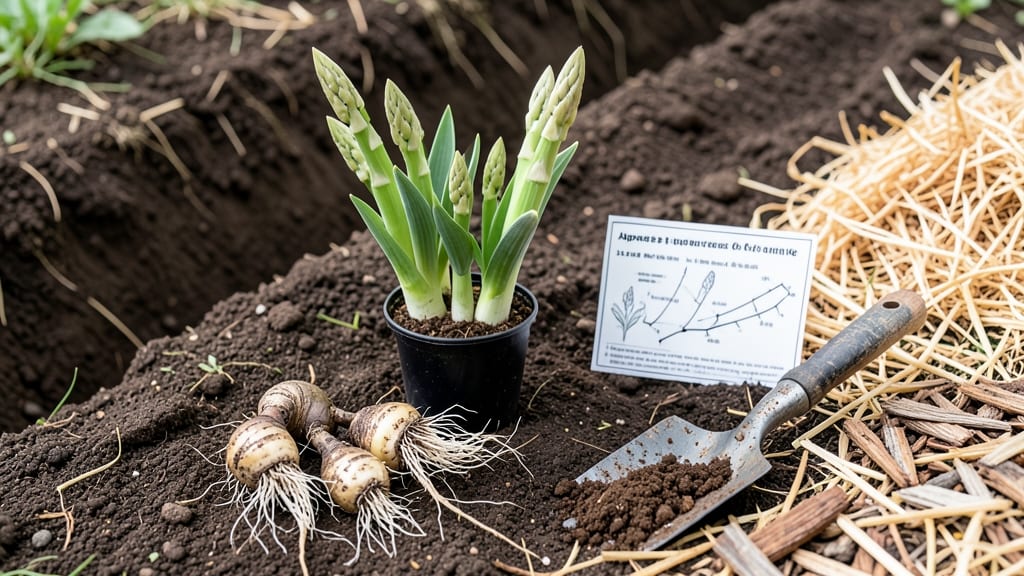
Planting asparagus in Kentucky at the wrong time could mean years of disappointment—this perennial favorite needs precise timing to thrive in your 6a-7a climate. The difference between a bountiful harvest and wasted effort often comes down to when you tuck those crowns into the soil.
Most gardeners in Kentucky know spring is the window, but the exact timing matters more than you might think. Plant too early, and frost will damage tender roots; too late, and your asparagus won't establish strong roots before summer heat sets in.
I’ll show you the frost-free deadlines for your county—and how to adjust if Mother Nature throws curveballs.
Here’s the game-changer: Kentucky’s March-April window isn’t just about dates—it’s about soil temperature, last frost averages, and even your specific microclimate. Whether you’re in Lexington’s humid valleys or Harlan’s cooler hills, these insights will help you plant with confidence.
Ready to grow asparagus that’ll reward you for years? Let’s dive into the perfect planting schedule for your Kentucky garden, so you can enjoy those first spears in just two seasons.
Kentucky asparagus planting zones: exact frost-free dates by county for best root establishment
Kentucky’s USDA Zones 6a-7a create unique challenges for asparagus growers, where last frost dates can vary by 2-3 weeks between northern and southern counties. Planting too early risks frost damage to tender crowns, while late planting delays root establishment—critical for a productive harvest.
Let’s break down the ideal planting windows by region to ensure your asparagus thrives.
For most of Kentucky, the sweet spot is late March through mid-April, when soil temperatures consistently reach 50°F+. However, high-altitude areas like Harlan County (Zone 6a) may need to wait until mid-April, while Western Kentucky (Zone 7a) can start as early as early March.
Microclimates—like Louisville’s urban heat islands—can also shift planting windows by 1-2 weeks earlier.
🌱
🌱 Kentucky Asparagus Planting Zones Summary
| Region | USDA Zone | Ideal Planting Window | Last Frost Avg. | Soil Temp. Threshold |
|---|---|---|---|---|
| Northern KY (e.g., Lexington, Louisville) | 6b | Late March - Early April | April 10-15 | 50°F+ |
| Western KY (e.g., Paducah, Bowling Green) | 7a | Early March - Mid-April | March 25 - April 5 | 50°F+ |
| Eastern KY (e.g., Pikeville, Harlan) | 6a | Mid-April - Early May | April 20-25 | 55°F+ |
| Bluegrass Region (e.g., Frankfort) | 6b | Late March - Early April | April 12-18 | 50°F+ |
If you’re in Zone 6a (like Harlan or Pikeville), wait until mid-April to avoid late spring frosts, which can kill young crowns. Meanwhile, Zone 7a growers in Western Kentucky can start as early as early March if soil temperatures are stable.
Always check NOAA’s 30-year frost averages for your specific county—these dates shift slightly each year.
For urban gardeners in Louisville or Lexington, consider planting 1-2 weeks earlier than rural areas due to the urban heat island effect. Test your soil temperature with a soil thermometer—plant only when it’s consistently 50°F+ for 3+ days. This ensures roots establish before summer heat arrives.
Pro tip: Use black plastic mulch in cooler regions to warm soil faster. This can push your planting window 10-14 days earlier in Zone 6a areas. Just remove it once spears emerge to prevent overheating.
🌿
Remember, asparagus crowns take 2-3 years to mature, so planting at the right time in Kentucky’s climate is non-negotiable. A well-timed planting in March-April sets the stage for decades of harvests, while poor timing can leave you with weak, unproductive beds.
Next, we’ll cover how to adjust for Kentucky’s unpredictable spring weather—because even the best-laid plans need backup strategies.
✂️
How to time asparagus planting for Kentucky’s unpredictable spring weather: pro tips for success
Kentucky’s spring weather is famously unpredictable—one day it’s 60°F and sunny, the next it’s 32°F with frost warnings. For asparagus, this means you can’t just follow a calendar.
Instead, I rely on soil temperature, NOAA forecasts, and a few tricks to protect tender crowns until they’re established.
The key is planting when your soil reaches 50°F consistently—this usually happens in late March to early April across most of Kentucky. But if you’re in Zone 6a areas like Harlan County, wait until mid-April to avoid frost damage.
Use a soil thermometer to check—it’s the most accurate way to time your planting.
🌱Pro Tip: If you’re worried about late frosts, use black plastic mulch or row covers to warm the soil faster. Lay it down 1-2 weeks before planting to raise soil temps by 5-10°F. This gives you a 2-week buffer if frost delays your schedule.
Check NOAA’s Louisville and Lexington alerts for last frost dates. Aim to plant 2 weeks before the average last frost for your county.
Low-lying areas (like the Bluegrass Region) warm up faster than hills (like Eastern Kentucky). If you’re unsure, ask local gardeners at your county extension office for their success dates.
Crowns (most common) should go in March-April. Seeds need a longer growing season—start them indoors in February and transplant after last frost.
If frost hits after planting, cover crowns with straw mulch (4-6 inches) to insulate roots. This buys you 1-2 extra weeks of protection until soil warms.
Planting in February is risky—Kentucky’s clay-heavy soils stay cold and waterlogged, leading to rot. Wait until soil temps rise above 50°F consistently.
For gardeners in Western Kentucky (e.g., Paducah), where springs arrive earlier, you might plant as early as mid-March. But in Eastern Kentucky (e.g., Pikeville), hold off until late April to avoid frost. The rule of thumb? Plant when daffodils bloom—this natural indicator aligns with soil temps.
Once your asparagus crowns are in the ground, water deeply to settle soil around roots, and keep the bed weed-free for the first 6 weeks. This helps roots establish before summer heat arrives.
With the right timing, you’ll be harvesting spears in just 2 years—not the 3+ years many gardeners wait for!
✂️ Remember: The first year is all about root growth—don’t harvest anything! Let those fern-like fronds photosynthesize to build energy for next season’s bounty.