
Plants
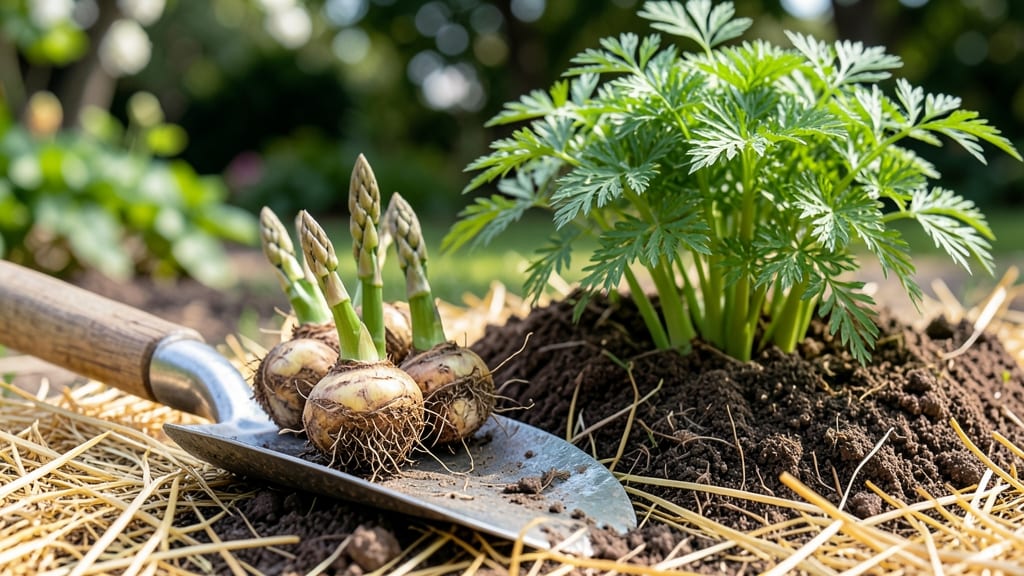
Timing your asparagus planting in Minnesota could mean the difference between a thriving perennial crop and a wasted investment—because those 4a-5b zone frosts don’t play around. Plant too early, and your crowns might rot in soggy soil; too late, and you’ll miss the narrow window before summer’s heat sets in.
The key is knowing exactly when to get those roots in the ground for a harvest that could last decades.
Most Minnesota gardeners swear by early spring planting—think March to April—when soil temperatures hover around 50°F and the threat of hard frosts has passed. But here’s the catch: your location matters.
Southern Minnesota’s milder climate might allow for slightly earlier planting, while northern zones need to wait until after the last frost date, usually around April 15. And let’s be honest—waiting for the perfect moment can feel like watching paint dry, but trust me, it’s worth it.
You’ve got two main options: planting crowns (the tried-and-true method for faster results) or seeds (which take patience and a longer wait for spears). Crowns are the smart choice for Minnesota’s short season—they establish quicker and give you spears in just 2-3 years.
But whether you go with crowns or seeds, the real secret is prep. Amending your soil with compost and choosing a spot with full sun will set your asparagus up for success, even in Minnesota’s rocky or clay-heavy dirt.
Ready to dig in? I’ll walk you through the exact steps—from picking the right variety to avoiding common mistakes that Minnesota gardeners make. Spoiler alert: mulching isn’t just for looks, and your first harvest might surprise you. Let’s get those 🌱 crowns in the ground the right way.
Best months to plant asparagus in Minnesota (by climate Zone)
Minnesota’s USDA zones 3a-5b demand precision when planting asparagus crowns. The ideal window spans March through April, but exact timing depends on your local frost dates and soil temperature. In Zone 3a (northern MN), wait until late April when soil reaches 50°F—earlier risks frost damage.
Gardeners in Zone 5b (southern MN) can plant as early as mid-March, provided the ground isn’t frozen.
Asparagus is a perennial crop, meaning first-year crowns establish roots while producing no harvestable spears. The second and third years yield your first edible spears, so planting at the right time ensures a 20+ year harvest.
Fall planting is not recommended in Minnesota due to winter heaving—crowns pushed out of soil by freeze-thaw cycles.
Use Minnesota’s average last frost dates as your guide:
- Northern MN (Zone 3a-4a): Wait until April 20-May 1
- Central MN (Zone 4b-5a): Plant by April 15
- Southern MN (Zone 5b): Start as early as March 15
| Zone | Best Planting Window | Soil Temp Threshold | Key Consideration |
|---|---|---|---|
| 3a (North) | Late April - Early May | 50°F+ | Avoid early planting; risk of frost heave |
| 4a-4b (Central) | Mid-April | 45°F+ | Ideal balance of soil warmth and frost risk |
| 5a-5b (South) | Mid-March - Early April | 40°F+ | Earliest zone; monitor for late frosts |
🌱 Pro Tip: Use a soil thermometer—plant only when soil stays above 50°F for 5+ days.
For container growing (e.g., raised beds), plant 2-3 weeks earlier than in-ground—containers warm faster in spring. However, avoid containers smaller than 12" deep, as asparagus roots need 18"+ depth to thrive.
In clay-heavy soils (common in southern MN), amend with compost or sand to improve drainage—waterlogged roots cause root rot and stunt growth.
Timing also affects harvest readiness. Crowns planted in early April typically produce spear-ready shoots by late May in Zone 5b, while northern plantings may delay harvest until early June.
Plan your planting date to align with your last frost date—aim for 60 days after frost before your first harvest window (usually May-June).
If you miss the spring window, fall planting is possible but risky. Plant 6-8 weeks before first frost (typically late August-early September in MN) to allow roots to establish before winter. However, Zone 3a gardeners should avoid this—crowns rarely survive the -20°F winters without heavy mulch (12"+).
Test your soil’s pH (6.5-7.0 ideal) and drainage before planting. Asparagus hates waterlogged conditions, so choose a slightly elevated bed if your yard has poor drainage. Add organic matter like composted manure to improve fertility—this perennial crop benefits from 3-5 years of nutrient-rich soil.
After planting, mulch heavily (4-6" of straw or wood chips) to:
- Insulate roots in winter
- Suppress weeds that compete for nutrients
- Retain moisture during dry spells
Remember: Patience is key with asparagus. While you won’t harvest in Year 1, proper spring planting sets the stage for 20+ years of low-maintenance harvests. Mark your planting date on a calendar and note your first spear emergence—this helps predict future harvest windows.
With the right timing, your Minnesota garden could yield 20-30 spears per plant by Year 3! 🌱
Top 3 cold-hardy asparagus varieties for Minnesota gardens
Minnesota’s harsh winters and short growing season demand asparagus varieties that thrive in USDA zones 3a-5b. The right variety can mean the difference between a bountiful harvest and a failed crop. Look for disease-resistant, frost-tolerant types that handle Minnesota’s rocky soils and acidic pH.
Here are my top 3 picks for Minnesota gardens, each chosen for their cold endurance, yield potential, and spear quality.
Purple Passion steals the show with its vibrant purple spears (yes, they turn green when cooked!) and exceptional cold hardiness. This variety thrives in Zone 3a and produces 25+ spears per plant by Year 3. Its disease resistance makes it ideal for Minnesota’s humid summers, and it adapts well to rocky soils common in northern regions. Plant 12-18 inches apart in well-drained soil—this variety hates soggy roots.
Jersey Knight is the workhorse of Minnesota asparagus gardens, prized for its consistent yields and tight, tender spears. It tolerates acidic soils (pH 5.5-6.5), making it perfect for pine-needle-rich northern gardens. Unlike other varieties, Jersey Knight resists rust disease, a common issue in Minnesota’s wet springs. For best results, plant in early April (Zone 5b) or late April (Zone 3a) and mulch heavily to protect roots during freeze-thaw cycles.
Mary Washington, a classic green spear variety, remains a Minnesota favorite for its reliability and sweet flavor. While slightly less cold-hardy than the others, it still performs well in Zone 4a with proper winter protection. This variety is great for beginners because it’s forgiving of less-than-perfect soil and produces spears for 15+ years with minimal care. To maximize yield, fertilize lightly in early spring with a 10-10-10 balanced mix—avoid over-fertilizing, which can lead to fewer but thicker spears.
All three varieties benefit from full sun (6+ hours daily) and well-draining soil. If your garden has clay soil, amend with compost or sand before planting. Avoid planting in low-lying areas where water pools—root rot is a silent killer of asparagus crowns.
For Zone 3a gardeners, choose Purple Passion or Jersey Knight; they’ll reward you with spears in Year 2 despite the harsh winters.
Pro tip: Rotate crops every 3-4 years to prevent soil depletion. Asparagus is a heavy feeder, so replenish nutrients annually with composted manure or a low-nitrogen fertilizer. And here’s a secret—harvest spears in the morning when they’re most tender.
Stop harvesting by early July to let the plant replenish energy for next year’s crop. With the right variety, your Minnesota garden could yield 50+ spears per plant by Year 5! 🌱
Need more convincing? These varieties aren’t just cold-tolerant—they’re drought-resistant once established, making them perfect for Minnesota’s unpredictable rainfall. Plant one (or all three!) this spring, and you’ll be feasting on homegrown asparagus for decades to come.
Just remember: patience is key—your first harvest won’t come until Year 2 or 3, but the wait is worth it.