
Plants
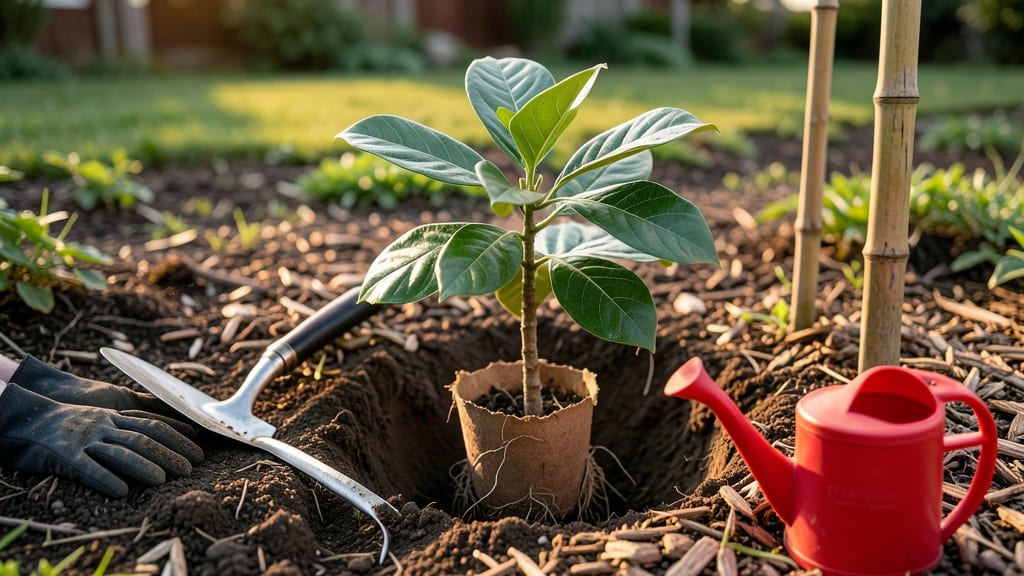
Planting an avocado tree 🥑 in Florida might seem simple—after all, the Sunshine State’s warm climate is perfect for tropical trees—but timing makes all the difference. Skip the best months, and your tree could struggle with slow growth or even die back, despite Florida’s frost-free zones.
Whether you’re in North Florida’s cooler 9a or South Florida’s humid 11, knowing when to plant ensures faster root establishment and healthier fruit production. The key? Avoiding extreme heat or sudden rain shifts that stress young roots.
I’ve researched Florida’s microclimates to break down the fastest-growing planting windows by region—plus soil prep tips to set your avocado up for success. Let’s dive into the best months and how to avoid common pitfalls.
From container-friendly options for urban yards to in-ground planting for rural homesteads, you’ll learn how to choose the right time for your location. Ready to grow your own avocados? Let’s get started.
Best planting months for avocado trees in Florida by region
Florida’s tropical to subtropical climate means you can technically plant avocado trees year-round, but timing still matters for optimal growth and fruit production. The best months depend on your region—North Florida’s cooler winters vs. South Florida’s consistent warmth.
Let’s break it down by zone to avoid common mistakes like heat stress or root rot.
Avocado trees thrive in USDA Zones 9a-11, covering all of Florida. However, microclimates within these zones create nuanced differences. For example, North Florida (Panhandle) can experience brief cold snaps, while South Florida (Miami, Key West) stays warm year-round.
Even Central Florida (Orlando, Tampa) has transitional weather that demands careful planning.
Here’s the region-specific breakdown of ideal planting windows, including soil prep tips and microclimate considerations to maximize your tree’s success.
🌱
Spring planting in North and Central Florida aligns with rising temperatures and increased rainfall, giving young trees time to establish roots before summer’s heat. Fall planting avoids the peak summer stress of July and August, when high temperatures and drought conditions can shock delicate roots.
In South Florida, the wet season (June-November) provides ideal moisture for root development, while dry season (December-May) offers cooler temps for transplanting. If you’re in a coastal microclimate, like near the Gulf or Atlantic, you may even plant in winter months without frost concerns.
For urban gardeners or those with limited space, container planting is a viable option year-round in Florida. Just ensure your pot has drainage holes and use a lightweight potting mix to prevent root suffocation. Move containers to protected areas during hurricanes or extreme heat.
🪴
One common mistake Florida gardeners make is planting bare-root trees during the hottest months (June-July). These trees are more susceptible to transplant shock and pests when stressed by heat. Instead, opt for container-grown trees, which have established root systems and adapt better to Florida’s humid conditions.
If you’re in North Florida and experience an unexpected cold snap (below 30°F), protect your young avocado tree with burlap wraps or a frost cloth.
Mature trees in South Florida rarely face frost issues, but young leaves can still suffer from windburn during storms. Prune damaged foliage immediately to encourage new growth.
Pro tip: Test your soil’s pH (ideal range: 6.0-7.0) before planting. Florida’s heavy clay soils often need amendments like compost or sand to improve drainage. A simple soil test kit (available at garden centers) will save you from costly mistakes.
☀️
Best planting months for avocado trees in Florida by region
Florida’s climate lets you plant avocado trees year-round—but not all months are equal. North Florida’s cooler zones (9a-9b) benefit from fall planting (September-October), while Central Florida (9b-10a) thrives with spring (March-April) or fall (October-November). South Florida (10b-11) can plant anytime, but early spring (January-February) gives young trees a head start before summer heat.
Why the difference? North Florida’s occasional cold snaps (even in winter) stress young roots, so fall planting lets trees establish before potential chilly spells. Meanwhile, South Florida’s humidity demands careful timing to avoid fungal diseases during rainy seasons. Let’s break it down by region for the fastest growth.
🌱 Visual Guide: Best Planting Windows by Region
| Region | Best Planting Months | Why This Time? | Avoid These Months |
|---|---|---|---|
| North Florida (9a-9b) | September-October (fall) | Cooler temps reduce transplant shock; roots establish before potential winter chills. | June-August (extreme heat), December-February (cold risk). |
| Central Florida (9b-10a) | March-April (spring) or October-November (fall) | Spring: Warm soil + rain boosts root growth. Fall: Avoids summer heat stress. | July-August (monsoons + heat), December-January (dry spells). |
| South Florida (10b-11) | January-February (early spring) | Drier air reduces fungal risk; trees grow fast before summer humidity peaks. | June-September (hurricane season + excessive rain). |
For North Florida growers, consider container planting if your yard gets cold snaps—you can move potted trees indoors during rare below-40°F nights. In South Florida, prioritize well-draining soil to prevent root rot from summer downpours.
Both regions should avoid peak hurricane season (June-November), as flooding can drown young roots.
Pro tip: Buy bare-root trees in fall for North/Central Florida—they’re cheaper and establish faster than potted varieties. For South Florida, container-grown trees handle humidity better during rainy seasons. Always check the USDA zone of your county to fine-tune timing!
Ready to plant? Next, we’ll cover soil prep tricks to ensure your avocado thrives—especially in Florida’s heavy clay. 🌿