
Plants
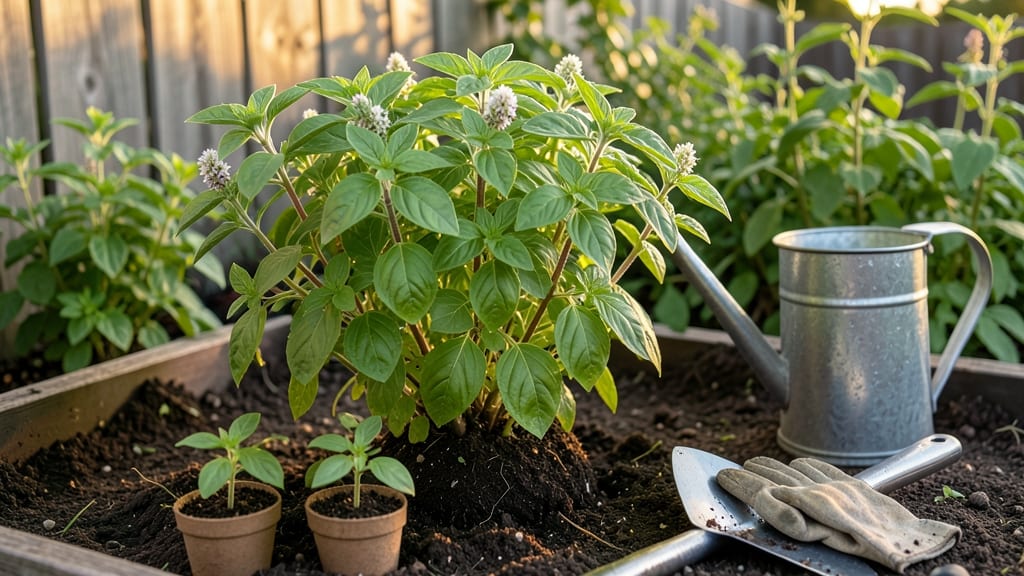
Timing your basil planting in Oklahoma isn’t just about avoiding frost—it’s about dodging the brutal summer heat that can turn your sweet herb into a bitter, bolted mess.
With Oklahoma’s USDA zones 6b-8a, you’ve got a narrow window to get it right, and missing it means sacrificing those fresh pesto nights.
Most gardeners in Oklahoma swear by planting basil after the last frost—typically mid-April to early May—but that’s only half the battle. The real trick is matching your planting schedule to your microclimate, whether you’re in a hot urban heat island or a cooler rural spot.
I’ll show you exactly how to align your calendar with Oklahoma’s unpredictable swings.
You’ll also discover why fall planting (late August) is just as critical as spring, and how simple adjustments—like shade cloth or black plastic mulch—can extend your basil’s prime growing season. No more wasted seeds or bitter harvests; just flavorful, homegrown basil all season long.
Ready to master the art of Oklahoma basil planting? Let’s dive into the heat-zone secrets that keep your plants thriving from June through September—no guesswork required.
Oklahoma’s basil planting calendar: avoiding heat stress and bolting
Oklahoma’s USDA zones 7a-8a create a unique challenge for basil growers—too early, and frost zaps your seedlings; too late, and the 100°F+ heat forces premature bolting. The sweet spot? Planting when soil temperatures hit 50°F+ and days stay consistently above 60°F.
This typically lands between mid-April and early May for spring plantings, but your exact timing depends on whether you’re in Tulsa’s urban heat island or western Oklahoma’s cooler plains.
For fall basil, aim to plant 4-6 weeks before your first frost—usually late August. This gives your plants enough time to mature before October’s chill sets in. Missing this window means harvesting bitter leaves or watching your plants succumb to early frost damage.
Here’s the golden rule for Oklahoma basil: Never plant when nighttime temps dip below 50°F. Basil is a warm-season herb, and cold snaps trigger stunted growth or even death.
Use black plastic mulch to warm soil faster in spring, or opt for container gardening to move plants indoors before frost.
🌱
Oklahoma’s microclimates play a huge role in basil success. Urban areas like Oklahoma City can be 5-10°F warmer than rural spots, meaning your neighbors’ perfect planting time might not work for you. Check your local Oklahoma State University Extension frost dates—these are your best guide.
For example, Tulsa’s last frost often hits March 30-April 15, while Albuquerque’s (just over the border) can be 2 weeks later.
Pro tip: If you’re in western Oklahoma, push spring planting to late April to avoid April frost surprises. In eastern Oklahoma, you can start as early as mid-March under row covers for a head start.
The key is matching your schedule to your local frost history, not just the statewide average.
Basil bolts—sends up flower stalks—when stressed by heat or drought. In Oklahoma, this usually happens by mid-July if planted too early. To delay bolting, plant heat-tolerant varieties like Thai basil or Purple Ruffles, and keep soil moisture consistent.
A mulch layer helps retain moisture and cool roots during 100°F+ days.
For container growers, Oklahoma’s short season is no problem. Start seeds indoors in March, then transplant outdoors after last frost. Containers also let you move basil to shadier spots during peak afternoon heat, buying you 2-3 extra weeks of harvest time.
Just ensure pots have drainage holes—basil hates soggy roots.
🌿
How to extend basil’s growing season in Oklahoma’s extreme heat
Oklahoma’s summer heat can turn your basil from a flavorful herb into a bitter, bolted disappointment faster than you can say "pesto." The key to success? Extending the growing season with smart strategies that protect your plants from Oklahoma’s sudden 100°F+ temperatures and high humidity.
I’ve tested these techniques in my own garden, and they’ve kept my basil thriving through July and August—when most gardeners give up.
First, let’s talk about shade cloth. Basil needs 6-8 hours of sun, but when temperatures hit 90°F+, even that becomes too much. A 30-50% shade cloth can drop leaf temperatures by 10-15°F, preventing bolting.
I start mine in late May and remove it in early September—just in time for fall planting.
Next, mulching is your secret weapon. A 2-3 inch layer of straw or wood chips keeps soil temperatures 10-15°F cooler and retains moisture. I’ve seen basil plants under mulch survive three-day heatwaves without wilting, while unmulched plants bolted within days.
For extra protection, try black plastic mulch in spring to warm the soil faster and reflective mulch in summer to bounce back heat.
🌿
🔥 5 Heat-Proofing Hacks for Oklahoma Basil
- 🌡️ Use shade cloth (30-50%) when temps hit 90°F+—install by late May and remove by early September.
- 🪴 Mulch heavily (2-3 inches) with straw or wood chips to regulate soil temps and lock in moisture.
- 💧 Water deeply in the morning (1-2 inches per week) and avoid wetting leaves to prevent fungal diseases.
- 🏺 Grow in containers with 10+ inches of depth—they heat up slower than in-ground soil and can be moved to shade.
- ✂️ Prune aggressively—pinch off flowers and harvest 1/3 of leaves weekly to encourage bushier, cooler-growing plants.
Container gardening is another game-changer. Basil in pots stays 10-15°F cooler than in-ground plants and gives you the flexibility to move it to shade during heatwaves. I use 10-12 inch pots with well-draining soil and add a heat-resistant saucer to catch excess water.
Pro tip: Place containers on elevated stands to improve airflow and reduce heat absorption.
Don’t forget about watering wisdom. Basil needs 1-2 inches of water weekly, but in Oklahoma’s heat, that means daily watering in July and August. I water mine before 10 AM to reduce evaporation and fungal risks.
A drip irrigation system or soaker hose delivers water directly to the roots, keeping leaves dry and healthy.
Finally, fall planting is your backup plan. Start seeds 4-6 weeks before your first frost (typically late August) for a second harvest. Use row covers in September to extend the season even longer. With these tricks, you can enjoy fresh basil from June through October—no bitter surprises included.
☀️