
Companion Plants
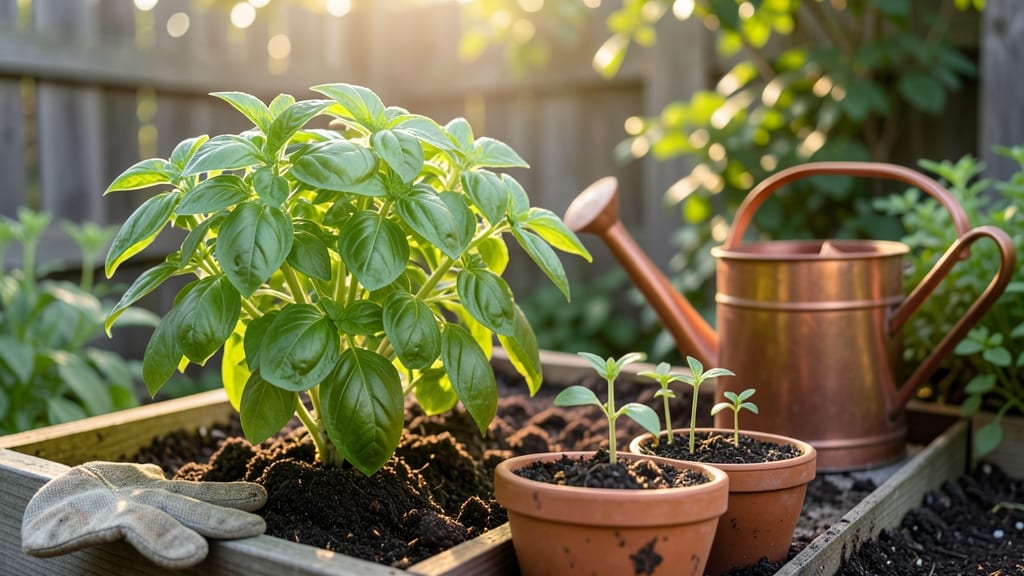
Timing your basil planting in Pennsylvania isn’t just about waiting for spring—it’s about dodging frost pockets that can turn your fragrant 🌿 into a sad, wilted mess. With last-frost dates swinging from mid-March in southern PA to late May in the north, getting it wrong means stunted growth or worse. The good news? A little local know-how lets you lock in the perfect window for zero frost risk, whether you’re starting seeds indoors or transplanting seedlings.
Here’s the secret: soil temperature matters just as much as calendar dates. Basil thrives when the ground warms to at least 50°F, signaling it’s safe to plant outdoors after your county’s last frost.
But don’t wait too long—basil hates heat, and planting after May 15 risks bolting (yes, that means your pesto will taste bitter). We’ll break down exactly when to plant in your corner of PA, plus how to stretch the season if Mother Nature throws curveballs.
Why does this matter? Because 60 days from planting is when your basil hits peak flavor—just in time for summer recipes. Miss the window, and you’ll either be fighting frost damage or watching your plants bolt before you can harvest.
Let’s cut to the chase: I’ll show you how to align your planting with your microclimate, whether you’re in Philadelphia’s urban heat zone or the cooler hills of the Poconos.
Ready to grow basil that’s lush, flavorful, and frost-free? Grab your calendar—we’re diving into county-specific deadlines, soil prep tricks, and how to keep your 🌿 thriving until October. No more guesswork, just a harvest-worthy garden.
Pennsylvania’s basil planting Zones: county-by-county frost-free deadlines
Pennsylvania’s last frost dates vary wildly—from mid-March in Philadelphia to late May in the Poconos. This means your basil planting window shifts dramatically depending on where you live.
For example, gardeners in Allegheny County can start outdoors by April 20, while those in Lackawanna County should wait until May 10 to avoid frost damage.
Basil thrives when soil temperatures hit at least 50°F—cold soil slows germination and invites rot. Use a soil thermometer to confirm readiness. In USDA Zones 5a-6a (northern PA), aim for May 1-15, while Zones 6b-7b (southern PA) can plant as early as April 1-15.
Urban areas like Pittsburgh often see 3-5°F warmer microclimates than rural zones.
Here’s how to find your exact planting window: Check the comparison table below for your county’s last frost date, then add 2-4 weeks for soil warming. For example, if your county’s last frost is April 25, plant basil May 10-15 to ensure roots establish before summer heat arrives.
| Region | Last Frost Date | Safe Planting Window | Soil Temp Check |
|---|---|---|---|
| Southeast PA (e.g., Philadelphia, Chester) | March 15-April 1 | April 15-May 1 | ≥50°F (April 1) |
| Central PA (e.g., Harrisburg, Lancaster) | April 1-April 15 | April 25-May 10 | ≥50°F (April 15) |
| Northeast PA (e.g., Scranton, Wilkes-Barre) | April 20-May 5 | May 10-May 25 | ≥50°F (May 1) |
| Northwest PA (e.g., Erie, Pittsburgh) | April 10-April 25 | May 1-May 15 | ≥50°F (April 20) |
| Mountainous PA (e.g., Poconos, Allegheny Plateau) | May 1-May 15 | May 20-June 1 | ≥50°F (May 10) |
For container-grown basil, you can plant 2-3 weeks earlier than in-ground, since pots warm faster. Fill containers with well-draining potting mix and place them in a south-facing spot to accelerate soil temperature.
If your county’s frost date is April 20, start container basil April 5 for a head start.
Mountainous regions like the Poconos and Allegheny Plateau often face late-spring frosts due to cold air pooling. Use a frost watch from the National Weather Service or local extension office to adjust your timeline. In these areas, Genovese basil (heat-tolerant) outperforms Sweet basil, which bolts faster in cooler climates.
Pro tip: If your county’s last frost is after May 1, consider starting basil indoors 6-8 weeks before your target outdoor date. Use grow lights to provide 12-14 hours of light daily until seedlings are 3-4 inches tall.
Harden them off for 7-10 days before transplanting after the frost risk passes.
Urban gardeners in cities like Philadelphia or Pittsburgh may experience heat island effects, where pavement and buildings raise temperatures by 5-10°F. This can push your planting window 1-2 weeks earlier than rural areas. Monitor your microclimate with a weather station or plant-based app like Gardenate for real-time adjustments.
Remember: Basil is an annual herb that won’t survive Pennsylvania’s first frost (October 1-November 15). Plan to harvest before temperatures drop below 40°F or bring potted basil indoors to a sunny windowsill for a late-season harvest.
With the right timing, you can enjoy fresh basil from June through October.
How to extend basil’s growing season in Pennsylvania’s unpredictable climate
Pennsylvania’s unpredictable frost pockets can turn your basil dreams into a soggy mess—even after the "official" last frost date. But with the right tricks, you can push your planting window 2-4 weeks earlier or keep your plants thriving until first frost in October.
The key? Heat protection and season extension tools that shield tender basil from late-spring freezes and early autumn chills.
Start with cold frames or row covers—these simple tools can add 4-6°F of warmth, letting you plant basil 3 weeks before your county’s last frost date. For example, in Philadelphia (Zone 7a), that means you could start seeds outdoors by March 20 instead of waiting until April 15.
Just remember: remove covers during the day once temps hit 70°F to avoid overheating.
Succession planting is another game-changer. Instead of betting everything on one batch, sow new seeds every 2 weeks from April through June. This ensures a continuous harvest from July until October’s first frost. Pro tip: use heat-tolerant varieties like ‘Thai basil’ or ‘Lemon basil’—they handle PA’s 90°F+ summers better than classic Genovese.
Add 4-6°F warmth to plant 3 weeks early. Remove covers when temps exceed 70°F.
Sow seeds every 2 weeks from April–June for a nonstop harvest until frost.
Choose ‘Thai’ or ‘Lemon basil’—they handle 90°F+ better than Genovese.
Use straw or wood chips to keep soil 5°F warmer and retain moisture.
Move pots to sunny porches or garages at night if frost threatens after May 15.
Don’t overlook mulching—a 2-inch layer of straw or wood chips can keep soil 5°F warmer and lock in moisture, which is critical during PA’s dry July summers. For container gardeners, flexibility is your superpower.
If a late frost sneaks in after May 15, simply move pots to a sunny porch or garage at night and return them to the garden by 10 AM.
Even with these tricks, late-spring frost pockets (common in PA’s valleys and high elevations) can still catch you off guard. My secret weapon? A frost cloth draped over seedlings on nights when the forecast calls for 32-36°F. It’s lightweight, breathable, and adds just enough insulation to save your plants.
And if you’re in northwest PA (Erie or Bradford counties), where frosts linger until May 15, consider starting basil indoors in late March under grow lights.
With these tactics, you can turn PA’s short growing season into a basil bonanza. The payoff? Fresh leaves for pesto, salads, and tomato dishes from June through October—no bitter bolting in sight.
Just remember: monitor weather forecasts like a hawk, and don’t hesitate to act fast when frost warnings pop up. Your future pesto-making self will thank you.