
Plants
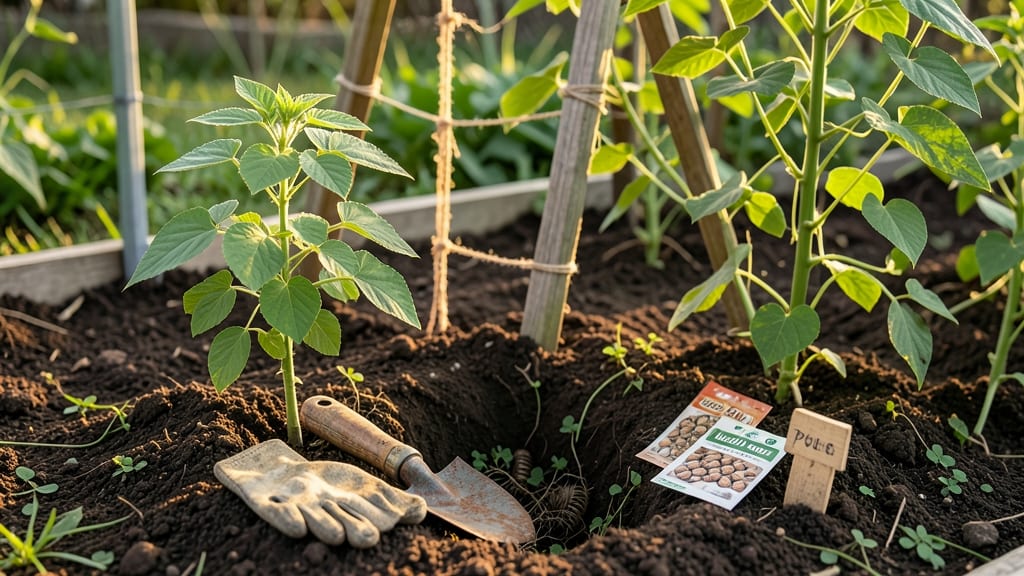
Timing your beans 🌱 planting in Kentucky isn’t just about checking a calendar—it’s about playing the climate’s game. One week too early, and your seedlings might freeze; one week too late, and you’ll miss peak harvest season.
The difference between a bountiful garden and a disappointing one often comes down to knowing exactly when soil warms up and frost risks fade.
Kentucky’s 6a-7a zones create a patchwork of microclimates where last frost dates can vary by weeks. Whether you’re in Louisville’s urban heat islands or the cooler Appalachian foothills, planting too soon risks stunted growth from chilly soil.
But get it right, and you’ll enjoy fresh beans 🌱 from June through October—with minimal effort.
In this guide, I’ll break down the exact windows for planting bush and pole varieties, plus how to adjust for your county’s unique frost patterns. You’ll learn how to test soil warmth, choose the right varieties for your region, and even extend your harvest with smart succession planting.
Ready to turn your Kentucky garden into a beans 🌱 powerhouse? Let’s get those seeds in the ground at the perfect moment—no guesswork, just results.
Kentucky bean planting deadlines by county: frost-free & soil warmth guidelines
Kentucky’s USDA hardiness zones 5a-7a create dramatic differences in planting windows—just 30 miles can shift your last frost date by 2 weeks. For beans, which need soil temperatures above 60°F and frost-free conditions, timing is everything.
I’ve broken down the critical deadlines by region to help you avoid stunted plants or wasted seeds.
Most Kentucky counties fall into three key planting zones: Northern (cooler), Central (moderate), and Southern (warmer). The last average frost date ranges from April 15 in Northern KY to March 20 in far Southern counties.
But don’t rely solely on dates—soil warmth is your real guide. Use a soil thermometer to confirm 60°F+ soil before planting.
Here’s your county-by-county breakdown, including early/late variety recommendations and backup planting windows for risky areas:
| Region | Last Frost Date | Planting Window | Soil Temp Threshold | Early Variety | Late Variety |
|---|---|---|---|---|---|
| Northern KY (e.g., Hopkins, Ohio) | April 20-25 | May 1-15 | 60°F+ (late May) | Blue Lake Bush | Kentucky Wonder Pole |
| Central KY (e.g., Louisville, Lexington) | April 5-10 | April 20-May 10 | 60°F+ (early April) | Provider Pole | Romano |
| Southern KY (e.g., Paducah, Bowling Green) | March 10-20 | March 25-April 15 | 60°F+ (late March) | Contender | Blue Lake |
| All Regions | Backup Window | June 1-15 (for fall harvest) | N/A | Black Valentine | Tendercrop |
For Northern Kentucky, where frosts linger until late April, I recommend starting bush beans like Blue Lake in early May. These mature quickly (50-55 days) and tolerate cooler soils better than pole varieties.
In Central Kentucky, you can push the envelope with pole beans like Provider, which thrive in warmer soil and produce longer.
Southern Kentucky gardeners have the luxury of earlier planting, but don’t rush—wait until March 25 even in the warmest zones.
The Contender variety is my top pick for early plantings here; it handles soil temperatures as low as 55°F and resists root rot in heavy clay soils common along the Mississippi River valley.
Pro tip: Use row covers to extend your season by 2-3 weeks in cooler zones. I’ve had success planting Kentucky Wonder pole beans under covers as early as April 1 in Louisville, giving me a 6-week head start on the harvest.
Just remove covers when flowers appear to prevent heat stress.
If you’re in a high-elevation county like Letcher or Knott, add 1-2 weeks to these deadlines. The Appalachian ridges can experience late frosts well into May, so I always plant my backup batch in June for a fall harvest before the first frost in mid-October.
For urban gardeners in Louisville or Lexington, microclimates near buildings or pavement can create warmer soil 1-2 weeks earlier. Test your soil with a thermometer—if it hits 60°F by April 15, you’re safe to plant.
How to adjust bean planting time for Kentucky’s microclimates: river valleys vs. mountains
Kentucky’s geography creates dramatic differences in planting times—just 50 miles can shift your last frost date by weeks. Western Kentucky’s river valleys, like those near Paducah, often warm up 2-3 weeks earlier than the Appalachian foothills near Corbin.
These microclimates aren’t just about elevation; urban areas like Louisville also experience "heat islands" that push planting dates forward.
For example, pole beans (like Kentucky Wonder) need 90+ days to mature, while bush beans (like Blue Lake) thrive in 50-60 days.
In warmer zones (6b-7a), you can plant bush beans as early as mid-April, but in cooler Zone 5a areas (eastern KY), wait until late May to avoid frost damage.
| Region | Last Frost Date | Soil Warmth Goal | Best Planting Window | Microclimate Tip |
|---|---|---|---|---|
| Western KY (Paducah, Owensboro) | Mid-April | 60°F+ (by early April) | April 1-15 | Plant near water bodies for extra warmth |
| Central KY (Louisville, Lexington) | Late April | 60°F+ (by mid-April) | April 15-May 1 | Urban areas warm faster—plant 1 week earlier |
| Eastern KY (Corbin, Pikeville) | Early May | 60°F+ (by late April) | May 1-15 | Use black plastic mulch to warm soil faster |
If you’re in a shady garden (common in wooded areas), opt for pole beans like Scarlet Runner—they tolerate partial shade better than bush varieties. For full-sun spots, bush beans like Provider mature faster, giving you an earlier harvest.
I’ve found that succession planting every 2 weeks after the initial date extends harvests by 6-8 weeks.
For mountain regions, consider cold-hardy varieties like Tendergreen, which can handle light frosts if planted in late April. In river valleys, where heat builds quickly, heat-tolerant varieties like Black Valentine thrive even in 90°F+ temperatures.
Always test soil warmth with a soil thermometer—60°F is the magic number for germination.
Pro tip: In high-elevation areas, plant pole beans near a south-facing fence to capture reflected heat. This can push your planting window 10 days earlier than open-ground planting.
And if you’re near a lake or river, plant 1-2 weeks later—these areas stay cooler longer due to water’s heat-sinking effect.
Adjusting for microclimates means watching local weather patterns for 3 years to spot trends. My Appalachian garden in Zone 6a often gets late frosts in May, so I’ve switched to late-season varieties like Blue Lake Bush for a September harvest instead of risking early planting.