
Plants
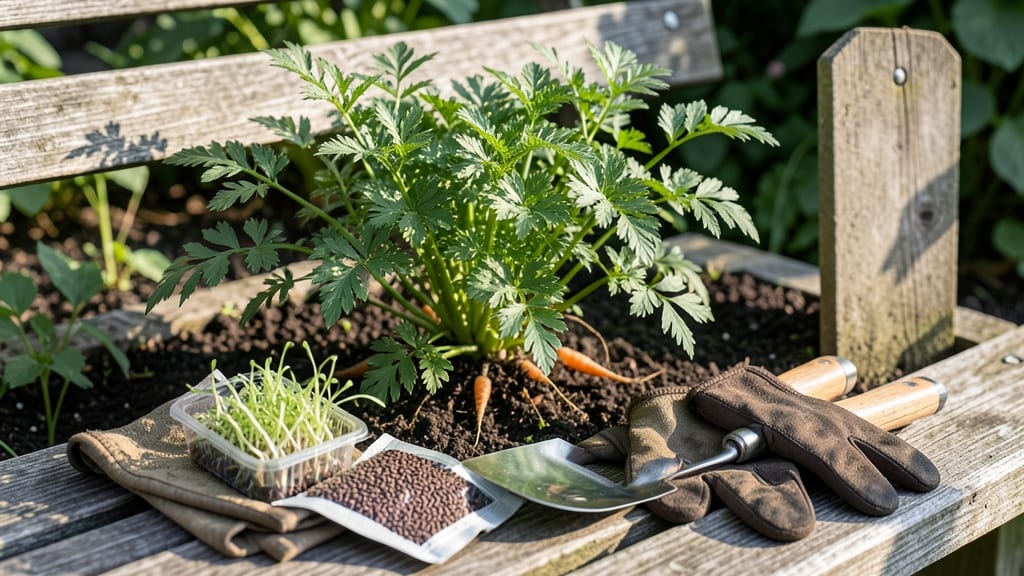
Timing your carrot planting in Kentucky makes all the difference—get it wrong, and you’ll either battle frost or end up with bitter, woody roots. The 6a zone’s short growing season demands precision, but with the right schedule, you can enjoy crisp, sweet 🥕 harvests twice a year.
Most gardeners in Kentucky struggle with the same question: When exactly should I plant? The answer depends on your last frost date (around April 15 for most areas) and whether you’re aiming for a spring or fall crop.
Plant too early, and seedlings will bolt in the heat; too late, and you’ll miss the window entirely.
In this guide, I’ll break down the exact planting windows for both seasons, including soil temperature tips and succession planting strategies to maximize your yield. Whether you’re a beginner or a seasoned gardener, these insights will help you avoid common mistakes and grow perfect carrots all season long.
Ready to transform your garden? Let’s dive into the frost-free planting schedule that works for Kentucky’s climate—so you can enjoy homegrown carrots from June through November.
Kentucky carrot planting calendar: exact dates by Zone 7a/7b frost deadlines
Kentucky’s Zone 7a/7b climate gives you two prime windows to plant carrots: spring and fall. Miss these timelines, and you risk frost damage or woody, bitter roots from summer heat. Let’s break down the exact dates and soil conditions to maximize your harvest.
For spring planting, aim to sow seeds 4-6 weeks before your last frost date—typically mid-March to early April in Kentucky. Carrots need soil temperatures of 60-70°F to germinate properly. If you plant too early, cold soil will delay sprouting, leaving your bed vulnerable to weeds.
Fall planting works best from mid-July to early August. This gives carrots time to mature before the first frost hits around mid-October. Choose shorter-day varieties like Danvers or Nantes for faster harvests before winter sets in.
| Planting Window | Soil Temp | Days to Harvest | Notes |
|---|---|---|---|
| Spring: Mid-March to Early April | 60-70°F | 60-80 days | Use row covers if frost threatens. |
| Fall: Mid-July to Early August | 55-65°F | 50-70 days | Choose fast-maturing varieties for shorter days. |
| Succession Planting: Every 2 weeks | 60-70°F | 50-80 days | Stagger plantings for continuous harvests. |
Kentucky’s heavy clay soil can be tricky for carrots, which need loose, well-draining beds. Before planting, amend your soil with compost or sand to prevent forked or stunted roots. Test your soil’s pH—carrots thrive in neutral to slightly acidic soil (6.0-7.0).
If you’re in northern Kentucky (Zone 7a), err on the later side for spring planting—late March to early April—to avoid late frosts. Southern Kentucky (Zone 7b) can plant as early as mid-February in protected microclimates, like raised beds with row covers.
For succession planting, sow new seeds every 2-3 weeks after your initial planting. This ensures a steady supply of fresh carrots from June through November. Space seeds 1/4 inch deep and 1 inch apart to avoid overcrowding, which leads to small, misshapen roots.
Watch for bolt-resistant varieties like ‘Paris Market’ or ‘Rainbow’ if you’re planting in late summer. Long daylight hours can trigger premature flowering, ruining your harvest. Mulch with straw or grass clippings to keep soil moist and cool.
Harvest before first frost or when carrots reach 6-8 inches in length. Use a garden fork to loosen soil before pulling to avoid breaking roots. Store harvested carrots in sandy soil or damp sand in a cool, dark place for up to 3 months.
Pro tip: Plant carrots with onions or leeks to deter pests like carrot flies. Avoid planting near dill or parsley, which can attract the same pests and reduce yields.
How to extend carrot growing season in Kentucky’s humid climate
Kentucky’s humid summers and short frost-free window can challenge carrot growers, but with the right strategies, you can enjoy fresh harvests from spring through fall. The key is choosing bolt-resistant varieties and managing soil moisture to prevent rot in our heavy clay soils.
I’ve grown carrots in Zone 7a for years, and these proven techniques keep my garden productive even when temperatures climb.
🥕 Carrot Varieties for Kentucky’s Climate Not all carrots thrive equally in Kentucky’s heat. Danvers and Chantenay varieties handle our hot summers better than delicate types like Paris Market. For fall planting, Nantes types mature quickly before frost. Always check seed packets for days to maturity—aim for varieties that reach harvest before Kentucky’s first frost (October 15).
| Variety | Days to Maturity | Best Season | Why It Works |
|---|---|---|---|
| Danvers | 65-75 days | Spring/Fall | Heat-tolerant, stores well |
| Nantes | 55-65 days | Fall | Fast-growing, sweet flavor |
| Chantenay | 60-70 days | Summer | Short, stout shape resists splitting |
To prevent bolting in Kentucky’s heat, I swear by shade cloth during peak summer months. A 30-50% shade cloth reduces soil temperatures by 10-15°F, giving carrots time to mature without flowering prematurely.
For spring planting, use row covers if late frosts threaten—carrots can tolerate light frost but not freezing soil.
💧 Soil Moisture Management Kentucky’s heavy clay soil drains poorly, leading to rotten carrots. Amend beds with compost and coarse sand to improve drainage, then maintain consistent moisture. I water my carrot beds deeply every 2-3 days rather than daily shallow watering. Mulch with straw or shredded leaves to retain moisture and prevent soil crusting, which can stunt germination.
For fall harvests, start seeds 8-10 weeks before first frost (early August in Kentucky). Choose short-day varieties that mature quickly, and plant in raised beds if your yard has compacted soil.
This gives roots room to grow without hitting obstacles, and raised beds warm up faster in spring for earlier planting.
🌱 Extending Carrot Season: Pros & Cons
✅ Pros
- 🌿 Longer harvest window with spring/fall plantings
- 🥕 Better flavor from cool-season growth
- 💧 Reduced bolting with shade cloth
- 🌡️ Warmer soil in raised beds speeds germination
❌ Cons
- 🌧️ Risk of rot in Kentucky’s humid summers
- ⏳ Slower growth in heavy clay without amendments
- 💰 Extra effort for shade cloth and mulching
- 🐞 Pest pressure increases with extended growing season
My top tip for Kentucky gardeners: Succession plant every 2 weeks from March through August. This ensures a steady supply of fresh carrots without overwhelming your garden at once. For late summer plantings, use black plastic mulch to warm the soil and jumpstart germination.
Just With these strategies, you can enjoy homegrown carrots from May through November—no store-bought produce needed! The secret is adapting to Kentucky’s climate rather than fighting it. 🌱