
Plants
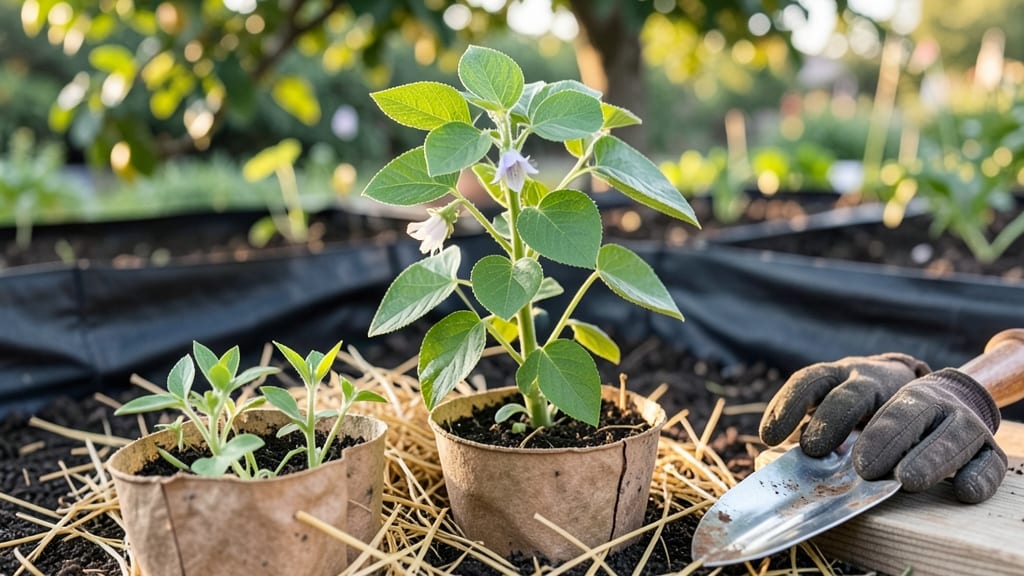
When to plant beans in Zone 5 can make the difference between a garden full of sweet, tender pods and one full of bitter, stringy disappointments—or worse, wasted seeds. If you've ever struggled with beans bolting too early or failing to thrive, you're not alone. The key lies in understanding your local frost dates and soil temperatures, which vary more than you might expect even within Zone 5.
Most gardeners in Zone 5 know the basics—wait for after the last frost—but what they often miss is that beans need soil temperatures of at least 60°F to germinate properly.
Planting too early when the ground is still cool can stall growth, while waiting too long risks running out of the growing season. The solution? A strategic approach that balances timing with variety selection, whether you're growing bush beans or pole beans.
In this guide, I'll break down the exact planting windows for both spring and fall, including how to adjust for your specific microclimate. You'll learn which varieties handle Zone 5's unpredictable weather best and how to avoid common mistakes that lead to wasted effort.
Let's get those 🌱 beans growing right.
By the end, you'll have a clear timeline for planting—whether you're starting seeds indoors or sowing directly in the garden—and the confidence to extend your harvest well into the season. No more guesswork, just sweet, homegrown beans all summer long.
Best spring planting dates for beans in Zone 5 (with heat tolerance guide)
In Zone 5, the best time to plant beans is after your last frost date, but there's a critical catch: soil temperature matters more than air temperature.
Most gardeners in northern Zone 5 (like Minneapolis) can start seeds indoors in early April, while those in southern Zone 5 (like Kansas City) may wait until mid-April. The key threshold? Soil temperatures must reach 60°F (15°C)—any cooler, and germination slows dramatically.
I've learned this the hard way—planting too early in my Zone 5b garden led to beans sitting in the soil for weeks before sprouting. To avoid this, use a soil thermometer ($10 at garden centers) or check local agricultural extension service reports for real-time soil temps.
Most Zone 5 regions hit this threshold between May 1-15, depending on microclimate.
For direct sowing (the preferred method for beans), aim for 2-4 weeks after your last frost. This gives the soil time to warm while still leaving plenty of time for a 60-65 day harvest before summer heat sets in.
In my experience, late April to early May works best for most of Zone 5, but I adjust based on whether I'm growing bush beans (faster maturing) or pole beans (longer season).
Here's my Zone 5 planting timeline that's worked reliably:
- Indoor starts: March 15-April 1 (for early varieties)
- Direct sowing: April 20-May 10 (adjust based on soil temp)
- Succession planting: Every 2 weeks until June 15
| Planting Window | Soil Temp Requirement | Variety Recommendations | Heat Tolerance |
|---|---|---|---|
| Early April (Indoor Starts) | 60°F+ (15°C+) | Blue Lake, Romano | Moderate |
| Late April (Direct Sow) | 65°F+ (18°C+) | Kentucky Wonder (Pole), Contender | High |
| May 1-15 (Succession) | 70°F+ (21°C+) | Provider, Tendercrop | Very High |
| June 1-15 (Late Planting) | 75°F+ (24°C+) | Black Valentine, Scarlet Runner | Extreme |
The heat tolerance of your bean variety makes all the difference in Zone 5. I've found that bush beans like Blue Lake bolt quickly in summer heat, while pole beans like Kentucky Wonder handle the heat better.
For northern Zone 5 (like Milwaukee), I stick to early varieties, while in southern Zone 5 (like St. Louis), I can push planting into early June for a late-season harvest.
One mistake I see often is planting beans too close to summer solstice. By mid-July, the days start shortening, and beans need 12+ hours of daylight to set pods properly. If you plant after July 1, you'll likely get fewer beans and more leafy growth.
Instead, I use succession planting every 2 weeks from April through June to keep a steady supply.
For container gardening in Zone 5, I've had success with 5-gallon buckets filled with a mix of compost and potting soil. The key is to place them in full sun and water consistently—containers dry out faster than garden beds.
I plant bush beans in containers because they mature quickly (50-60 days) and don't need trellising.
Remember, Zone 5's growing season is short—only about 165 frost-free days in most areas. That's why I prioritize fast-maturing varieties (under 60 days) for my earliest plantings. For example, Provider beans mature in just 52 days, giving me a head start before summer heat arrives.
If you're in Zone 5a (colder), aim for even earlier varieties like Blue Lake (55 days).
Fall bean planting secrets: how to extend harvests without risking frost damage
Fall planting might seem counterintuitive in Zone 5, but it’s a game-changer for extending your bean harvest into autumn. The key is timing—plant too early, and you risk premature bolting from warm spells; too late, and frost will cut your season short.
Aim for 8-10 weeks before your first frost date (typically late August to early September in Zone 5), when soil temperatures stay above 50°F but nights cool down.
Unlike spring, fall beans benefit from cooler air temperatures and warmer soil (thanks to residual summer heat). This combo reduces stress on plants, often resulting in sweeter pods and fewer pests. Choose cold-tolerant varieties like ‘Provider’ or ‘Tendergreen’—they handle autumn’s temperature swings better than heat-sensitive types.
Before planting, amend your soil with compost to replenish nutrients lost in summer. Fall beans are heavy feeders, so a balanced fertilizer (5-10-10) at planting will give them the boost they need. Mulch heavily with straw to insulate roots and retain moisture as temperatures drop.