
Plants
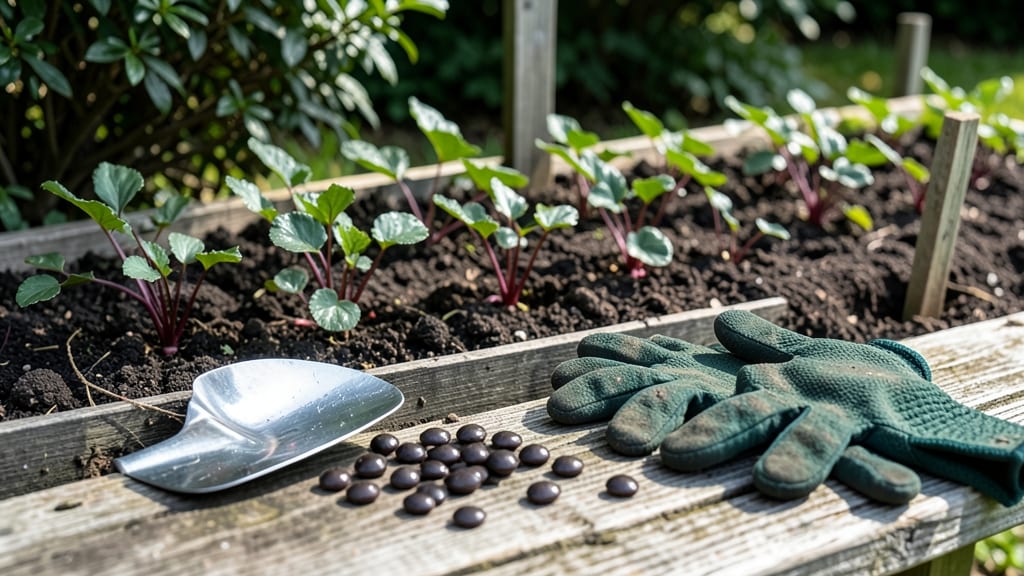
Timing your beet planting in Illinois could make or break your harvest—get it wrong, and you're left with bitter, tough 🍠 that's more like eating a rubber ball than a garden gem.
The key isn't just knowing when to plant, but understanding how Illinois' diverse climate zones (like 5a-6b) create wildly different windows from Chicago's urban heat islands to rural farmland.
Most gardeners in Illinois aim for two harvests: one from early spring plantings (March-April) that yields tender roots by June-July, and another from late summer sowings (July-August) that lasts until October-November.
But here's the catch: your exact county matters more than you think—some areas can plant 2 weeks earlier than others due to microclimates.
I've dug through frost-date data to give you the real deal on when to start seeds indoors (yes, that's often the trick in Illinois' unpredictable springs) and when to direct-sow for maximum success.
We'll cover soil temperature thresholds, spacing secrets, and even how to adjust for urban gardens where pavement holds heat like a furnace.
Ready to grow beets that actually taste good? Let's cut through the guesswork and get you planting with confidence—because in Illinois, your beet's future depends on knowing these critical timing windows before you even pick up your trowel.
Illinois beet planting calendar by county (frost-date guide)
Getting your beets in the ground at the right time in Illinois isn't just about luck—it's about county-specific frost dates and soil temperatures.
Northern Illinois (like Chicago) has a later last frost date (around May 15) compared to Springfield (around April 20) or rural areas like Decatur (around April 10). Planting too early risks bolting or stunted growth, while waiting too long cuts your harvest short.
For two harvests per year, aim for early spring (March-April) and late summer (July-August) plantings. The key is soil temperature—beets need at least 50°F to germinate. Use a soil thermometer to confirm before sowing.
In USDA Zones 5a-6b, this typically aligns with mid-April for most of Illinois, but urban heat islands can shift timelines by 1-2 weeks.
Here’s your county-by-county planting guide, including last frost dates, ideal planting windows, and harvest timelines to maximize your juicy, tender beets all season long.
| Region | Last Frost Date | Spring Planting Window | Summer Planting Window | Harvest Time |
|---|---|---|---|---|
| Northern IL (Chicago) | May 15 | April 15 - May 1 | July 15 - Aug 1 | June - July / Oct - Nov |
| Central IL (Springfield) | April 20 | March 20 - April 10 | July 1 - July 15 | May - June / Sept - Oct |
| Southern IL (Decatur) | April 10 | March 1 - March 20 | June 20 - July 5 | April - May / Aug - Sept |
| Urban Heat Islands (e.g., Peoria) | April 25 | April 1 - April 15 | July 10 - July 25 | May - June / Sept - Oct |
For northern Illinois, like Chicago and the Quad Cities, start seeds indoors 4-6 weeks before your last frost date to give them a head start.
In central Illinois (e.g., Springfield or Peoria), you can direct-sow as early as March 20 if your soil warms quickly. Southern Illinois (e.g., Carbondale or Marion) enjoys the earliest planting windows, often as early as February 20 under row covers.
Pro tip: Use black plastic mulch to warm soil faster in cold springs. This can shave off 1-2 weeks from your planting timeline, especially in Zone 5a areas like Galena or Dixon. Just remove the mulch once seedlings emerge to avoid overheating.
Don’t forget about succession planting! Sow beet seeds every 2 weeks from March to July to ensure a continuous harvest. This works especially well in urban gardens where space is limited but you want fresh beets all season.
Pair this with shade cloth in summer’s peak heat (July-August) to prevent bolting.
For fall harvests, aim to plant 8-10 weeks before your first frost date. In northern Illinois, that’s around July 15, while southern Illinois can extend planting until August 1.
Use cold-hardy varieties like Detroit Dark Red or Golden for fall, as they tolerate light frosts better than others.
Always check your local Cooperative Extension Service for year-specific adjustments. Illinois’ climate shifts yearly—what worked in 2023 might not align with 2024’s frost dates. Bookmark the Midwest Regional Climate Center for real-time updates.
With these county-specific timelines, you’ll avoid the woody, tough beets that plague off-season
How to adjust beet planting for Illinois microclimates (urban vs. rural)
Illinois' dramatic shift from urban heat islands to rural farmland creates microclimates that can push your beet planting window by 2-3 weeks. In Chicago's concrete jungle, pavement stores heat and delays frost—meaning you can plant 10-14 days earlier than in rural McLean County.
Meanwhile, open farmland cools faster, requiring later starts to avoid frost damage.
Your location's soil type also plays a role: Chicago gardens often battle compacted clay, while rural areas deal with sandy loam. Clay holds moisture longer but needs extra compost, while sandy soils dry out faster. I'll show you how to prep each for optimal beet growth.
Here's the key adjustment: Urban gardeners should start seeds indoors by late February (4-6 weeks before last frost), while rural gardeners can wait until mid-March. City dwellers also face wind exposure from tall buildings, which can stress young seedlings.
| Factor | Urban Chicago | Rural Illinois |
|---|---|---|
| Planting Window | Feb 20 - Apr 15 | Mar 10 - Apr 30 |
| Soil Prep | Add 3" compost + gypsum | Add 2" compost + sand |
| Wind Protection | Use windbreaks or containers | Natural barriers suffice |
| Shade Issues | Choose south-facing plots | Full sun available |
| Watering Needs | Daily in summer | Every 2-3 days |
For urban gardeners, prioritize containers or raised beds to improve drainage in compacted soils. My go-to mix is 60% garden soil, 30% compost, and 10% perlite. Add a 1-inch layer of mulch to retain moisture and regulate temperature swings.
Rural gardeners should focus on succession planting every 2 weeks from April through July. The cooler nights in farmland areas mean you can extend your harvest window by 3-4 weeks compared to city gardens. Test soil temperature—beets need 50°F minimum to germinate properly.
Pro tip: Use row covers in early spring for both urban and rural plots. They add 5-8°F warmth, letting you plant 2 weeks earlier without risking frost damage. Just remove covers when beet tops reach 4 inches tall** to prevent bolting.