
Plants
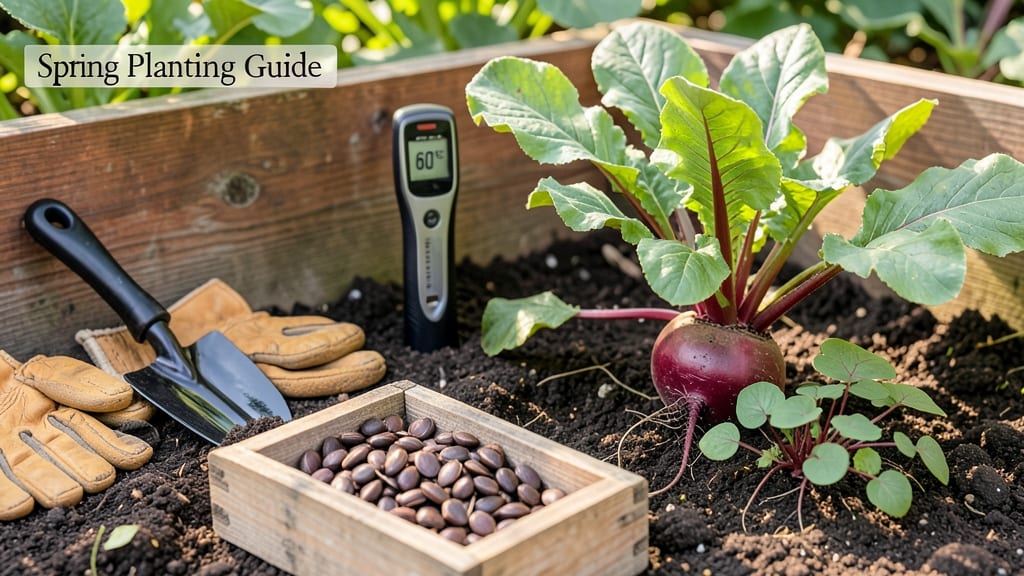
Getting when to plant beets in Zone 5 right means the difference between sweet, tender roots and bitter, bolted greens. The key? Timing your seeds for early spring or late summer—when temperatures and daylight balance perfectly to prevent stress.
In Zone 5, where frosts linger until mid-April and creep back by October, beets thrive in two distinct windows: March-April for spring and August-September for fall. Plant too early, and cold soil stalls growth; too late, and heat triggers bolting before harvest.
Let’s break down the exact moments to sow for foolproof success.
You’ll also discover how to stretch your harvest with succession planting, whether in garden beds or containers. No more wasted seeds or disappointing yields—just reliable, 50-70-day crops that deliver from late summer to frost.
Ready to master beet timing? I’ll walk you through soil temps, frost dates, and regional tweaks so your 🍠 harvest stays sweet all season long.
Optimal spring planting times for beets in Zone 5 to avoid bolting
In Zone 5, timing your beet planting is critical to prevent bolting—the bitter, flowering stage that ruins tender roots. The key window opens when soil temperatures reach 40°F and closes before summer heat triggers early flowering.
For most of Zone 5, this means starting in early March and continuing through mid-April, depending on your exact location.
Northern Zone 5 areas (like Duluth, MN) should wait until late April when frost risks drop below 20%. Southern regions (like St. Louis, MO) can plant as early as mid-March.
Always check your last frost date—planting too early risks frost damage, while waiting too long risks bolting from heat stress.
Beets thrive when soil temperatures stay between 50-70°F. Use a soil thermometer to confirm readiness—if it's consistently above 50°F at 4" depth, it's time to plant. In cooler microclimates, consider black plastic mulch to warm the soil faster and extend your planting window by 1-2 weeks.
For succession planting, sow new seeds every 2 weeks until mid-June. This staggered approach ensures continuous harvests and reduces bolting risk by avoiding a single large batch maturing in summer heat.
Just remember: never plant after June 15 in Zone 5, as the long daylight hours will trigger bolting.
🌱 Zone 5 Beet Planting Timeline
| Stage | Action | Soil Temp | Notes |
|---|---|---|---|
| Early March | Start seeds indoors | 40-50°F | Use heat mat for germination |
| Mid-April | Direct sow outdoors | 50-60°F | After last frost date |
| May-June | Succession plant | 55-65°F | Every 2 weeks |
| July-August | Harvest mature roots | 60-70°F | Avoid summer heat stress |
If you're in a microclimate with slower warming (like a shaded garden), opt for cold-hardy varieties like 'Detroit Dark Red' or 'Golden', which tolerate cooler soils better than bolt-prone types. These varieties also handle light frost after germination, giving you a 2-week buffer for late planting.
For container gardening, use deep pots (at least 12 inches) and plant in late April when soil stays above 55°F. Containers warm up faster, so monitor soil temps closely—if they exceed 75°F, provide afternoon shade to prevent bolting.
Mulch with straw to maintain even moisture and temperature.
Pro tip: Thin seedlings to 3-4 inches apart when they're 2 inches tall. This reduces competition and ensures larger, sweeter roots. Use sharp scissors to avoid disturbing nearby plants. After thinning, water deeply to 1 inch per week—consistent moisture is the #1 factor in preventing bolting.
Remember: Beets are cool-season crops, so their best growth happens when days are short (14 hours of daylight or less). Once summer solstice arrives (around June 21), any new plantings will bolt quickly. Plan your succession schedule to finish all spring plantings by mid-June for zero risk.
Optimal spring planting times for beets in Zone 5 to avoid bolting
In Zone 5, spring beet planting starts the moment soil temperatures hit 45°F—typically late March to early April—but timing varies by region. Northern Zone 5 (e.g., Chicago) waits until mid-April, while southern areas (e.g., St. Louis) can start in late March.
Use a soil thermometer to confirm readiness.
Planting too early risks cold soil stunting growth, while waiting too long triggers heat-induced bolting. Aim for 50-60 days before your last frost date—usually mid-April—to ensure harvest before summer heat sets in.
🌱 Spring Beet Planting Summary
| Stage | Action | Notes |
|---|---|---|
| Soil Temp | 45°F+ | Use thermometer; avoid soggy soil |
| Planting Window | Late March–Early April | Adjust 1-2 weeks north/south |
| Depth | 1 inch | Seeds need darkness to germinate |
| Spacing | 1-2 inches apart | Thin to 3-4 inches at 2 leaves |
For succession planting, sow new seeds every 2 weeks until mid-June. This ensures a continuous harvest through summer. Use shade cloth if planting in late May to protect seedlings from intense sunlight.
Pro tip: Mix beet seeds with radishes (which germinate faster) to mark rows and deter pests. Radishes mature in 30 days, giving you an early harvest while beets bulk up.
Always mulch after thinning to retain moisture and suppress weeds. Organic mulch like straw keeps soil temps stable—critical for preventing bolting during warm spells.
If your spring planting coincides with unpredictable weather, opt for cold-hardy varieties like 'Detroit Dark Red' or 'Golden'. These tolerate cooler soils better than heat-sensitive types.