
Plants
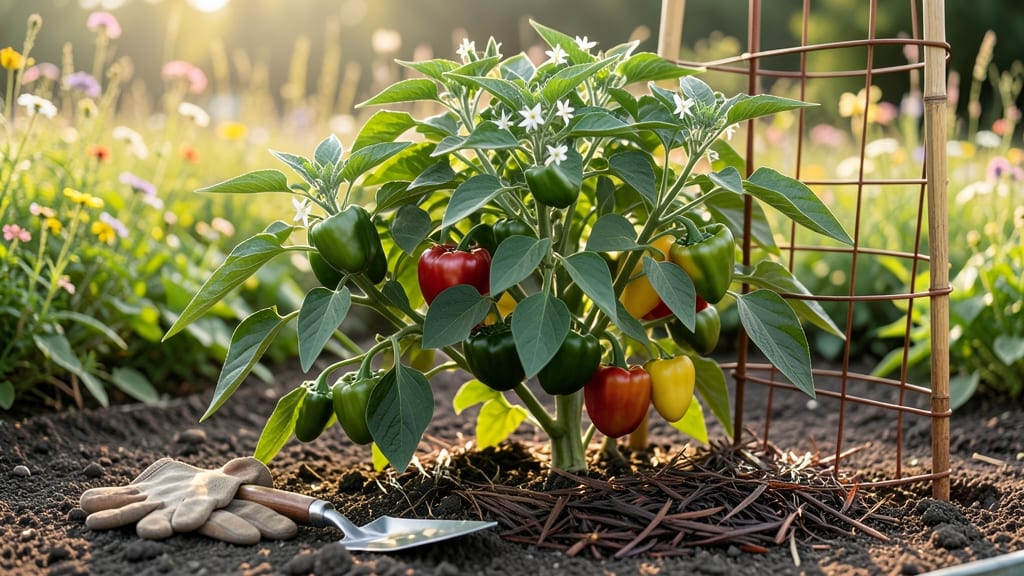
Timing your 🌶️ bell pepper planting in Washington State isn’t just about the calendar—it’s about beating frost, outsmarting heatwaves, and giving your plants the perfect start for a bountiful harvest.
With last frost dates creeping into May and unpredictable weather shifts, even experienced gardeners can lose their crop if they plant too early or too late.
Most of Washington falls in USDA zones 7b-8a, meaning your window to plant 🌶️ bell peppers is tight—typically between late April and early June. But here’s the catch: Western WA’s milder climate gives you a head start, while Eastern WA’s colder nights demand patience.
Miss the mark, and you’ll either face stunted growth from cool soil or bolting peppers from sudden heat.
I’ll break down the exact deadlines for your region, whether you’re starting seeds indoors 8-10 weeks before the last frost or transplanting seedlings once soil hits 60°F.
Plus, I’ll share the top varieties that thrive in WA’s short season—because not all peppers are created equal when it comes to handling our fickle weather.
Ready to turn your garden into a pepper powerhouse? Let’s dive into the zone-specific strategies that’ll have you harvesting 🌶️ bell peppers from July to October—no guesswork, just results.
Washington State planting zones & frost-free deadlines for bell peppers
Washington State’s diverse climate—from the cool coastal regions to the warmer inland valleys—means your bell pepper planting timeline depends heavily on your USDA zone and local microclimate. Most of WA falls in zones 7b-8a, but last frost dates can vary by 2-3 weeks between Seattle and Spokane.
Getting this wrong means risking frost damage or heat stress before peppers mature.
To nail your planting window, start by checking your local last frost date. In Western WA (Seattle, Olympia), the average last frost is mid-April, while Eastern WA (Spokane, Wenatchee) typically sees frost until late April or early May.
Bell peppers are frost-sensitive and need warm soil (60°F+) to thrive, so timing is everything.
Here’s how to calculate your personal zero-frost risk window. First, note that bell peppers need 120-150 days to mature. If your last frost is April 15, count backward: subtract 120 days for early varieties or 150 days for slower growers.
This gives you a planting deadline of mid-December to early February for starting seeds indoors.
For gardeners in Zone 7b (e.g., Yakima, Pullman), aim to transplant seedlings after May 1. In Zone 8a (e.g., Bellingham, Vancouver), you can plant outdoors as early as late April. Always use row covers for an extra 2-3 weeks of protection if frost lingers.
Pro Tip: Use a soil thermometer to confirm soil temps are 60°F+ before planting. Cold soil delays germination and stunts growth. If temps are still below 55°F, wait or use black plastic mulch to warm the soil faster.
🌱
🌱 Washington State Bell Pepper Planting Deadlines by Zone
| Zone | Last Frost Date | Start Seeds Indoors | Transplant Outdoors | Harvest Window |
|---|---|---|---|---|
| 7b (Yakima, Pullman) | April 25 | Feb 15 - Mar 1 | May 10 - May 30 | July 15 - Sept 15 |
| 8a (Bellingham, Vancouver) | April 15 | Jan 15 - Feb 15 | April 20 - May 10 | June 15 - Oct 1 |
| 9a (Walla Walla, Tri-Cities) | March 15 | Dec 15 - Jan 15 | March 20 - April 10 | May 15 - Nov 1 |
💡 Note: Adjust dates 1-2 weeks earlier for sheltered microclimates (e.g., south-facing slopes) or 1-2 weeks later for coastal areas.
If you’re in a coastal zone (e.g., Olympia, Bremerton), expect cooler, wetter springs that delay planting. Use cold frames or greenhouse starts to extend your season.
Inland areas like Wenatchee or Moses Lake can plant earlier due to hotter, drier conditions, but watch for late spring frosts—they’re still possible.
For container gardening, start seeds 4-6 weeks earlier than outdoor dates since pots warm up faster. Place containers in sunny, sheltered spots and use heat mats if soil temps lag behind air temps. Remember, bell peppers in containers dry out faster, so monitor soil moisture closely.
One common mistake? Planting too early in Zone 7b and risking bolt-inducing cold snaps. Bell peppers bolt (flower prematurely) when stressed by cold, leading to bitter, small peppers.
To avoid this, always harden off seedlings for 7-10 days before transplanting and use row covers for the first 2 weeks.
Finally, keep an eye on local weather forecasts in late April. A 50°F night can kill seedlings
How to time bell pepper planting for maximum yield in WA’s climate
Timing your bell pepper planting in Washington State isn’t just about the calendar—it’s about beating the odds of our cool springs and unpredictable heatwaves. Even if you’ve planted successfully before, a 2-week shift in frost dates can turn your 🌶️ harvest into a bust.
The key? Adjusting your planting strategy based on soil temperature, microclimates, and your chosen variety’s maturity.
For Western WA (zones 7b-8a), aim to transplant seedlings after May 1 once nighttime temps stay above 50°F. In Eastern WA (zones 6b-7a), wait until mid-to-late May when soil reaches 60°F—cold soil stunts root growth, leaving your peppers vulnerable to fungal diseases like damping-off.
📋 Step-by-Step Planting Timeline for WA Gardeners
- 🌱 8-10 weeks before last frost: Start seeds indoors under grow lights (70-80°F soil temp). Use seedling heat mats if your home stays cool.
- 🌿 4-6 weeks before transplant: Harden off seedlings by placing them outdoors for 2-3 hours daily, gradually increasing time.
- 📅 2 weeks before last frost: Purchase transplant row covers to extend your season by 2-3 weeks if needed.
- 🌡️ After May 1 (Western WA) or May 15 (Eastern WA): Transplant seedlings 12-18 inches apart in well-draining soil with compost.
- ☀️ June-July: Use black plastic mulch to warm soil and drip irrigation to maintain 1-2 inches of water weekly.
💡 Pro Tip: If your last frost is late, opt for shorter-season varieties (60-70 days to maturity) to avoid fall frost cutting your harvest short.
One of the biggest mistakes WA gardeners make is planting too early. Cool soil below 55°F can cause seedling rot or stunted growth, while hot soil above 90°F stresses roots.
Test your soil with a thermometer—wait until it’s consistently 60°F+ before planting. If your garden runs cool, try raised beds or black plastic mulch to speed up warming.
For gardeners in Puget Sound or Western WA’s coastal regions, you can push the envelope slightly—planting as early as late April under row covers.
But in Eastern WA or high-desert areas, play it safe: wait until June for direct sowing if you missed the transplant window. Heat-loving peppers like ‘Jupiter’ or ‘Carolina Wonder’ thrive in WA’s summer heat but need consistent warmth to set fruit.
Watch for premature flowering—a red flag that your peppers are bolting due to heat stress or short days. If this happens, prune the flowers to redirect energy to root and foliage growth.
In September, protect late-season peppers with frost cloth to extend your harvest into October. With these adjustments, you’ll turn WA’s short growing season into a bell pepper bonanza.