
Plants
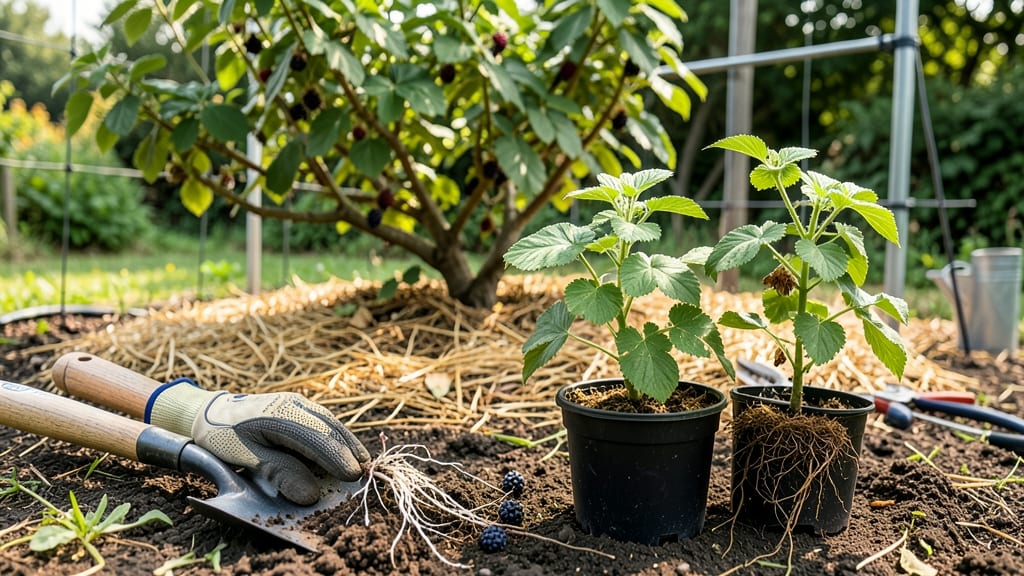
Timing your blackberry planting in Florida isn’t just about picking a season—it’s about matching your variety to the region’s unique chill hours and microclimates. Plant at the wrong time, and you’ll miss out on sweet 🫐 harvests or watch your bushes struggle to fruit.
The key lies in understanding whether you’re in North Florida’s cooler winters or South Florida’s frost-free zones, and how that affects when to get those canes in the ground.
Most Florida gardeners assume blackberries thrive planted in summer, but that’s a common myth that leads to heat-stressed plants and poor yields.
Instead, the best window for planting—whether you’re working with 'Arapaho' or 'Navaho' varieties—is late winter to early spring, when soil temperatures are mild and chill hours have already been satisfied. This timing gives your bushes a head start before Florida’s brutal summer heat sets in.
What you’ll discover in this guide is how to align your planting schedule with Florida’s chill-hour zones, from the 8a regions of North Florida to the frost-free 11 zones of the Keys.
We’ll also cover container growing hacks for urban gardeners and how to extend chill hours for varieties that need more winter chill than Florida naturally provides. No more guesswork—just reliable harvests from April through September.
Ready to turn your Florida backyard into a blackberry powerhouse? Let’s break down the exact planting windows, soil prep tricks, and post-planting care that’ll keep your bushes thriving year after year—without the trial-and-error headaches.
Best planting times for Florida blackberries based on chill-hour requirements
Florida’s warm winters and humid summers create unique challenges for growing blackberries. Unlike northern climates, Florida’s chill-hour requirements (300-500 hours below 45°F) often aren’t met naturally. The key to success? Matching blackberry varieties to your local microclimate and planting at the right time to maximize winter chill exposure.
Most Florida gardeners focus on late winter to early spring planting (January-February) because this aligns with the coolest months when natural chill hours accumulate. However, fall planting (September-October) can also work if you’re using low-chill varieties or extending chill hours artificially.
Here’s the critical rule: Plant when soil temps are below 60°F but above freezing. In Florida’s Zone 8a-11, this typically means January-February for most regions, but North Florida (Zone 8a) can sometimes squeeze in December plantings if winter chill arrives early.
Why timing matters so much? Blackberries need dormant chill hours to break bud dormancy and set fruit. Plant too early (e.g., November in South Florida), and your canes may sprout prematurely during warm spells, weakening growth.
Plant too late (e.g., March in North Florida), and you’ll miss the natural chill window, leading to poor fruit set.
🌱
| Variety Type | Chill-Hour Needs | Best Planting Window | Florida Regions | Notes |
|---|---|---|---|---|
| Southern Highbush | 0-300 hours | Year-round (best Jan-Feb) | All Florida (Zone 8a-11) | No chill needed; everbearing |
| Primocane | 300-500 hours | Jan-Feb (North FL) or Sep-Oct (South FL) | North FL (Zone 8a) or extended chill | Fruit on new canes; needs dormancy |
| Everbearing | 300-400 hours | Jan-Feb (anywhere) | All Florida | Produces fruit twice/year |
| Traditional (e.g., 'Cheyenne') | 500+ hours | Not recommended (unless extended chill) | North FL only (with artificial chill) | Requires dormancy; low yield in FL |
For North Florida (Zone 8a), where winters are cooler, aim for January planting to catch the natural chill window.
In Central and South Florida (Zone 9a-11), where winters rarely drop below 50°F, Southern Highbush varieties (like 'Arapaho') thrive with year-round planting, but January-February still gives the best start.
Pro tip: Use a soil thermometer to confirm temps are below 60°F before planting. Cold soil helps prevent root shock and encourages strong establishment before Florida’s heat arrives. Pair this with mulching (3-4 inches of straw or pine bark) to retain moisture and moderate soil temps.
If you’re in South Florida (Zone 10a-11), where winters are barely cool, focus on low-chill varieties like 'Navaho' or 'Onetta'. These can be planted year-round, but late winter still offers the best balance of soil moisture and minimal pest pressure.
🌿
Remember: Blackberries are perennial, so first-year yields will be minimal. The real payoff comes in years 2-3, when established plants produce pounds of fruit if planted correctly. Don’t rush—take the time to match your variety to your climate and plant at the optimal window.
Best planting times for Florida blackberries based on chill-hour requirements
Florida’s climate presents unique challenges for blackberry growers, especially when it comes to chill-hour requirements. Most blackberry varieties need 300-1,000 chill hours (temperatures between 32°F and 45°F) to produce fruit, but Florida’s mild winters often fall short.
The key is selecting varieties that match your local chill hours and planting them at the right time to maximize success.
In Florida, late winter (January-February) is the ideal window for planting blackberries, as it allows roots to establish before the summer heat arrives. However, some southern highbush varieties (like 'Arapaho') can tolerate Florida’s minimal chill hours, while others may need artificial chill treatments.
Understanding your USDA hardiness zone (8a-11) helps narrow down the best planting strategy.
🌱 Did You Know? Florida’s Northwest region (Panhandle) typically gets 300-500 chill hours, while South Florida (Miami, Key West) often sees 0-100 chill hours. This means traditional blackberry varieties may struggle in the southernmost areas without intervention.
| Variety Type | Chill Hours Needed | Best Planting Window | Florida Adaptability |
|---|---|---|---|
| Southern Highbush | 0-300 | January-February | Excellent (South Florida) |
| Primocane (Everbearing) | 300-500 | Late Winter (Feb-Mar) | Good (North/Central FL) |
| Traditional (Northern) | 500-1,000 | December-January (with chill treatment) | Poor (South FL) |
For North Florida (Zones 8a-9a), where chill hours are slightly higher, planting in December-January gives blackberries a head start before spring warmth arrives. In Central Florida (Zone 9b-10a), aim for January-February to avoid summer heat stress.
Meanwhile, South Florida (Zone 10b-11) growers should focus on southern highbush varieties planted in January and use mulch to retain moisture.
Another critical factor is soil preparation. Florida’s sandy soils drain quickly, so amend with compost or well-rotted manure to improve moisture retention. Plant in a location with full sun (6+ hours daily) and space canes 4-6 feet apart to allow for airflow and reduce disease risk.
After planting, apply a 2-3 inch layer of mulch to protect roots and conserve water.
Timing isn’t just about the calendar—it’s also about moon phases. Many Florida gardeners swear by planting during the waxing moon (when the moon is growing) to encourage root development.
Pair this with consistent watering (deep soaks every 2-3 days) and you’ll set your blackberries up for a productive first year. 🌿