
Plants
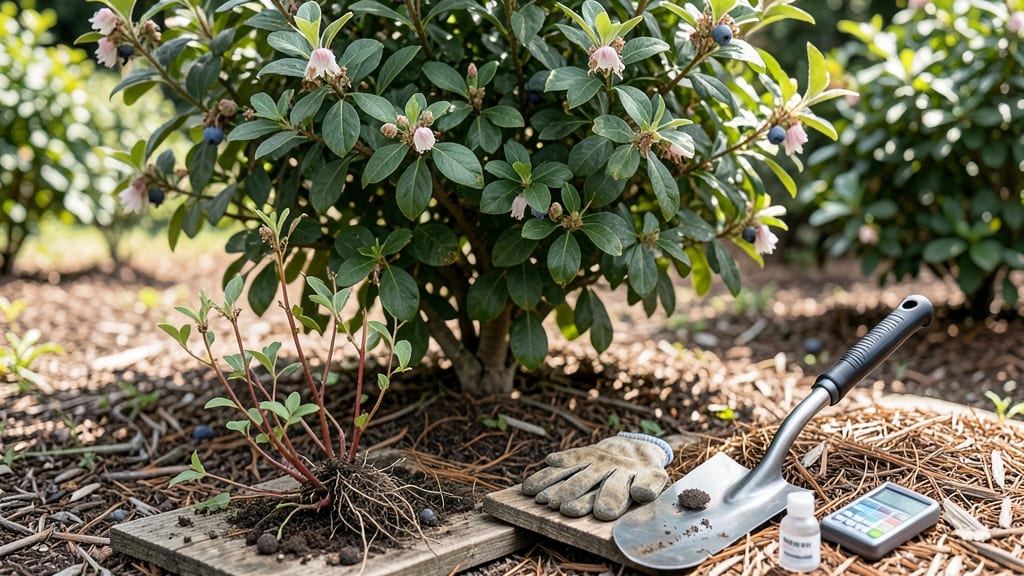
Planting blueberries in Seattle at the wrong time could mean the difference between a bountiful harvest and years of disappointment. With our 8a climate and unpredictable spring frosts, timing is everything—but getting it right unlocks sweet, juicy 🫐 berries every summer.
Most gardeners in Seattle rush to plant too early, only to watch their delicate buds freeze before blooming. The key? Waiting until after the last frost date (March 15) but before summer heat sets in—typically late March to early April.
This window balances soil warmth with cooler air, giving your bushes the best start.
But here’s the catch: not all blueberry varieties thrive on the same schedule. Some need 900+ chill hours to fruit well, while others adapt to Seattle’s milder winters. I’ll break down which types to pick and exactly when to plant them for maximum success—no guesswork involved.
Ready to turn your backyard into a blueberry powerhouse? Let’s dive into the step-by-step planting guide tailored to Seattle’s quirks, from soil prep to variety selection that actually works in our climate.
Best planting months for Seattle blueberries based on chill-hour requirements
Seattle’s 8a climate creates a unique challenge for blueberries—our mild winters often don’t provide enough chill hours for traditional varieties. Most blueberries need 500–900 chill hours (temperatures between 32–45°F) to set fruit, but Seattle typically delivers only 400–600 chill hours annually.
This means choosing the right planting window and variety is everything.
For high-chill varieties (like ‘Bluecrop’), aim to plant in late March to early April—after the last frost (March 15) but before soil temperatures exceed 60°F.
This gives roots time to establish before summer heat stresses them. Low-chill varieties (like ‘Duke’) can handle February planting in warmer microclimates (e.g., Eastside), but West Seattle’s cooler zones still benefit from waiting until late March.
Here’s the golden rule: Plant when soil is workable (50–60°F) and nighttime temperatures stay above 40°F. Use a soil thermometer to check—if it’s colder, wait. Pro tip: Fall planting (September–October) is risky in Seattle due to early frosts, but it works in sheltered microclimates with mulch protection.
🌱 Seattle Blueberry Planting Timeline by Chill Needs
| Chill-Hour Range | Best Planting Window | Soil Temp Requirement | Seattle Microclimate Notes |
|---|---|---|---|
| 900+ hours | Late March–Early April | 50–60°F | West Seattle, cooler zones |
| 500–700 hours | February–March | 45–55°F | Eastside, urban heat islands |
| 300–500 hours | February (sheltered spots) | 40–50°F | Containers, greenhouses |
💡 Pro Tip: Test your microclimate’s chill hours using a home weather station—Seattle’s urban areas can vary by 100+ chill hours from rural zones.
Seattle’s Eastside vs. West Seattle divide matters more than you’d think. The Eastside (Kenmore, Bellevue) often gets 100+ extra chill hours due to cooler nights, making it safer for February planting of high-chill varieties.
Meanwhile, West Seattle (Ballard, Vashon) may need to wait until mid-April to avoid frost damage. Check local frost maps from the UW Extension for real-time updates.
Another critical factor is soil temperature. Cold soil slows root growth, so avoid planting when ground temps dip below 45°F. Use a soil thermometer to monitor—if it’s too cold, delay planting by 1–2 weeks.
In containers, roots warm up faster, so you can plant 2–3 weeks earlier than in-ground bushes.
If you’re planting in containers, aim for late February to early March—they warm up quicker and can handle slightly cooler soil. Just ensure your pots have drainage holes and use a lightweight, acidic potting mix (pH 4.5–5.5).
For in-ground planting, stick to late March to align with Seattle’s last frost average.
Don’t forget: Bareroot vs. container-grown plants have different timelines. Bareroot bushes (cheaper, dormant) need to be planted immediately upon arrival—waiting even 1–2 weeks can dry out roots. Container-grown plants are more flexible but may need staking if planted late in the season.
For fall planting (a gamble in Seattle), only attempt it in sheltered microclimates with heavy mulch (6+ inches). Plant in September, water deeply, and cover with straw mulch to insulate roots.
This gives plants a head start before winter dormancy, but it’s risky unless you’re in a frost-free zone.
Finally, pair your planting window with pruning timing. If you plant in spring, prune after flowering (June–July) to encourage new growth. For fall-planted bushes, prune lightly in early spring to avoid stressing new roots. Never prune in winter—it exposes cuts to frost damage.
Best planting months for Seattle blueberries based on chill-hour requirements
Seattle’s 8a climate and 900–1,200 chill hours create a unique window for planting blueberries. Most gardeners here plant in late March to early April, but the best time depends on your variety’s chill needs.
High-chill varieties (like ‘Bluecrop’) need those extra cold hours, while low-chill types (like ‘Duke’) can handle milder winters.
The soil temperature threshold is another critical factor—wait until the ground warms to 45°F (7°C) at 4 inches deep. In Seattle, this usually happens around mid-April, but the Eastside often warms earlier than West Seattle.
Test your soil with a thermometer or plant after the last frost date (March 15) to avoid frost damage.
| Planting Window | Chill-Hour Needs | Soil Temp Threshold | Seattle Microclimate |
|---|---|---|---|
| Late March | 900+ hours | 40–45°F (4–7°C) | Eastside (warmer) |
| Early April | 600–900 hours | 45–50°F (7–10°C) | West Seattle (cooler) |
| Mid-April | 300–600 hours | 50°F+ (10°C+) | Urban areas (heat islands) |
*Adjust for frost risk—check NOAA’s Seattle forecast.
Fall planting is also an option in Seattle, but it’s riskier due to winter rains and potential frost heave. If you choose fall, plant 6–8 weeks before the first frost (by early November) and mulch heavily to protect roots.
This method works best for container-grown blueberries, which establish roots faster in cooler soil.
For container planting, timing is even more flexible—just ensure pots are in place by late April to avoid root stress. Containers warm up faster than in-ground soil, so you can plant 2–3 weeks earlier than traditional beds.
Just use acidic potting mix (pH 4.5–5.5) and larger pots (15+ gallons) for stability.
Pro tip: Acclimate bare-root plants for 1–2 weeks before planting by soaking roots in water. This reduces transplant shock, especially critical in Seattle’s cool, damp springs. Water deeply after planting to settle soil and remove any air pockets around roots.
Remember, blueberries hate soggy soil—Seattle’s rainy springs mean you’ll need to raise beds or amend clay soil with compost and pine fines. Amend soil with sulfur or peat moss to maintain the acidic pH they crave, and mulch with pine needles or wood chips to keep roots cool.